
Győr-Moson-Sopron
Accommodation in Győr-Moson-Sopron
Between reed beds and lakeshores, protected hills and important cultural sites, Győr-Moson-Sopron offers a range of travel experiences.
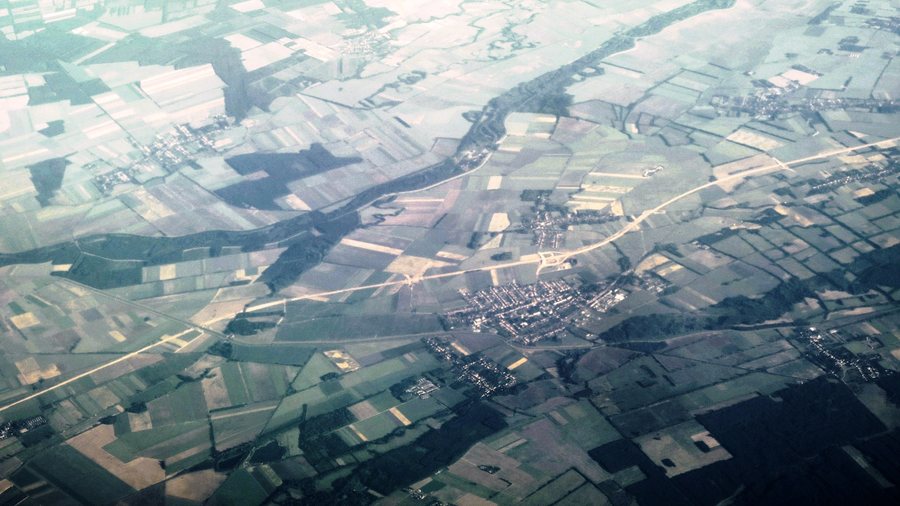 Györ-Moson-Sopron district Répcelak city E65 highway Rába river from north
Photo: Bjoertvedt via Source, CC BY-SA 4.0
Györ-Moson-Sopron district Répcelak city E65 highway Rába river from north
Photo: Bjoertvedt via Source, CC BY-SA 4.0
Key facts about Győr-Moson-Sopron
The Fertő/Neusiedler See cultural landscape brings together Eurasia’s westernmost steppe lake with wetlands, saline soils, reed beds and lakeshores. Lake Neusiedl forms the core of Fertő-Hanság National Park; its Hungarian section has been protected since 1977. In Pannonhalma, the Benedictine Archabbey, founded in 996, and its natural surroundings form part of the World Heritage property. Another notable cultural destination is Esterházy Palace in Fertőd.
Which landscapes define the region?
Several landscape features meet at Lake Neusiedl: wetlands and reed beds are part of the cultural landscape, along with saline soils and lakeshores. This diversity shapes the character of the landscape, which is also known as the Fertő/Neusiedler See cultural landscape. The lake is not only a focal point of the landscape but also the core of Fertő-Hanság National Park. On the Hungarian side, protected status has been in effect since 1977.
A different natural area is encompassed by the Pannonhalmi Landscape Protection Area. It covers 8,272 hectares. Its two main areas are the Pannonhalma Hills and the calcareous sand steppes of the Kisalföld. The hills, in turn, consist of three roughly parallel ridges: Szemere, Csanak and Pannonhalma. When comparing natural areas, you will find both the lake and reed landscape as well as hills and calcareous sand steppes as distinct features here.
Which cultural sites are worth including in your travel plans?
Pannonhalma Archabbey combines a long history with a diverse World Heritage property. The Benedictine monastery was founded in 996. The World Heritage property of the Archabbey and its natural surroundings includes the monastery complex, basilica and educational buildings, as well as the Chapel of Our Lady and the Millennium Chapel. Botanical and herb gardens are also part of the property. These features give the site more than one cultural focus.
Esterházy Palace in Fertőd is an outstanding example of Hungarian Baroque-Rococo palace architecture. Joseph Haydn’s life and work are also connected with Eszterháza: Esterházy Miklós hired him there in 1761. Haydn lived and worked there—alongside Kismarton—until shortly before his death. Palace architecture and music history offer different points of interest for a cultural trip.
The Fertő-táj cultural landscape was granted UNESCO World Heritage status on December 13, 2001. Together with the World Heritage property in Pannonhalma, it shows that the region’s cultural attractions are not limited to individual buildings: the landscape itself is also part of the UNESCO designation.
Which experiences suit your interests?
At Lake Neusiedl, you can explore the landscape from the water on an electric boat trip. The trip passes through reed channels and bays on the western side of the lake. Along the way, you can spot aquatic wildlife, reed warblers, great egrets, purple herons and various ducks. This is one specific way to make nature and birdwatching the focus of an outing.
If you would rather include a viewpoint, Várhely offers views northeast toward Sopron, Sopron-Bánfalva, Bécsi-domb, Lake Neusiedl and the Mosoni Plain. These different experiences can help with your travel planning: you can choose wildlife watching from a boat, a viewpoint or cultural sites such as Pannonhalma and Fertőd as separate priorities, without combining them into a single outing.
How do you choose a suitable base?
The places you visit and your interests can help determine your choice of accommodation. If Pannonhalma Archabbey is a priority, scheduled buses run daily from the bus station in Győr to the Archabbey’s main entrance. This is a specific travel option for visiting the monastery. If your trip is more focused on the landscape around Lake Neusiedl or the palace in Fertőd, consider these destinations as separate parts of your itinerary. The right accommodation therefore depends primarily on which places and experiences matter to you on your trip.
To compare other subregions, see Kapuvár-Beled, Győr, Mosonmagyaróvár, Csorna, Sopron–Fertőd, Tét, Pannonhalma and Rajka.
FAQ
Since when has the Hungarian part of Lake Neusiedl been protected?
The Hungarian part of Lake Neusiedl has been protected since 1977.
How can you reach the main entrance of Pannonhalma Archabbey by bus?
Scheduled buses run daily from the bus station in Győr to the Archabbey’s main entrance.
What can you see on an electric boat trip at Lake Neusiedl?
You can see aquatic wildlife, reed warblers, great egrets, purple herons and various ducks. The trip explores reed channels and bays on the western side of the lake.
For the broader travel overview: Hungary.

