
Discover Rajka
Accommodation in Rajka
Rajka brings together a local folk-dance tradition, the history of the Liszt family and water tours. The construction history of the Rajka lock adds a distinctive note.
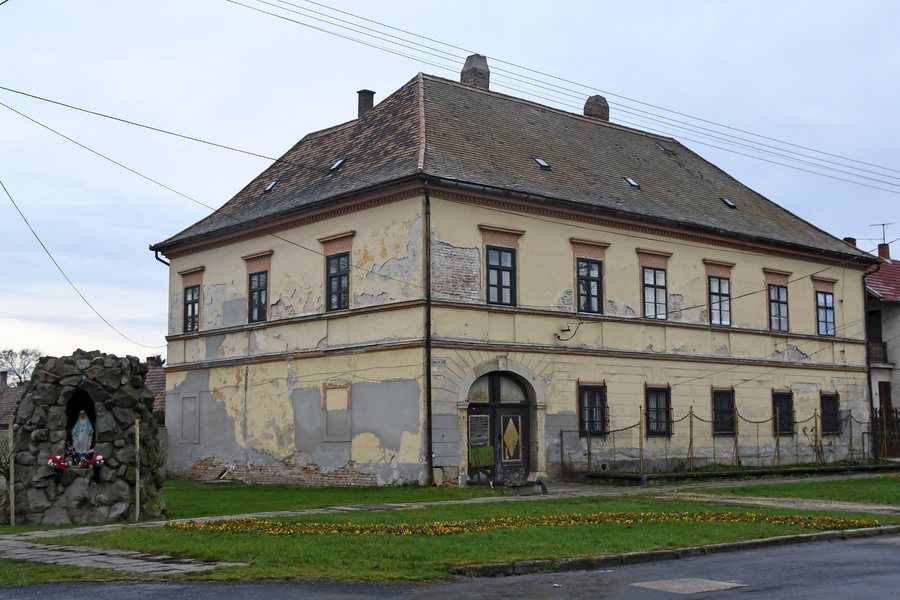 File:Rajka, Dózsa György utcai épület 2021 01.jpg
Photo: Pasztilla aka Attila Terbócs via Wikimedia Commons, CC BY-SA 4.0
Rajka at a glance
- Liszt Ádám, Franz Liszt’s grandfather, was born in Rajka and lived there until he was 20.
- The Ragendorf Német Nemzetiségi Táncegyüttes aims to preserve, pass on and showcase minority traditions, songs and dances.
- The Rajka lock, at the upper end of the Mosoni-Duna, was built between 1905 and 1908.
- Rajka is considered a popular starting point for water tours.
What cultural history shapes Rajka?
Through Liszt Ádám, Rajka is directly connected to Franz Liszt’s family history: Ádám was his grandfather, was born in Rajka and lived there until he was 20. This biographical connection gives the town a tangible link to music history without requiring a lengthy biography of the composer.
The folk-dance tradition also offers a distinct way to explore the town’s history. For decades, an active folk-dance group operated in Rajka, with a few interruptions. The Ragendorf Német Nemzetiségi Táncegyüttes states its aim as preserving, passing on and showcasing living minority traditions, songs and dances.
What do the lock and water tours tell us about Rajka?
The Rajka lock is located at the upper end of the Mosoni-Duna and was built between 1905 and 1908. Its construction dates make it a clearly datable example of local water-engineering history. Water tours offer a more experiential perspective on the theme of water: Rajka is considered a popular starting point for them. For specific plans, it is a good idea to check the latest tour dates.
Cultural history and water are two different ways to connect with a stay in Rajka: the links to Liszt Ádám and the folk-dance tradition turn the focus to people and inherited culture, while the lock and water tours highlight the river and how it is used. Which aspect interests you most can also help focus your search for accommodation in Rajka.
What other themes does the Győr-Moson-Sopron travel destination offer?
Beyond Rajka, the wider Győr-Moson-Sopron travel destination encompasses other distinct cultural and landscape themes. The Benedictine Abbey in Pannonhalma was founded in 996. In addition to the abbey complex, the World Heritage property of the Archabbey and its natural surroundings includes the basilica, educational buildings, the Chapel of Our Lady, the Millennium Chapel, and botanical and herb gardens. These details describe Pannonhalma within the wider travel destination, not Rajka.
Another regional focus is the Fertő-táj cultural landscape, which received UNESCO World Heritage status on 13 December 2001. It encompasses Eurasia’s westernmost steppe lake, as well as wetlands, saline soils, reed beds and lakeshore areas. Lake Neusiedl forms the core of Fertő-Hanság National Park; the Hungarian part of the lake has been protected since 1977. World Heritage status and protected status are distinct designations with different dates.
The protected landscape areas also demonstrate the region’s variety: Pannonhalmi Tájvédelmi Körzet covers 8,272 hectares and has two focal areas, the Pannonhalma Hills and the limestone sand steppes of Kisalföld. The hills consist of three roughly parallel ridges: Szemere, Csanak and Pannonhalma. For a different way to experience the region’s waters, an electric-boat trip on Lake Neusiedl offers views of reed channels and bays on the western side. Among the birds that can be spotted are reed warblers, great egrets, purple herons and various ducks; check current dates and booking conditions when planning.
FAQ
Who was Liszt Ádám?
Liszt Ádám was Franz Liszt’s grandfather. He was born in Rajka and lived there until he was 20.
What is the Ragendorf Német Nemzetiségi Táncegyüttes dedicated to?
The ensemble aims to preserve, pass on and showcase minority traditions, songs and dances.
When was the Rajka lock built?
The Rajka vízbeeresztő zsilip, at the upper end of the Mosoni-Duna, was built between 1905 and 1908.
What should you bear in mind when planning a water tour?
Rajka is considered a popular starting point for water tours. Check the latest tour dates before making specific plans.
Go to the main travel overview: Győr-Moson-Sopron.

