
Discover Hajdú-Bihar: the Puszta, herding culture and spa experiences
Accommodation in Hajdú-Bihar
Hajdú-Bihar brings together the Puszta landscape and herding culture with nature experiences, museums and the thermal attractions of Hajdúszoboszló.
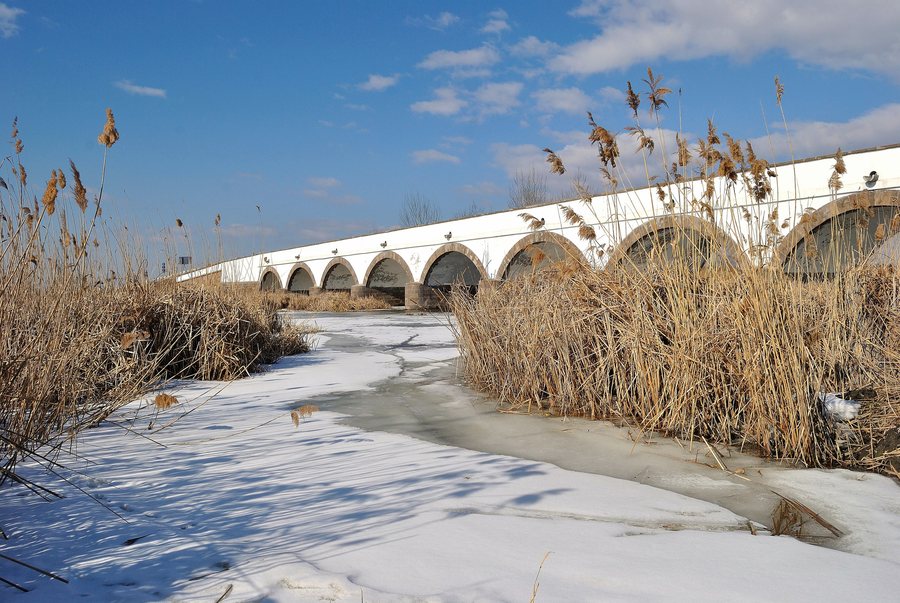
Hajdú-Bihar at a glance
- The Hortobágyi Nemzeti Park – the Puszta World Heritage site covers nearly 75,000 hectares in the Great Hungarian Plain in eastern Hungary.
- Hungarospa in Hajdúszoboszló is open year-round from 7 a.m. to 7 p.m. and has three indoor thermal pools and four outdoor pools.
- At the Hortobágyi-halastó nature trail, you can choose a walk of 3.6, 5.4 or 10 kilometres; there are no difficult sections.
- Activities range from a roughly 90-minute carriage ride to museums about herding life, crafts and regional history.
What makes the Puszta landscape special?
The Puszta is a cultural landscape with visible evidence of more than 2,000 years of traditional pastoralism. The Hortobágyi-halastó pond system can also be explored from different perspectives: it is a Ramsar site, an Important Bird Area, part of a World Heritage site and a Natura 2000 site. The nature trail has three route options, depending on how much time you plan to spend walking.
The Nature of Hortobágy exhibition at the visitor centre introduces the landscape’s diverse flora and fauna. The Hortobágyi Wild Animal Park, meanwhile, showcases the native wildlife of the Hungarian Puszta, including wolves, Przewalski’s horses, vultures and pelicans. A bookable guided Land Rover safari takes you to see wild horses and aurochs. If you prefer to explore on foot, the section of the Alföldi Kéktúra in Hajdú-Bihar is another hiking option; it can also be cycled.
Which experiences can you compare?
A roughly 90-minute carriage ride through the Hortobágyi Puszta introduces the landscape’s natural and cultural heritage, as well as its herding traditions. For a different perspective on wildlife, the crane migration is a popular event throughout Hortobágy. Around 1,500 visitors watch the birds at their feeding grounds during the day and at their roosts at sunset; the approximate number of visitors may vary by season. Check the current carriage-ride times and safari booking conditions before making plans.
Hungarospa in Hajdúszoboszló offers a different focus. Its certified medicinal water makes medically supervised treatments supported by health insurance available. The indoor and outdoor pools also set the bathing complex apart from an outing focused primarily on the landscape and wildlife watching. Operating details may change; check the information before your visit.
The visitor centre also has an exhibition about cranes: The World of Cranes combines a diorama and tactile objects with quiz questions, a magnetic puzzle and a digital drawing board. Its hands-on learning and entertainment are designed for all age groups.
Where can you experience herding life and regional history?
The Shepherds’ Museum presents the everyday lives of herders through handmade clothing, tools and decorated personal items. It is housed in a former coach house that was part of the Hortobágyi Csárda complex. The nearby Hortobágyi Csárda exhibition also connects the history of the building and everyday life: it covers the history of the inn, transport across the Puszta and famous guests; historical costumes to try on and a photo spot are also available.
The Körszín exhibition focuses on traditionally furnished workshops. These include saddlery, pottery, shoemaking, blacksmithing, hatmaking, gingerbread making and wagon building. For visitors interested in individual life stories, Álmosd has a permanent exhibition in its 100-square-metre village museum. It covers archaeological periods, local history and traditional peasant culture. The former home of Ferenc Kölcsey houses an exhibition about the poet; he spent his childhood and part of his adult life there.
Other cultural highlights include the Hajdúsági Museum in the former seat of Hajdú County in Hajdúböszörmény and the Veres Péter Memorial House in Balmazújváros. The museum preserves the region’s history. The memorial house exhibition explores the living conditions of the poor peasant population in the late 1930s and early 1940s, as well as Veres Péter’s experiences in the house. Semsey Castle houses the Semsey Andor Museum and a Tourinform office.
What role do cycling routes and seasonal activities play?
For a longer bike ride, you can take a circular route from Debrecen through places such as Hajdúhadház, Hajdúböszörmény, Balmazújváros, Hajdúszoboszló, Berettyóújfalu and Létavértes before returning to Debrecen. This is a different way to explore from the trails at Hortobágyi-halastó: there, you choose one of three marked distances, while the circular route connects several towns. The Zsuzsi Forest Railway runs seasonally to Hármashegyi Rest Forest, a popular excursion destination, with other tourist attractions nearby. It was originally built in 1882 to transport timber from the Gúth Forests near Debrecen. Check the seasonal timetable before travelling.
For regional orientation, find pages here on the subregions of Debrecen, Berettyóújfalu, Derecske-Létavértes, Balmazújváros, Püspökladány, Hajdúszoboszló, Hajdúböszörmény, Hajdúhadház and Polgár.
FAQ
What walks are available at Hortobágyi-halastó?
The nature trail offers routes of 3.6, 5.4 or 10 kilometres. The paths have no difficult sections.
What does Hungarospa in Hajdúszoboszló offer?
The complex is open year-round from 7 a.m. to 7 p.m. and has three indoor thermal pools and four outdoor pools. Its certified medicinal water makes medically supervised treatments supported by health insurance available. Check the current operating information before your visit.
Do you need to book a visit to the Mihalkó House in advance?
Yes. The hatmaking house in Balmazújváros is accessible by prior arrangement. There, you can learn about the family tradition of hatmaking, which dates back to the 1800s, and see an exhibition of hats and other folk-art objects. Confirm the arrangements again before your trip.
What options are there for a cycling tour?
The section of the Alföldi Kéktúra in Hajdú-Bihar can be walked or cycled. Another option is a circular route from Debrecen through several towns in the county and back to Debrecen.
For the broader travel overview: Hungary.

