
Hortobágy: Hotels and Puszta Experiences
Accommodation in Hortobágy
Hortobágy is closely associated with the Puszta. The village’s nine-arch bridge, herder museum and Hortobágyi Csárda each represent a different aspect of this cultural landscape. If you choose a hotel for nature and cultural visits, check its actual location in relation to your planned destinations and the current visitor programmes.
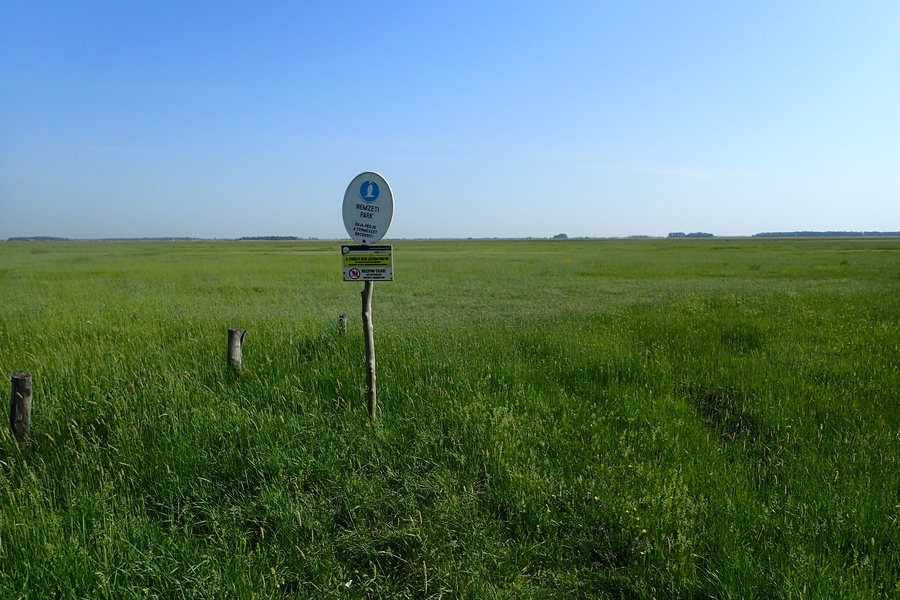
Hortobágy at a glance
- The Kilenclyukú híd was built between 1827 and 1833 and is 167.3 metres long.
- The Pásztormúzeum displays historical memorabilia in a former carriage shelter.
- The grounds of the Mátai Ménes are open year-round free of charge.
- The targeted breeding of the Nonius horse breed began in Máta in the 1880s.
- The Hortobágyi Csárda combines traditional herders’ cuisine with an exhibition about its own history.
The bridge and herder history
The neoclassical Kilenclyukú híd replaced an older wooden bridge. It was built between 1827 and 1833 to plans by Ferenc Povolny. At 167.3 metres long, it is a prominent landmark in the village. These details refer to the bridge itself, not to a walking route with guaranteed accessibility or to a specific viewpoint.
The Pásztormúzeum occupies a former carriage shelter and displays historical objects from herders’ lives. In the Hortobágyi Csárda, the history of the inn, its travellers and former visitors to the Puszta is presented in former guest rooms. These are two separate exhibitions. If you plan to visit both, check current opening hours, admission and routes.
Horses and landscape
The grounds of the Mátai Ménes are open year-round free of charge. In the late 19th century, Máta became a centre for Nonius horse breeding and pasture farming. Free access to the grounds does not mean that guided tours are free or that riding programmes take place at any time. For special offers, check the operator’s latest information.
The Hortobágyi Vadaspark has observation towers offering views across the landscape. Visibility, wildlife sightings and access to particular areas depend on conditions on the day and opening hours. If you are travelling for the Puszta, be sure to distinguish between freely accessible grounds, the museum, the wildlife park and booked programmes.
Dining and accommodation
The Hortobágyi Csárda serves traditional herders’ cuisine using ingredients from the Puszta, including Hungarian Grey cattle, Racka sheep, guinea fowl, Mangalica pork and fish. Hungarian pálinka and wine are also described. The menu may change; check allergies, prices and table availability directly. The cuisine complements the historical and landscape attractions but is no substitute for a visit plan.
When choosing a hotel, compare a specific accommodation address with the bridge, Mátai Ménes and your booked activities. The facts about the village do not establish room amenities or availability. Accommodation in the village is most suitable when the routes and times of day fit your plans.
For regional orientation: Balmazújváros.

