
Derecske: Churches, Squares and Memorial Sites
Accommodation in Derecske
Churches, a landscaped main square and several memorial sites give Derecske a distinctly historical character. Here you can find information about the town’s buildings and places of remembrance—and a clearly separate look at topics in the wider Hajdú-Bihar destination.
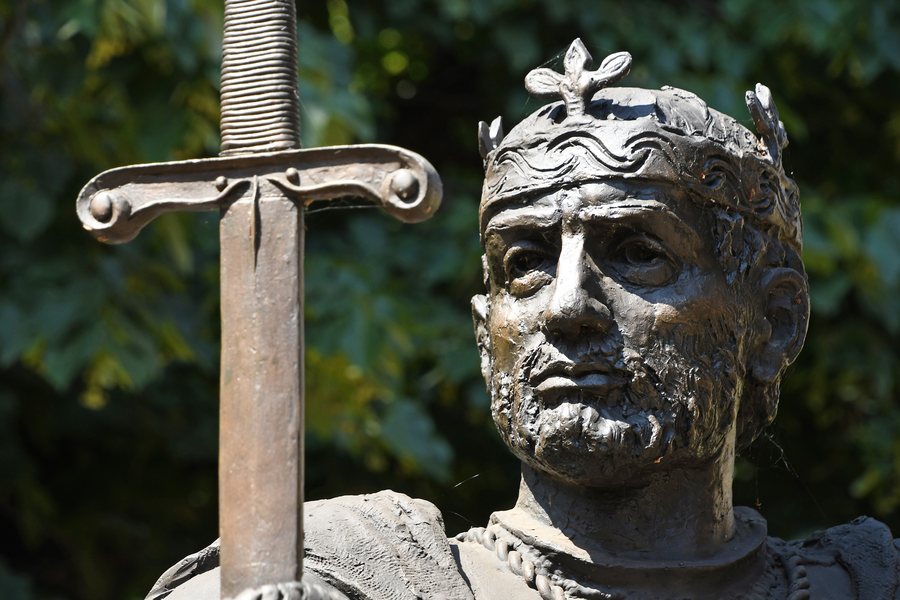 File:Derecske, Szent István-szobor 2021 03.jpg
Photo: Pasztilla aka Attila Terbócs via Wikimedia Commons, CC BY-SA 4.0
File:Derecske, Szent István-szobor 2021 03.jpg
Photo: Pasztilla aka Attila Terbócs via Wikimedia Commons, CC BY-SA 4.0
Derecske at a glance
The townscape is shaped above all by the Reformed Church: construction began after 1843, and it was completed by 1845 to plans by the Debrecen master builder Ferenc Poholni. The church is described as Classicist in style; its construction is early Neo-Baroque. Its square once served as a marketplace. Derecske’s second church, a Baroque Roman Catholic church, dates from 1742. The memorial sites also recount different chapters of local history, from the 1848–49 War of Independence to the world wars and the Holocaust.
What shapes the main square and the churches?
The landscaped main square surrounds the Reformed Church and connects the religious architectural history with the development of the town’s public spaces. The church is oriented along an east–west axis. Its construction after 1843 and completion by 1845 provide a timeframe; the architect of the plans, Debrecen master builder Ferenc Poholni, is also known. The descriptions “Classicist” and “early Neo-Baroque” refer to different aspects of its architecture.
The Roman Catholic church is another prominent landmark: the Baroque church was built in 1742, as was the parish house. A full-length statue of Saint Stephen, King of Hungary, stands between the two churches. The churches, the square’s historic market activity and the statue together form a focal point for anyone interested in religious architecture and local history.
The main square’s character is also shaped by the town hall, expanded in 1927; the primary school’s main building, built in 1930; and a multi-storey school building that was already there in the 19th century. These buildings represent different phases of architectural history around the same square. A work by sculptor Márta Lesenyei stands in a square in front of the secondary school.
Which memorial sites tell the story of Derecske?
The memorial sites mark distinct moments in time. A monument erected in 1898 with public donations commemorates the Hungarian War of Independence of 1848–49. A statue made in 1925 is dedicated to those who fell in the First World War. In 1994, a monument commemorating the victims of the Second World War was unveiled in the main square. Together, these works show different forms of public remembrance, without belonging to a single era.
A memorial plaque for the Holocaust victims from Derecske is affixed to the wall of the former synagogue, which now houses a doctor’s office. This site adds another perspective on remembrance to the monuments in the squares. The buildings and memorial sites mentioned here therefore provide a factual basis for understanding Derecske through its architecture and history.
What else does the wider Hajdú-Bihar destination offer?
If you include the wider Hajdú-Bihar destination in your travel plans, you can explore other topics alongside Derecske’s local history. The Hortobágy National Park – the Puszta World Heritage site covers nearly 75,000 hectares in the Great Hungarian Plain. As a cultural landscape, it preserves visible evidence of more than 2,000 years of traditional pastoralism. This is a different focus from Derecske’s churches and memorial sites, and is explicitly regional context—not a description of the town.
In the wider Hajdú-Bihar destination, the Hortobágyi-halastó nature trail offers routes of 3.6, 5.4 or 10 kilometres with no difficult sections. The different lengths give you a specific way to compare the distance planned for your walk. Also in the region, Hortobágy Wildlife Park offers a bookable Land Rover safari with an expert guide to see Przewalski’s horses and aurochs; check the booking conditions before making plans. This makes landscapes and wildlife observation additional interests alongside Derecske’s architectural and historical focus.
You can also explore pages about Mikepércs, Hosszúpályi and Hajdúbagos to compare other destinations.
FAQ
Which churches shape Derecske?
The townscape is shaped by the Reformed Church, which was completed by 1845. The Baroque Roman Catholic church dates from 1742; its parish house was built at the same time.
What is on the main square?
The landscaped main square surrounds the Reformed Church. It is also home to the expanded town hall, school buildings and a monument unveiled in 1994 to commemorate the victims of the Second World War.
Which memorial sites are there in Derecske?
The sites mentioned include a monument to the 1848–49 War of Independence, a statue dedicated to those who fell in the First World War, and a memorial plaque for the Holocaust victims from Derecske.
What nature experiences are available in the wider Hajdú-Bihar destination?
In the wider Hajdú-Bihar destination, the Hortobágyi-halastó nature trail offers several route lengths, and Hortobágy Wildlife Park offers a bookable Land Rover safari. These are regional attractions, not features of Derecske.
For the wider travel overview: Derecske-Létavértesi.

