
Hajdúböszörmény: History, Town Hall and Tájházak
Accommodation in Hajdúböszörmény
Hajdúböszörmény offers a glimpse into its history through a former administrative building, a town hall dating from 1907 and five historic houses of the Great Hungarian Plain. Administrative history, architecture and rural building traditions provide different ways to get to know the city.
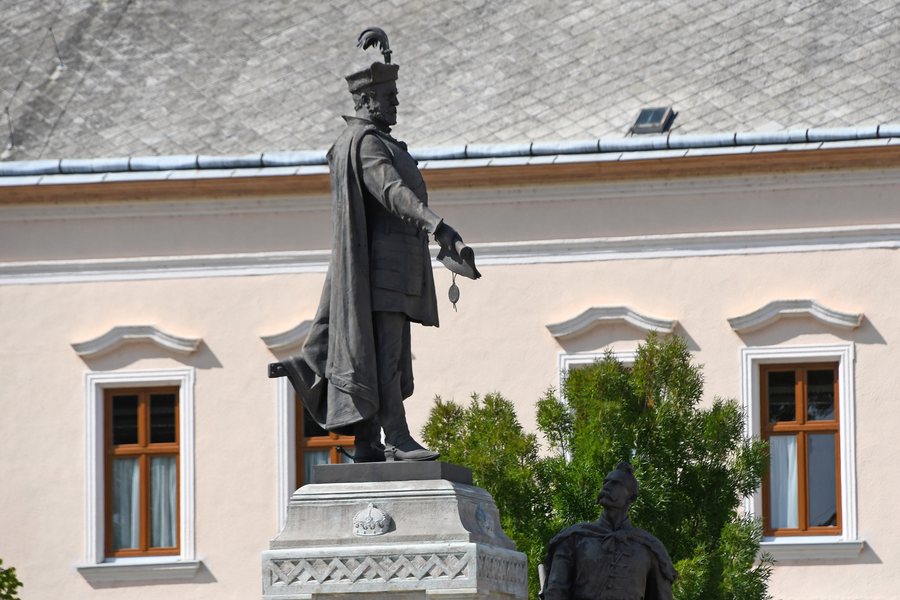 File:Hajdúböszörmény, Bocskai István-szobor 2021 01.jpg
Photo: Pasztilla aka Attila Terbócs via Wikimedia Commons, CC BY-SA 4.0
Hajdúböszörmény at a glance
Hajdúböszörmény is the largest settlement in the Hajdúság region. Notable historic sites include the former Hajdúkerületi székház, the town hall and the Hajdúböszörményi Tájházak. The Zelemér church ruins lie on the outskirts of the city. The Hajdúsági Múzeum and the municipal court are housed in the former seat of the Hajdúkerület; the museum is located on the main square.
Which buildings tell the story of the city?
The Hajdúkerületi székház represents the development of administrative independence and the history of autonomy. It links a specific building to an important chapter in the city's history. The former building houses the Hajdúsági Múzeum, founded in 1929, and the municipal court. If you are planning a museum visit, check the current visitor information before your trip.
The town hall also tells a story of architecture: built in 1907 to designs by Károly Dobay, it is in the Late Eclectic style and follows the formal traditions of the former county hall. Seeing it brings a named architectural style together with a specific model. Together, the town hall and the former administrative headquarters offer two different perspectives on the history of municipal and regional independence.
What do the Tájházak and the Népi Hajdúház show?
The Hajdúböszörményi Tájházak are a group of five houses from the Great Hungarian Plain. They were built between the late 18th century and the middle of the 19th century. The houses offer a different scale of historic architecture from the town hall: rather than a representative public building, the focus here is on a group of older houses.
The Népi Hajdúház adds to this theme with a permanent exhibition and workshops for visitors. This means that, alongside building traditions, exhibitions and workshops may also be of interest when planning your trip. The Tájházak and the Népi Hajdúház are distinct points of interest; the exhibitions and workshops mentioned are offered at the Népi Hajdúház.
What other perspectives does the region offer?
The romantic Zelemér church ruins lie on the outskirts of Hajdúböszörmény and are a popular excursion destination. They provide another historic landmark, but differ from the buildings in the city centre in being ruins. If you would like to compare other destinations: Hajdúnánás.
Hajdú-Bihar offers another perspective shaped by its landscape: the Hortobágyi Nemzeti Park – the Puszta World Heritage Site covers nearly 75,000 hectares of the Great Hungarian Plain in eastern Hungary. The cultural landscape preserves visible traces of more than 2,000 years of traditional pastoralism. The Hortobágyi-halastó nature trail offers walks of 3.6, 5.4 or 10 kilometres, with no difficult sections. These regional landscape and trail details complement the cultural and historical view of Hajdúböszörmény with a distinct focus on nature and landscapes in Hajdú-Bihar.
FAQ
What does the Hajdúkerületi székház symbolise?
It represents the development of administrative independence and the history of autonomy.
When do the Hajdúböszörményi Tájházak date from?
The ensemble comprises five houses from the Great Hungarian Plain, built between the late 18th century and the middle of the 19th century.
What does the Népi Hajdúház offer?
It offers a permanent exhibition and workshops for visitors.
For the main travel overview: Hajdúböszörményi.

