
Bátor: Nature, Geology and Local History
Accommodation in Bátor
Bátor brings together the landscape of the Nagy-oldal Nature Reserve and an educational trail exploring nature, geology and local history. If you’d like to plan your stay around these themes, you’ll find some useful ideas here to help you choose.
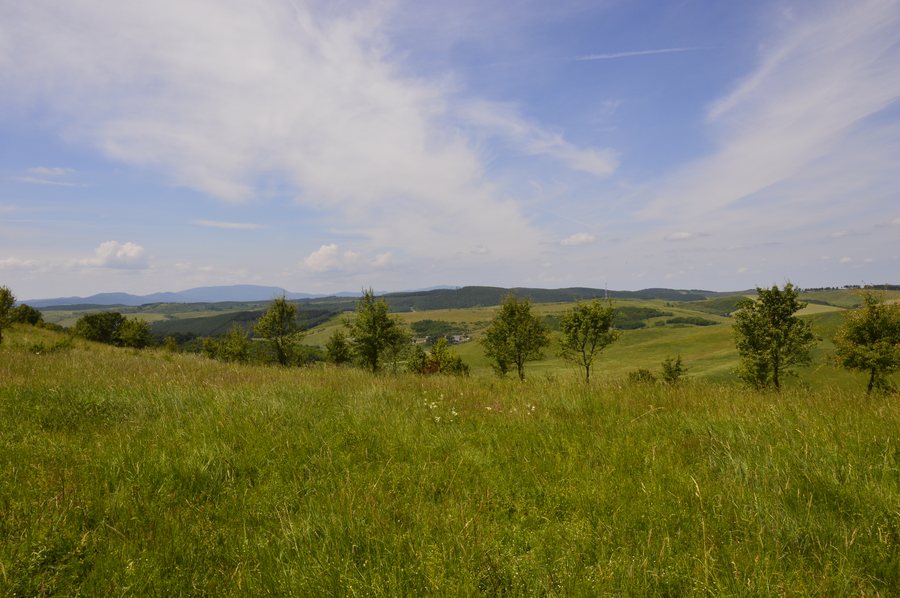
Bátor at a glance
The Nagy-oldal Nature Reserve rises along the southern boundary of Bátor and has been protected since 1978. The steep slope lies above the valley of the Laskó stream, and its landscape is shaped by reddish-brown rock outcrops. The Bátor educational trail explores the Nagy-oldal’s flora and fauna, the region’s geological development and the history of Bátor. The trail starts in the town centre at the Tourist Information Centre and is marked with a blue T.
What makes the landscape around Nagy-oldal distinctive?
At Nagy-oldal, a steep slope, views of the Laskó stream valley and striking reddish-brown rock outcrops come together. Rocks of different ages can be observed in the outcrops. The focus is therefore not only on the shapes of the landscape, but also on the different geological traces visible there. The area is also a habitat for unique, locally protected flora and fauna.
The educational trail explores these themes and introduces the region’s natural and geological sights. This gives you a specific focus when planning your trip: you can get to know Bátor through its landscape, rocks and protected nature. The explanations of the rocks add a long-term perspective to the nature theme; geology remains a distinct subject alongside flora and fauna.
What topics does the Bátor educational trail cover?
The trail takes you well beyond local history: Bátor’s history stretches back almost 3,000 years, to the Bronze Age. The route also covers the geological history of the region, from volcanic activity on the seabed 165 million years ago to the formation of lignite deposits. These very different time spans make geology and human history distinct topics on the trail.
The Bátor educational trail connects with the National Blue Trail (OKT-22). Its own starting point is in the centre of Bátor, at the Tourist Information Centre. There, you can find information about the route and informational brochures. If you’d like to get your bearings first, this gives you a specific place to ask about the trail; its marker is a blue T.
Which historic buildings and landmarks are part of Bátor?
Several buildings provide different points of reference for the town’s history. Bátor’s rectory was built in 1772 in the late Baroque style. Construction of the new church began in 1775. In front of the Roman Catholic Church of Saint Emeric stands a carved stone cross erected in 1903. Each date relates to the building or cross named and can be understood as a separate milestone in the town’s history.
The architectural heritage also includes the Erdészház, a forestry lodge built in the Baroque style in the mid-19th century. Together with the rectory, church and stone cross, it complements the nature and geology themes with different examples of architectural history. If you’re especially interested in the town’s history, the educational trail provides a thematic framework, while the dates distinguish the individual buildings from one another.
Which other town pages can you compare?
If you’d like to compare Bátor with other destinations, you can also explore Nagyvisnyó, Mónosbél, Bélapátfalva, Bükkszentmárton, Bekölce, Mikófalva, Szilvásvárad and Balaton.
In the neighbouring town of Bükkszékfürdő, the saline Salvus waters are well known. This is another regional point of interest if you’d like to compare trip ideas beyond nature, geology and local history.
FAQ
Where does the Bátor educational trail begin?
It begins in the town centre at the Tourist Information Centre. There, you can find information about the route and informational brochures.
What nature and geology topics does the educational trail cover?
It offers insights into the locally protected flora and fauna of Nagy-oldal and the region’s geological history, from volcanic activity 165 million years ago to the formation of lignite deposits.
Which historic buildings are mentioned in Bátor?
They include the late Baroque rectory built in 1772, the church whose construction began in 1775, the stone cross erected in 1903 and the Erdészház, built in the Baroque style in the mid-19th century.
For the broader travel overview: Bélapátfalvai.

