
Ecséd – Pilgrimage Route and Monuments
Accommodation in Ecséd
Ecséd offers a range of cultural points of interest, with its pilgrimage tradition and several monuments.
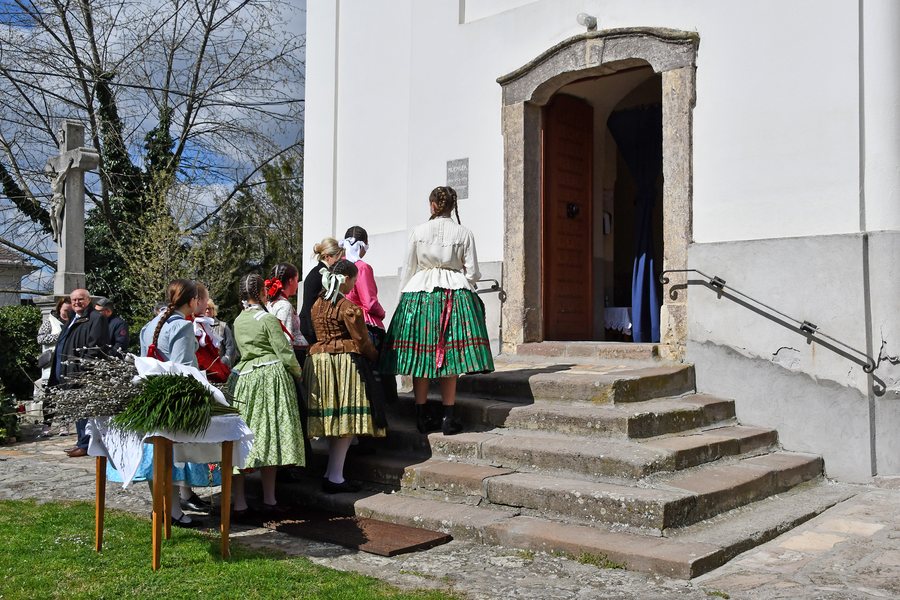 File:Ecséd, római katolikus templom 2024 03.jpg
Photo: Pasztilla aka Attila Terbócs via Wikimedia Commons, CC BY-SA 4.0
File:Ecséd, római katolikus templom 2024 03.jpg
Photo: Pasztilla aka Attila Terbócs via Wikimedia Commons, CC BY-SA 4.0
Ecséd at a glance
- The Boldogasszony Chapel in Szentkút-völgye near Ecséd has been a prominent stop on the Mária Út pilgrimage route since 2007.
- Every year in May, the foundation organizes the Motoros Búcsú for cyclists and motorcyclists at the Szentkút-völgye pilgrimage site; dates and program vary.
- Monuments in Ecséd commemorate soldiers who fell in the world war, the Revolution and War of Independence of 1848/49, as well as Trianon and 1956.
- The Huszár Statue stands in a park in front of the municipal building at Szabadság utca 139.
What role does the pilgrimage tradition play?
The Boldogasszony Chapel in Szentkút-völgye has been part of the Mária Út pilgrimage route as a prominent stop since 2007. This makes the chapel a clear point of interest for travelers interested in pilgrimage sites. The name of the place and its inclusion on the pilgrimage route give you a specific theme to focus on when planning your trip.
Another special occasion is the Motoros Búcsú, which the foundation organizes every May at the Szentkút-völgye pilgrimage site on the outskirts of Ecséd. It is a pilgrimage for cyclists and motorcyclists. Unlike the chapel’s inclusion as a stop since 2007, this is a recurring event: dates and program vary. So if you want to plan your trip around the Motoros Búcsú, take the specific event dates into account.
What do the monuments in Ecséd tell us?
The Katona Monument combines a local origin story with a memorial to soldiers who fell in the world war: the residents of Ecséd built it with donations from the public. It was inaugurated in 1937.
The Huszár Statue is also associated with a specific commemorative occasion. It was ceremonially inaugurated on March 15, 2019, in remembrance of the Revolution and War of Independence of 1848/49. It is located in the park in front of the municipal building at Szabadság utca 139. Its date and dedication distinguish it chronologically from the Katona Monument, which was inaugurated in 1937.
At the Trianon Monument, the focus is on the form of the symbol depicted: a Holy Crown broken into six pieces is shown on a supporting pillar. It recalls the losses resulting from the peace diktat signed in 1920 and also expresses the unity of Hungarians. The 1956 Monument uses a different visual language. It shows a woman climbing a barricade and holding a perforated Hungarian flag. The flag consists of three differently colored granite blocks that were made and assembled.
Another local trace can be found in the gymnasium of the Ecsédi Richter Gedeon Primary School: its walls preserve traces of Richter Gedeon’s birthplace. The school is located at Szabadság utca 141. Together, the monuments and this site offer different insights into commemoration, historical symbols, and local memory.
What else does the wider destination of Heves County offer?
The wider destination of Heves County offers a separate regional perspective; the following examples are regional themes and should not be confused with the places mentioned in Ecséd. The Hevesi Füves Puszták Landscape Protection Area lies in the southern part of Heves County. It covers 16,114 hectares, was designated in 1993, and reached its current extent after expansions in 2005 and 2008. Those wishing to include regional nature and landscape themes in their travel plans will find a different perspective here from the memorial sites in Ecséd.
Also within the wider destination of Heves County is the 6.5-kilometer Ilona Valley Nature Trail along the Ilona Stream. It passes geological features of the Eastern Mátra Mountains and evidence of former ore mining.
How do you choose a hotel for your trip to Ecséd?
When looking for a hotel in Ecséd, you can start by deciding what brings you here: would you like to focus on the pilgrimage tradition, time your trip around the Motoros Búcsú in May, or explore the local monuments? If you are planning your trip around the event, its variable dates and program are particularly relevant. For a trip with a regional focus, you can also consider whether the landscape and nature trail themes in the wider destination of Heves County match your interests.
Discover more destinations: Hort, Boldog, Hatvan, Rózsaszentmárton, Petőfibánya.
FAQ
Since when has the Boldogasszony Chapel been a stop on the Mária Út?
Since 2007, the chapel in Szentkút-völgye near Ecséd has been a prominent stop on the Mária Út pilgrimage route.
When does the Motoros Búcsú take place?
Every year in May, the foundation organizes the pilgrimage for cyclists and motorcyclists at the Szentkút-völgye pilgrimage site. The specific dates and program vary.
Where is the Huszár Statue?
It stands in a park in front of the municipal building in Ecséd, at Szabadság utca 139. It was inaugurated on March 15, 2019, in remembrance of the Revolution and War of Independence of 1848/49.
For the wider travel overview: Hatvan.

