
Hort: Church and melon-growing tradition
Accommodation in Hort
Hort combines distinctive church architecture with a local history shaped by melon growing and a former weekly market. These topics offer a concrete introduction to the town and help put its history into context. You can find more landscape and cultural topics in the wider destination of Heves County.
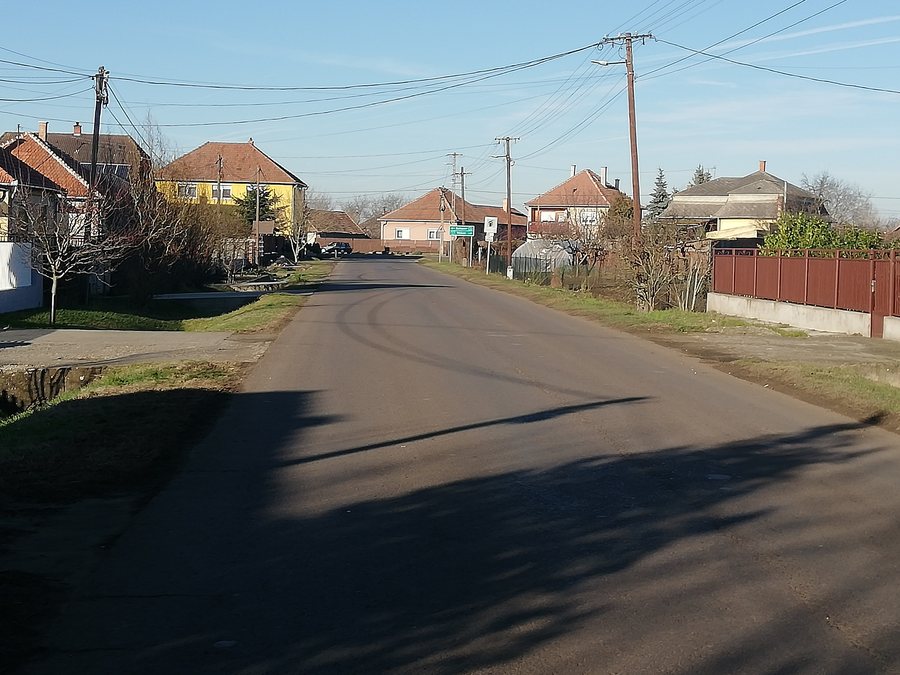
Key facts about Hort
- The Church of the Coming of the Holy Spirit (Szentlélek eljövetele) is a three-aisled building in the neo-Romanesque style, with two towers.
- Hort was known for melon growing; farmers from Hort travelled across the country with their melons.
- A weekly market used to be held in Hort every Thursday.
What characterises the church in Hort?
The Church of the Coming of the Holy Spirit (Szentlélek eljövetele) in Hort combines three aisles and two towers with a neo-Romanesque architectural style. This makes it a concrete point of reference if you are interested in church architecture. The description also gives you a clear architectural feature that sets Hort apart thematically from a purely local history focused on markets and agriculture.
Several dated references form part of the church’s earlier history: a stone church in Hort is mentioned for 1696, and a church dedicated to the Holy Spirit for 1720. On 17 November 1944, German troops blew up the former church in Hort.
What role did melons and the weekly market play?
Hort was known for melon growing. Melon farmers from Hort travelled across the country, as did those from Csány. Melon growing is therefore one of the town’s historical themes and is also associated with the farmers’ journeys beyond the region. If you are putting Hort’s history into context, this tradition offers a different perspective from its sacred architecture.
The weekly market is also part of the past: it used to be held in Hort every Thursday. Together, the market and melon growing offer clues to two distinct aspects of earlier life in the town: cultivating a particular crop and holding a regularly scheduled market day. Alongside church buildings, agriculture and market traditions are therefore among the historical themes you can explore.
What topics does the wider destination of Heves County offer?
The wider destination of Heves County offers everything from protected areas to nature trails. The Hevesi Füves Puszták Landscape Protection Area lies in the southern part of Heves County and covers 16,114 hectares. It was designated in 1993; following expansions in 2005 and 2008, it reached its present size.
The nature trails also cover different topics. The 6.5-kilometre Ilona Valley Nature Trail along the Ilona Stream passes geological sites in the Eastern Mátra Mountains and evidence of former ore mining. The Pély-Ludas Nature Trail provides information about the grassland habitats of the Hevesi Plain, including saline grasslands, marshes, bodies of water, thickets, semi-natural woodlands and forests and their wildlife, as well as the European roller population. This sets geological and mining-history topics apart from habitats and wildlife.
In the wider destination of Heves County, the section of the Országos Kéktúra (National Blue Trail) in the county includes an ascent of Kékestető, the highest point in Hungary. In winter, fans of active tourism can take part in winter sports at Kékestető.
In the wider destination of Heves County, culture is also connected with wine and crafts. The Szépasszony Valley encompasses Eger’s largest continuous area of wine cellars; wine culture and its associated gastronomy are among the area’s most important tourist attractions. Hevesi szőttes, in turn, is a textile heritage from Heves County associated with Heves, Mátraderecske and Bodony. In 2021, Heves County included the Mátra-Bükk tourism region among its priority tourism areas.
Discover more destinations: Boldog, Rózsaszentmárton, Petőfibánya, Hatvan, Ecséd.
FAQ
What is the architectural style of the Church of the Coming of the Holy Spirit?
It is a three-aisled building in the neo-Romanesque style with two towers.
What are some earlier dates in the history of the church in Hort?
A stone church is mentioned for 1696, and a church dedicated to the Holy Spirit for 1720. On 17 November 1944, German troops blew up the former church in Hort.
What was Hort historically known for?
Hort was known for melon growing. Melon farmers from Hort travelled across the country, as did those from Csány.
What is known about the former weekly market?
A weekly market used to be held in Hort every Thursday.
For the wider travel overview: Hatvan District.

