
Paradohuta: Springs, Hiking Trails and Glassworks History
Accommodation in Paradohuta
Glassworks History
The glassworks in Parádóhuta was founded in 1708 by Ferenc II Rákóczi near the Klarissza Spring. The glassworks founded in Parádóhuta was later relocated to Parádsasvár.
Springs on the Southeastern Forest Edge
At the southeastern edge of Parádóhuta, on the edge of the forest, lies the Clarissa Spring. Visitors looking for the spring source can use these two specific location features for orientation: its southeastern position within Parádóhuta and the adjacent forest edge. As a result, the spring source is in a different part of the settlement from the bell tower in the centre, where the hiking trail begins. For orientation in Parádóhuta, the town centre and the forest edge therefore serve as separate reference points.
The Klarissza Spring in Parádóhuta is a Csevice spring with water containing hydrogen sulphide and carbon dioxide. The iron- and lithium-rich, carbonated water of the Clarissa Spring is used as a drinking cure. At a Csevice spring, visitors can taste carbonated, slightly sulphurous mineral water from a covered well pipe. The water is collected directly at the spring source from the covered pipe.
Parádóhuta is notable for two Csevice springs: the Klarissza-csevice, with a constructed well and a drinking hall, and the Tót-berki-csevice. The Klarissza-csevice is therefore associated with a specific well facility and a drinking hall, while the Tót-berki-csevice is the second spring in Parádóhuta.
Hiking Trails: Start, Daytime Framework and Direction
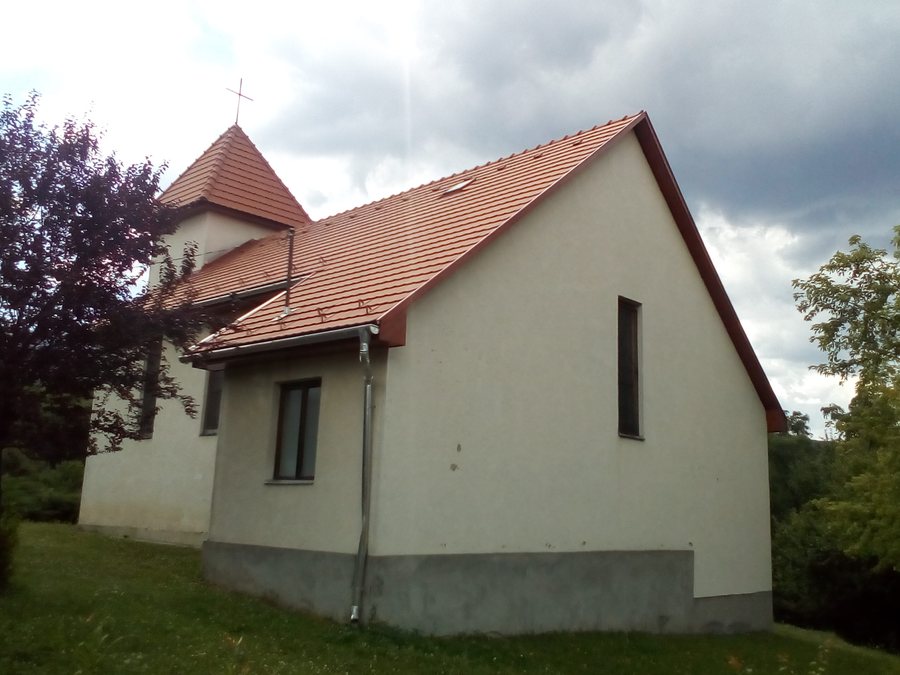
The “Csevicék nyomában a Mátra északkeleti lábánál” hiking trail begins in the centre of Parádóhuta at the bell tower. The bell tower is the specific starting point for this route. The Clarissa Spring at the southeastern forest edge, by contrast, is a different reference point within Parádóhuta. To gain an overview of the trail’s location, the starting point in the centre and the spring source at the edge can be considered separately.
The “A kis Rákóczi turistaút a Mátrában” hiking trail is a shortened section of the Rákóczi Tourist Trail that can be completed in one day. The shortened route is therefore designed for a single day of hiking. Planning this section involves a clear timeframe of one hiking day.
Parádóhuta is considered a good endpoint for hikes heading north from Kékes. Anyone planning a hike from Kékes in this direction can designate Parádóhuta as the destination. Kékes is the starting point and Parádóhuta the endpoint; the hike leads north.
The three trail details complement one another for day planning: the bell tower represents the start in the centre, the shortened Rákóczi Trail represents a single hiking day, and Kékes represents a hike with Parádóhuta as its northern endpoint.
FAQ About Getting There
Can the Clarissa Spring be reached by car?
Yes. The Clarissa Spring is easily accessible by car.
Which VOLÁN bus stop is closest to Parádóhuta?
The nearest VOLÁN bus stop to Parádóhuta is Parádóhuta-Harangláb on Széchenyi út. For travel by bus, this provides a specific stopping point, while travel by car is directed to the Clarissa Spring itself.

