
Discover Tiszaigar: Churches and Architectural History
Accommodation in Tiszaigar
Tiszaigar brings together two distinct chapters in the history of church architecture: the Roman Catholic church is a protected historic monument and contains older furnishings; the Reformed church was rebuilt in 1786. This local cultural focus can be distinguished from the nature, cycling and cultural themes of the broader destination of Jász-Nagykun-Szolnok.
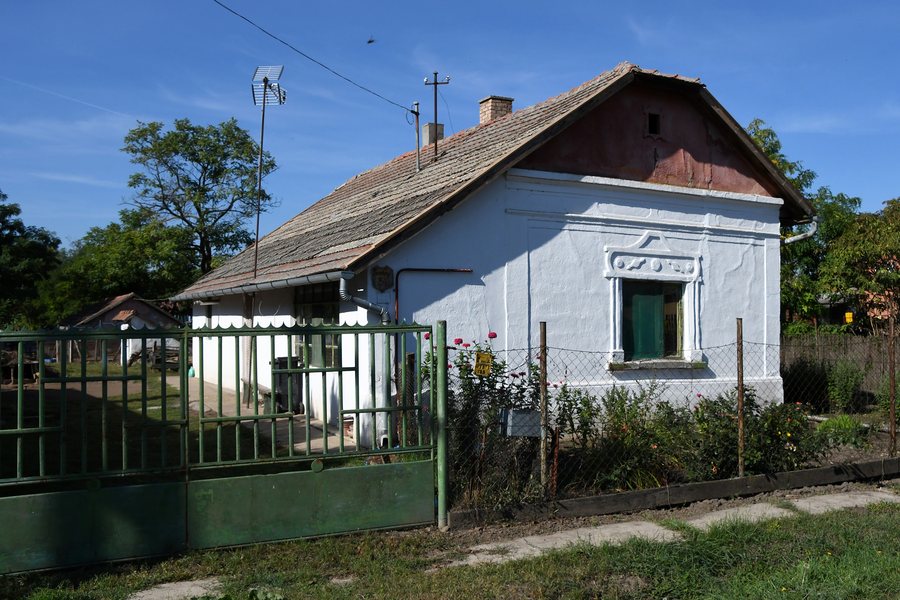 File:Tiszaigar, népi lakóház 2021 01.jpg
Photo: Pasztilla aka Attila Terbócs via Wikimedia Commons, CC BY-SA 4.0
Tiszaigar at a glance
- The Roman Catholic church in Tiszaigar is a protected historic monument.
- It dates from the second half of the 19th century and has a single nave.
- Its furnishings include a pulpit from the first half of the 18th century and altars from the second half.
- The Reformed church was rebuilt in 1786.
What distinguishes the Catholic church?
The single-nave building has a chancel with a curved end. The tower rises above the central projection of the east façade; the sacristy is on the south side of the chancel. An extension with a tympanum gable on the north side of the nave provides access to a crypt. The architectural description thus covers both the exterior layout and other parts of the complex.
The church was commissioned by the landowner Trásy János. Together with the construction date, in the second half of the 19th century, this provides a brief glimpse into its history. Visitors interested in historic churches can consider the building’s form, façade layout and furnishings as separate aspects.
How do the construction dates and furnishings fit together?
At the Catholic church, the furnishings date from before the building itself: the pulpit is from the first half of the 18th century, and the altars from the second half; the church was built in the second half of the 19th century. These dates make it useful to consider the building and its furnishings separately rather than assigning them to a single construction phase.
The Reformed church adds a different date to this picture: it was rebuilt in 1786. Tiszaigar therefore has two distinct dates associated with its church history, while the older furnishings in the Catholic church reveal an additional layer from an earlier period.
What other perspectives does the broader destination offer?
In the broader destination of Jász-Nagykun-Szolnok, Lake Tisza in the northern part of the county serves as a tourist hub. The lake and its surroundings are among the region’s outstanding areas for cycling tourism. The international EuroVelo 2 route follows the Tisza through the county. These regional themes offer a different focus from Tiszaigar’s church architecture.
Nature and culture are also represented in the broader destination. The Tiszakürt Arboretum is home to more than 1,000 plant species and varieties and has been a protected area of national importance since 2001. Öregkert has a signposted 3.5-kilometre walking trail network.
The Kiss Pál Museum in Tiszafüred has two permanent exhibitions: one on Tiszafüred’s approximately 7,000-year archaeological past, and a folk culture exhibition featuring objects from the 17th and 18th centuries. Check the exhibition topics before your visit. This will help you distinguish Tiszaigar’s local focus on churches from the broader destination’s other cultural and nature themes.
What does this mean for your hotel search?
First, consider whether Tiszaigar’s church history or several themes of the broader destination will shape your travel plans. The regional highlights and the churches in Tiszaigar are different points of reference for planning your trip.
Discover more destinations: Tomajmonostora, Tiszaszőlős, Tiszaroff, Abadszalok, Kunhegyes, Tiszaderzs, Tiszaszentimre, Tiszafüred.
FAQ
Which church in Tiszaigar is a protected historic monument?
The Roman Catholic church in Tiszaigar is a protected historic monument.
When do the Catholic church’s pulpit and altars date from?
The pulpit dates from the first half of the 18th century, and the altars from the second half of the 18th century.
Where does the EuroVelo 2 route run in the broader destination?
The international EuroVelo 2 route follows the Tisza through Jász-Nagykun-Szolnok.
Go to the broader travel overview: Tiszafüred.

