
Csatka: Churches, Pilgrimage and History
Accommodation in Csatka
You can explore Csatka from two different perspectives: the village’s architectural and church history, and the pilgrimage site of Szentkút nearby. When planning your trip, it helps to distinguish between these places and their locations relative to one another.
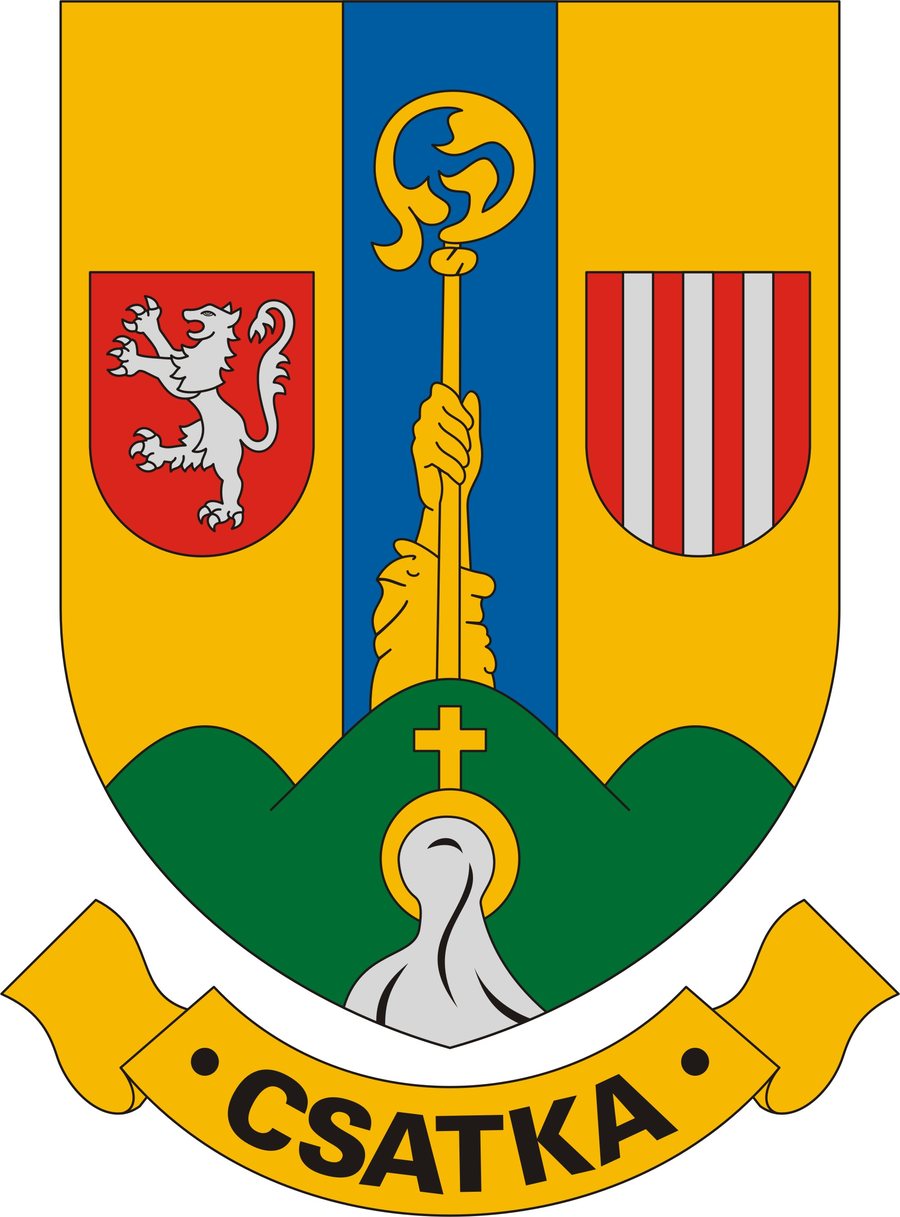
Key facts about Csatka
Szentkút lies about one kilometre southeast of Csatka. The eastern approach leads there via a route marked with a red stripe or the Mária út. The Pauline monastery church once stood in the village; it was first mentioned in writing in 1357 and destroyed in the years following the Battle of Mohács.
The Sarlós Boldogasszony-templom stands in the centre of Csatka. At Szentkút, the chapel dedicated to Irgalmasság Anyja is located in a densely wooded valley basin. Szentkút is a popular pilgrimage site.
Which churches shape Csatka’s history?
The village’s two churches represent different aspects of Csatka’s history. The Pauline monastery church is documented in a written reference from 1357; it was destroyed in the years following the Battle of Mohács. This dating distinguishes it from the Sarlós Boldogasszony-templom, whose architectural form today draws attention to its architectural details.
The Sarlós Boldogasszony-templom faces east. Its single-nave body is flanked by rows of chapels on both sides, each with a gabled roof; the chancel has a straight ending.
What is there to discover around Szentkút?
The surroundings of Szentkút combine a wooded valley setting with a pilgrimage site. The nearby chapel is dedicated to Irgalmasság Anyja. Its construction is associated with Baroness Fiath Ferencné, who supported the project. The date varies depending on the source: one gives 1862, while a diocesan archive gives 1863–64.
The chapel’s architecture also reflects changes over time: it was originally single-naved and was later extended with two side aisles with lean-to roofs. Looking at its building history, you can distinguish both the original layout and the later addition. Together with its wooded setting, this gives it a different character from the churches in the village centre.
Which routes lead from Csatka to Szentkút?
From Csatka, the eastern approach to Szentkút follows either the route marked in red or the Mária út. If you include the routes in your plans, check current route conditions before travelling.
The distance of about one kilometre between Csatka and Szentkút provides a sense of their locations; check current route conditions before travelling. For your planning, consider two separate questions: where the destination is in relation to Csatka, and which of the named approaches suits your planned route.
How can location help when looking for accommodation?
When looking for a hotel in Csatka, the distinction between the village centre and Szentkút can help you find your bearings: the Sarlós Boldogasszony-templom is in the centre, while Szentkút lies about one kilometre to the southeast. This lets you match the focus of your visits to your preferred location without treating the two places as one.
Discover more destinations: Súr, Ácsteszér.
FAQ
How far is Szentkút from Csatka?
Szentkút lies about one kilometre southeast of Csatka.
Which approaches to Szentkút are mentioned?
The eastern approach follows either a route marked in red or the Mária út. Check current route conditions before travelling.
What is known about the chapel at Szentkút?
It is dedicated to Irgalmasság Anyja, was built with the support of Baroness Fiath Ferencné, and was later extended with two side aisles with lean-to roofs. Different dates are given for its construction.
For the broader travel overview: Kisbéri.

