
Kétbodony: Church and Szilvaszombat
Accommodation in Kétbodony
Kétbodony brings together a late Baroque Protestant church and the recurring gastronomic folklore festival Szilvaszombat. The broader destination of Neuburg adds further cultural and geological themes.
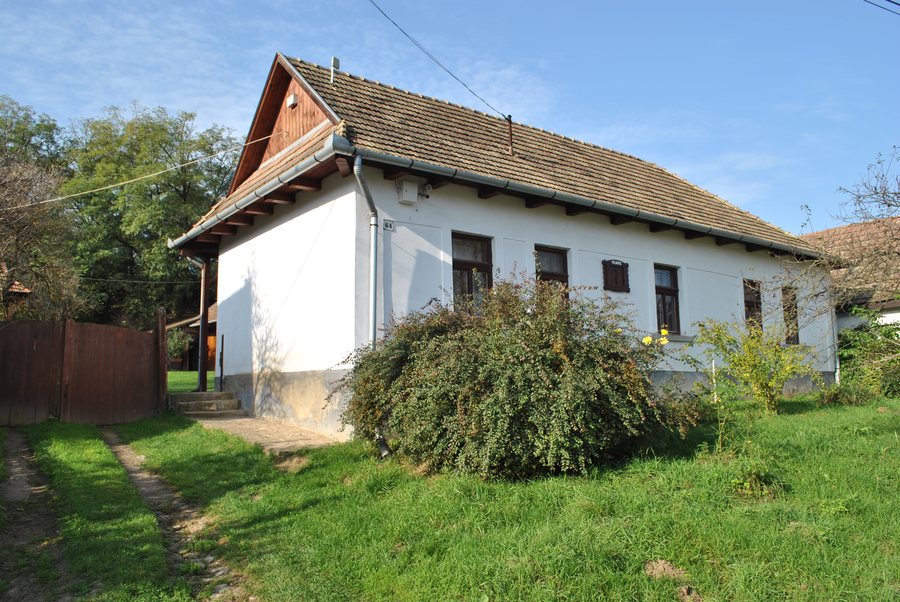
Key facts about Kétbodony
- The Protestant church was built in the late Baroque style from 1792 to 1794.
- Szilvaszombat is a recurring folklore festival of the nationalities with a gastronomic character, held on the last weekend of August.
- In 2014, Szilvaszombat received the Nógrádikum award from the Nógrád County Assembly.
What aspects of Kétbodony’s cultural history can you put into context?
The church and the festival represent two different perspectives on time. The Protestant church reveals the architectural history of the late 18th century: it was built between 1792 and 1794 in the late Baroque style. Szilvaszombat, by contrast, is a recurring event that brings together the nationalities’ gastronomic folklore in Kétbodony. It received the Nógrádikum award in 2014. This helps you decide when planning your trip whether you are more interested in the architecture or the festival.
What cultural topics does the broader destination of Neuburg offer?
In the broader destination of Neuburg, the old village of Hollókő is a Palóc settlement in Nógrád County in northern Hungary. It is considered a deliberately preserved, living example of rural life before the 20th-century Agricultural Revolution. Literary history offers a different perspective: the Madách Imre Memorial House in Csesztve has a permanent exhibition on the history of the Madách family, focused on “Az ember tragédiája.” The permanent literary history exhibition at the Mikszáth Kálmán Memorial Museum in Horpács is titled “MIKSZÁTH.” Thus, different cultural themes sit side by side within the broader destination of Neuburg: preserved village life, and exhibitions on literature and family history.
What museum and geological topics are there in Neuburg?
The museums in the broader destination of Neuburg also cover a range of subjects. The Pásztó Museum has permanent and temporary exhibitions in a Baroque Cistercian monastery building rebuilt in 1717–1718. It also features an open-air exhibition of a medieval glassworks and smithy, considered a unique industrial heritage monument in Hungary. In Salgótarján, an underground mining museum is located in the preserved tunnels of the József Inclined Shaft, opened in 1937. It opened to the public in 1965 as Europe’s second museum in an original mine.
The broader destination of Neuburg also offers different perspectives on geology. The Geocsodák House in Salgótarján combines interactive exhibitions and lectures with more than 30 accessible hiking trails with information boards, which can be explored independently or with a hiking guide. The Boszorkány-kő geological trail features, among other things, sediment inclusions, curved lava slabs, and basalt columns formed by weathering. These examples can help you distinguish between cultural-historical and geological interests when choosing your destinations.
What should you consider when planning your accommodation?
Kétbodony’s late Baroque church and Szilvaszombat give you two concrete starting points for planning your trip. The festival recurs and is scheduled for the last weekend of August; align your dates with the specific event date. If you are also interested in literature, village history, industrial history, or geology, you can explore these topics in the broader destination of Neuburg. Use the differences among the cultural and geological themes mentioned to choose your focus before looking for hotels.
Discover more destinations: Diósjenő, Felsőpetény, Romhány, Nőtincs, Kisecset, Szendehely, Bánk, Horpács.
FAQ
What is Szilvaszombat?
It is a recurring gastronomic folklore festival of the nationalities in Kétbodony. In 2014, it received the Nógrádikum award.
When is Szilvaszombat held?
It is scheduled for the last weekend of August. Check the specific event date before making your plans.
What is special about the Protestant church in Kétbodony?
The church was built in the late Baroque style from 1792 to 1794.
Go to the broader travel overview: Rétsági.

.JPG)