
Discover Rétság: Local History and Monuments
Accommodation in Rétság
Rétság brings together local history, distinctive memorials, and a sacred monument. The exhibition and monuments offer culture-focused travelers concrete points of reference to help them decide whether the town suits their interests.
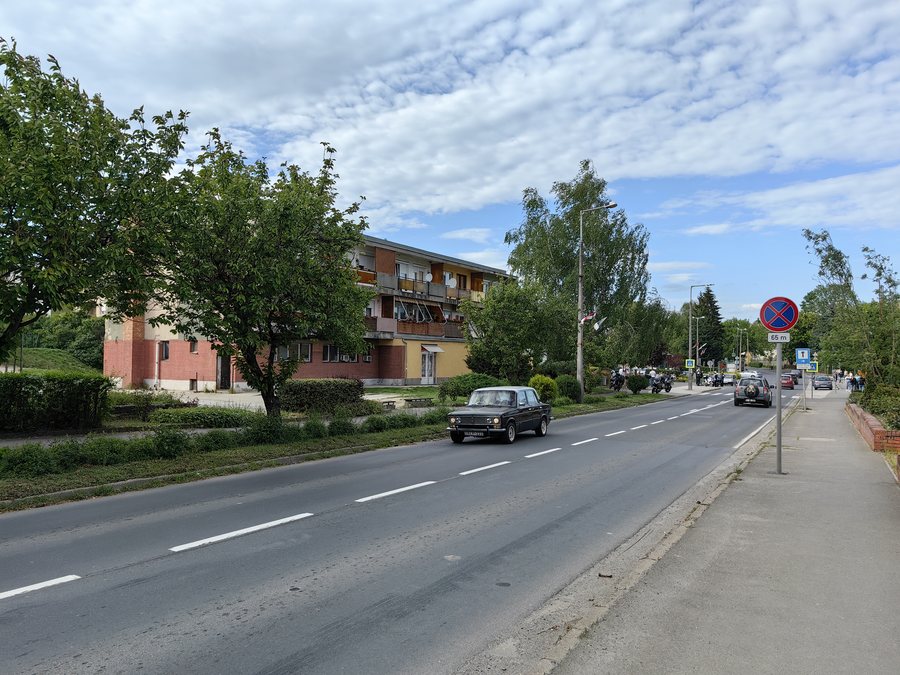
Rétság at a glance
- The permanent exhibition on local history is accessible by prior appointment.
- Its topics include peasant life, hemp processing, and the history of Rétság.
- The Pallavicini kopjafa commemorates Major Antal Pallavicini (Pálinkás).
- The Szentháromság statue is a four-meter-high sacred monument from the early 19th century.
What can you learn about Rétság’s local history?
The permanent exhibition brings together different kinds of historical evidence. A series of illustrated panels is dedicated to László Szebellédy, who was born in Rétság in 1901. The exhibition also features hemp-processing tools from the 19th and 20th centuries, as well as objects and documents that illustrate peasant life and local history. It also includes local-history documents from Rétság and neighboring settlements, photographs of settlements from the early 20th century, personal belongings of notable people, and written materials.
You can visit the permanent exhibition by prior appointment. This access requirement is an important planning consideration if you want to make local history a set part of your stay. The exhibits offer different perspectives: Szebellédy’s biography provides a personal connection, while the tools and everyday objects focus on work and life in earlier times.
What memorials and monuments are there?
The Pallavicini kopjafa commemorates Major Antal Pallavicini (Pálinkás), who died as a martyr after the 1956 Revolution. The monument thus recalls a specific person and a pivotal chapter in Hungarian history. The Szentháromság statue offers a different perspective: this four-meter-high sacred monument dates from the early 19th century and is one of the city’s oldest sacred monuments.
Together with the exhibition, these sites trace different strands of Rétság’s history: personal remembrance, religious art, and evidence of local life. If you are looking for a hotel in Rétság, you can use these themes to gauge whether the town matches your cultural interests.
What other topics can you explore independently of Rétság?
If you want to explore topics beyond Rétság, you can consider Neuburg as optional context. Hollókő is a Palóc settlement in Nógrád County in northern Hungary and is considered a deliberately preserved, living example of rural life before the 20th-century agricultural revolution. In Csesztve, the Madách Imre Memorial House focuses on the history of the Madách family, with its permanent exhibition centered on The Tragedy of Man. The Mikszáth Kálmán Memorial Museum in Horpács also has a literary-history focus: its permanent exhibition is titled “MIKSZÁTH”.
The Pásztói Museum offers another approach to regional history. Its permanent and temporary exhibitions are housed in a Baroque Cistercian monastery building rebuilt in 1717–1718. The museum also presents a medieval glassworks and blacksmith’s workshop as an open-air exhibition—an industrial heritage monument unique in Hungary. These examples extend the perspective beyond Rétság’s local history to include literature, archaeology, and crafts.
Nature and geology offer their own points of interest there. The Boszorkány-kő educational trail is in the Karancs-Medves Landscape Protection Area, established in 1989 and covering 6,928.6 hectares. The trail illustrates basalt volcanism from 2.4 to 5.2 million years ago and features, among other things, curved lava plates, weathered basalt columns, and sediment inclusions torn from deep underground. The Ipolytarnóc Fossils Nature Reserve, in turn, preserves fossils and traces of a prehistoric world destroyed by a volcanic catastrophe 17 million years ago.
How can you assess Rétság as a travel destination?
Rétság has a clear focus on local history and monuments; if you want to explore further cultural and natural-history topics, you can consider Neuburg as optional context. When planning, also check the prior-appointment requirement for visiting the permanent exhibition.
Discover more destinations: Szendehely, Berkenye, Bánk, Romhány, Legend, Nagyoroszi, Diósjenő, Kisecset.
FAQ
What does the permanent exhibition on local history show?
It includes, among other things, a series of illustrated panels about László Szebellédy, hemp-processing tools from the 19th and 20th centuries, evidence of peasant life, local-history documents, and photographs.
How can you visit the permanent exhibition?
The permanent exhibition is accessible by prior appointment.
What do the monuments in Rétság commemorate?
The Pallavicini kopjafa commemorates Major Antal Pallavicini (Pálinkás). The Szentháromság statue is a four-meter-high sacred monument from the early 19th century.
What cultural topics can you explore with Neuburg as optional context?
Independent examples beyond Rétság include the Palóc settlement of Hollókő, literary-history exhibitions in Csesztve and Horpács, and the exhibitions of the Pásztói Museum.
For the broader travel overview: Rétsági.

