
Discover Kiskunlacháza: Nature and Local History
Accommodation in Kiskunlacháza
Kiskunlacháza can be understood through several themes: local history, the connection to the landscape represented by the protected Peregi Park Forest, and the practical facilities at KAVICS.
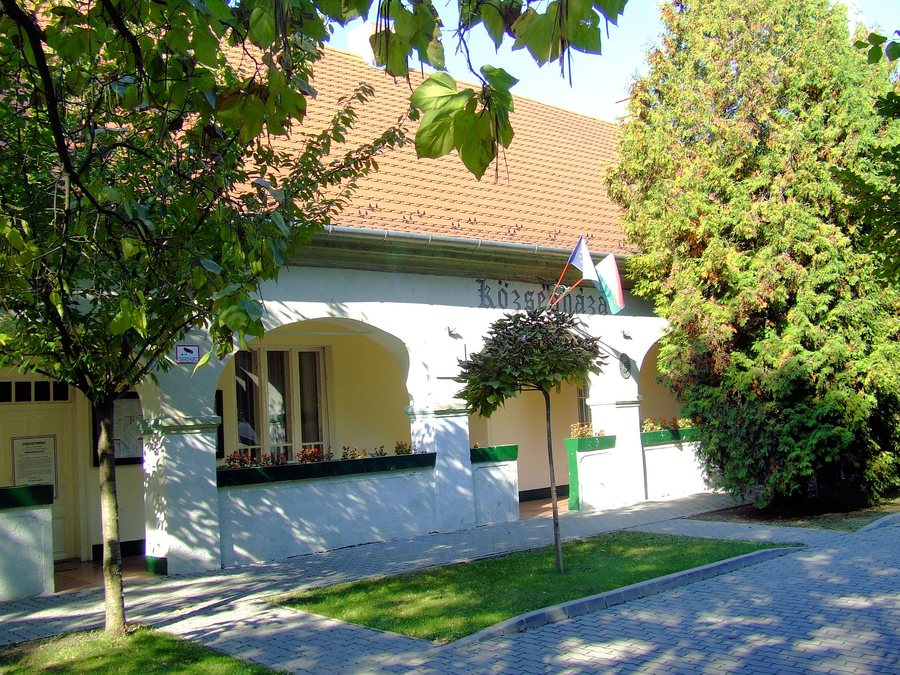
Kiskunlacháza at a glance
- Locals call part of Kiskunlacháza Pereg.
- The protected Peregi Park Forest encompasses Kiskunlacháza and Ráckeve.
- The carved Szégyenkő is kept in front of the Reformed Church; its story is part of local tradition.
- The Roman Catholic church in Lacháza was built in 1992.
- The entire KAVICS site is accessible. Toilets and showers for guests and athletes are located on the lower floor.
Which names and stories shape the town?
Locals call part of Kiskunlacháza Pereg. So when you come across the name, it refers to part of the town, not the name of the entire town. This makes local place references easier to understand.
The Szégyenkő, a carved stone, is kept in front of the Reformed Church in Lacháza. According to local tradition, wrongdoers were once made to stand, sit, or be tied there as punishment. This account is part of local tradition. The Roman Catholic church in Lacháza was built in 1992. Thus, a traditional explanation of the stone and a precise year of construction sit side by side: two different ways of looking at local history.
How should you understand the connection to the landscape?
The protected Peregi Park Forest encompasses both Kiskunlacháza and Ráckeve. The connection to the landscape therefore extends across more than one town; the entire area should not be attributed to Kiskunlacháza alone. For an initial selection, you can consider this nature aspect separately from local cultural landmarks: the protected area relates to the landscape, while the stone and churches are points of reference in local history. This lets you weigh an interest in the landscape and an interest in local history as distinct reasons for choosing a destination.
What practical information is available about KAVICS?
KAVICS is located on the riverbank in Kiskunlacháza. The entire site is accessible. Toilets and showers are available to guests and athletes on the lower floor. These details differ in scope: accessibility applies to the whole site, while the sanitary facilities are located on a specific floor. If you are taking these facilities into account when planning your trip, check in advance whether they are currently operating.
How can you use this information when looking for a hotel?
When looking for a hotel in Kiskunlacháza, it helps to follow a clear order: first decide whether local history, the connection to the landscape, or the practical facilities at KAVICS are the deciding factor for your trip. Then check the location details of specific options against your own travel plans. This separates choosing a destination from selecting a hotel location and helps you compare hotels according to your priorities.
Discover more destinations: Dunavarsány, Szigetszentmiklós, Dömsöd, Taksony, Szigetszentmárton, Áporka and Tököl.
FAQ
What does Pereg mean in Kiskunlacháza?
Pereg is the name locals use for part of Kiskunlacháza.
What is the Szégyenkő?
The Szégyenkő is a carved stone kept in front of the Reformed Church in Lacháza. According to local tradition, wrongdoers were once made to stand, sit, or be tied there as punishment.
What facilities are available at KAVICS?
Toilets and showers are available to guests and athletes on the lower floor; the entire site is accessible. Check whether the facilities are currently operating before your trip.
For the broader travel overview: Ráckevei.

