
Discover Alsóbogát
Accommodation in Alsóbogát
Alsóbogát combines a hilly, agricultural landscape with a protected castle park and historic buildings. The village’s dead-end access road and its various cultural connections are useful points of reference when planning your trip.
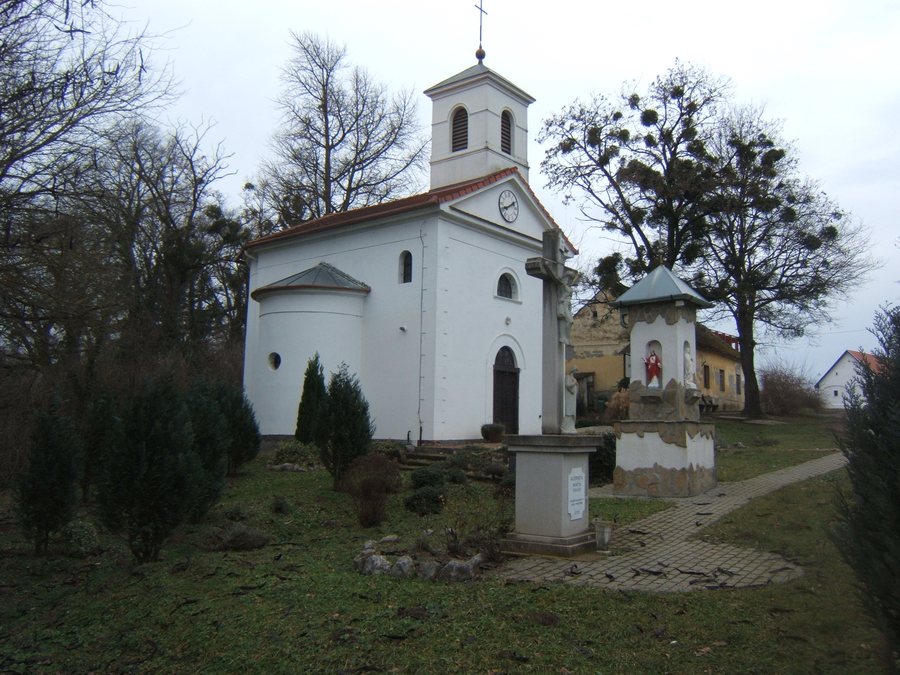
Alsóbogát at a glance
- Alsóbogát is situated on a hill; the “egyes” pond lies in the valley below.
- Woodlands, meadows, and corn and wheat fields characterize the surrounding area.
- The protected park of Festetics-Inkey Castle covers about nine hectares.
- From the west, you can reach the village via Somogyjád and a 4.2-kilometer access road.
- The chapel, castle, and other monuments offer insights into local history.
What kind of landscape defines the village?
The higher elevation and the pond below provide clear landmarks: Alsóbogát is on the hill, while the “egyes” pond lies in the valley. Woodlands and meadows alternate with corn and wheat fields around the village. This mix makes the rural surroundings a central part of its character.
The protected park of Festetics-Inkey Castle is another distinctive landmark. It covers about nine hectares. Almost all tree species native to Hungary grow there, including specimens several hundred years old. Visitors interested in park landscapes and ancient trees will find them a fitting focus for exploring the village.
How do you get there?
Alsóbogát is a village at the end of a dead-end road. You can reach it from the west via Somogyjád: a 4.2-kilometer access road leads to Alsóbogát from the Kaposvár–Fonyód road. Factor in this final stretch when planning your journey, and check current road conditions before setting out.
The access road and its length are concrete points of reference when comparing the village with other destinations or a planned route. Since Alsóbogát is a dead-end settlement, the road leads into the village rather than passing through it to another destination.
What historic places and details can you find?
According to current knowledge, the protected Festetics-Inkey Castle was built in the Neoclassical style around 1853. The Inkey family had the Catholic chapel built in 1850 as a private chapel for themselves and their people. Its altarpiece depicts Saint Anthony of Padua and is by Miklós Barabás. Ildikó Csala restored the painting; it is held at the Hungarian Museum of Fine Arts.
In June 2005, the Németh family had a folk-style cross erected beside the chapel. It commemorates the family’s long stays in the village and their wedding, and represents their connection with the village and its people. The protected statue of Saint John of Nepomuk in Alsóbogát has also been restored.
Nearby, at the end of the road, stands a manor house known locally as Kiskastély. It is privately owned, and the walls of its dining room are covered with original frescoes. Borostyán Cukrászda is in the center of Alsóbogát and serves as a place for hikers and visitors to stop and refresh themselves. Check current opening hours before visiting.
How can you factor Alsóbogát into your travel plans?
When choosing accommodation, you can first consider which aspects of the village matter most to your trip: the parkland, the rural surroundings, or the historical associations of the castle and chapel. This helps you assess Alsóbogát according to your own interests without making assumptions about the features of individual accommodations.
In the wider Lake Balaton – South destination area, the Dráva network includes water tourism stops along its section in Somogy County. This regional connection adds another travel-planning theme to your visit to Alsóbogát.
Discover more destinations: Kercseliget, Hajmás, Ruppertiberg, Polány, Igal, Bőszénfa, Kaposkeresztúr and Felsőmocsolád.
FAQ
How long is the access road to Alsóbogát?
The access road from the Kaposvár–Fonyód road is 4.2 kilometers long. The village can be reached from the west via Somogyjád.
Who created the chapel’s altarpiece?
The altarpiece depicting Saint Anthony of Padua is by Miklós Barabás. Ildikó Csala restored it; it is held at the Hungarian Museum of Fine Arts.
What is Kiskastély?
Kiskastély is the local name for a manor house at the end of the road. It is privately owned and has original frescoes on the walls of its dining room.
For the wider travel overview: Kaposvári.

