
Discover Taszár
Accommodation in Taszár
Taszár offers insights into a church history shaped by several periods and public art. Nature, stargazing, and water tourism are also themes of the wider South Balaton destination. This overview distinguishes local cultural highlights from broader regional themes.
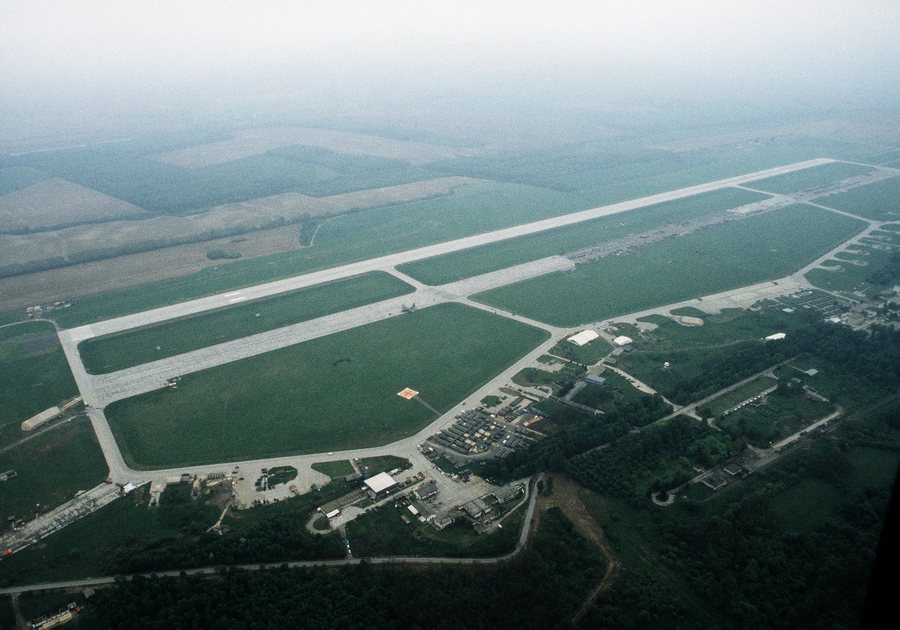
Taszár at a glance
The Roman Catholic church in Taszár was originally Gothic, was rebuilt between 1738 and 1741, and was enlarged in 1782. In 1747, its patronal dedication was Kisboldogasszony. In front of the entrance to the Magyarok Nagyasszonya-templom is a public artwork depicting Szent György fighting a dragon. The Szentháromság-szobor at Széchenyi utca 67 is a protected monument.
Which cultural highlights define Taszár?
The church’s history can be read as a sequence of different periods: its originally Gothic origins were followed by a rebuilding between 1738 and 1741, and then its enlargement in 1782. Its patronal dedication—that is, the church’s dedication—was Kisboldogasszony in 1747. This dedication adds another historical aspect to the building chronology, without being the same as any of the stated periods of construction work.
The artworks also offer different points of interest. The public artwork in front of the entrance to the Magyarok Nagyasszonya-templom depicts Szent György fighting a dragon. The Szentháromság-szobor is another cultural highlight: it is located at Széchenyi utca 67 and is a protected monument. Together, these local points of interest encompass the church’s history, a figurative depiction, and a protected statue. When considering Taszár from a cultural perspective, you can look at these different aspects separately.
What nature-related themes are there in the wider South Balaton destination?
In the wider South Balaton destination, the Zselici Tájvédelmi Körzet received the title of International Dark Sky Park in 2009 because of its low light pollution. The Zselici Csillagpark was built in the heart of the protected area. Another natural asset of Somogy is Baláta, located between Kaszó and Szenta. Somogy County also includes, among others, Kis-Balaton, the Zselici Tájvédelmi Körzet, Barcsi Ősborókás, and Babócsai Basakert.
Water tourism is also part of the region’s range of themes. The interregional Dráva network for active tourism includes water tourism stops on its stretch in Somogy County. Individual facilities may change during development; if you include this offering in your plans, check the current status of the relevant facility. The regional context thus brings together a range of interests: nature and stargazing, as well as water tourism.
How do you choose the focus of your travel plans?
For an initial overview, it helps to distinguish between Taszár’s cultural highlights and the nature and water tourism themes of the wider South Balaton destination. Consider whether you are primarily interested in local church history and the artworks, or in nature and stargazing within a regional context. This will help you focus your search for a destination on the topics that genuinely interest you, without conflating different scales.
Discover more destinations: Polány, Kaposkeresztúr, Somogygeszti, Mosdós, Kercseliget, Hajmás, Mernye, Felsőmocsolád.
FAQ
What construction phases did the church in Taszár undergo?
It was originally Gothic, was rebuilt between 1738 and 1741, and was enlarged in 1782. Its patronal dedication is recorded as Kisboldogasszony in 1747.
What does the public artwork in front of the Magyarok Nagyasszonya-templom depict?
It depicts Szent György fighting a dragon.
Why is the Zselici Tájvédelmi Körzet mentioned as an International Dark Sky Park?
It received this title in 2009 because of its low light pollution. The Zselici Csillagpark was built in the heart of the protected area.
To the wider travel overview: Kaposvári.

