
Tab: Discover Culture and History
Accommodation in Tab
Tab offers several distinct cultural points of interest: a historic church, folk collections and the Nagy Ferenc Galéria. When planning your trip, it is worth keeping these themes separate—and arranging a gallery visit in advance.
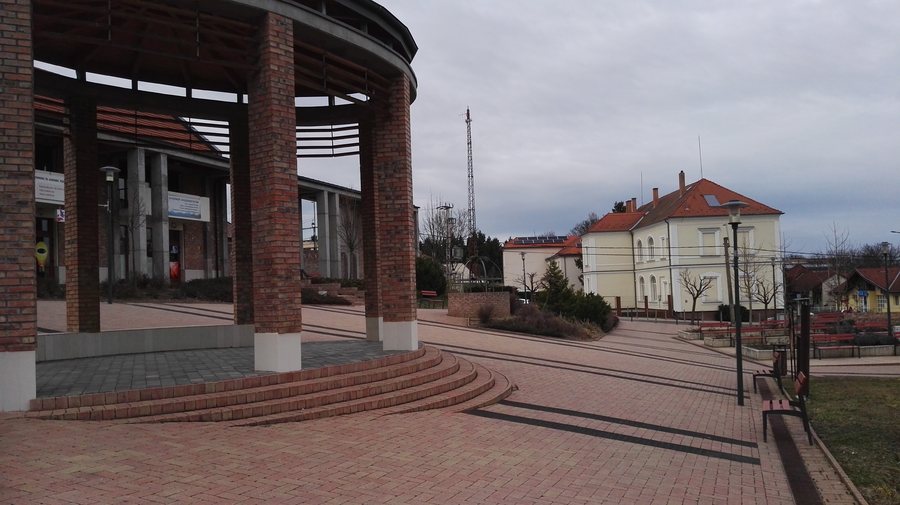
Tab at a glance
- The Roman Catholic church is listed as a nationally protected building.
- It is dedicated to Saint Peter; its reconstruction from ruins began in 1743 and was completed in 1759.
- The Magyar Néprajzi Gyűjtemény comprises folk collections from Somogy and Transylvania, with more than a thousand objects and everyday items.
- Visits to the Nagy Ferenc Galéria must be arranged in advance by appointment.
What cultural topics can you explore in Tab?
The cultural attractions focus on different subjects. The church highlights architectural history and sacred art. The folk collection focuses on objects and everyday items from Somogy and Transylvania. The Nagy Ferenc Galéria preserves the life’s work of woodcarver Nagy Ferenc. This can help you narrow down your interests: are you more interested in a historic church building, regional folklore or woodcarving?
This distinction also helps structure your visit in your mind, without treating the themes as interchangeable. The collections offer an insight into two regional folk traditions; the gallery is dedicated to the work of a single artist. Nagy Ferenc’s work spans almost every genre of woodcarving, from large-scale reliefs to figurative works.
What does the church tell you about Tab?
The church, dedicated to Saint Peter, was built in 1320. Reconstruction of the church from its ruins began in 1743 and was completed in 1759. The site thus brings together an early founding history and a clearly dated period of later reconstruction. István Dorffmeister created the paintings in the chancel and on the ceiling in the late Baroque style.
When learning about the building, both the sequence of events and its artistic design are therefore of interest: its history spans its construction, reconstruction and the paintings attributed to Dorffmeister. Its designation as a nationally protected building adds the church’s protection status to this historical perspective.
What should you plan for a gallery visit?
The Nagy Ferenc Galéria is located at Kossuth Lajos utca 91 in Tab. Visits must be arranged in advance by appointment. If the gallery is an important reason for your trip, take this requirement into account when planning and arrange your appointment ahead of time.
Nagy Ferenc was a woodcarver; his work spans almost every genre of woodcarving, including large-scale reliefs and figurative works. This gives you a thematic point of reference for distinguishing the gallery from Tab’s other cultural attractions. The collection from Somogy and Transylvania, by contrast, focuses on folklore, while the church brings together architectural history and late Baroque painting.
How does Tab fit into a broader travel perspective?
In the broader destination of Lake Balaton - South, the Dráva active tourism network offers a different thematic connection: its section in Somogy County includes stops for water tourism. This is regional context alongside Tab’s cultural attractions, not a claim that these places are connected. You can consider culture and water tourism as distinct interests when exploring the wider destination.
How do you choose accommodation for your trip to Tab?
If you are looking for a hotel, the purpose of your trip can help you choose: first consider whether the church, the folk collections or the Nagy Ferenc Galéria matters most to you. If you plan to visit the gallery, include the required appointment in your plans.
FAQ
Do visits to the Nagy Ferenc Galéria need to be arranged in advance?
Yes. Visits must be arranged in advance by appointment.
What collections does the Magyar Néprajzi Gyűjtemény comprise?
It comprises a folk collection from Somogy and one from Transylvania, with more than a thousand objects and everyday items.
When was the church in Tab reconstructed?
Reconstruction from the ruins began in 1743; the church building was completed in 1759.
To the broader travel overview: Somogy.

