
Southern Lake Balaton: Discover Nature and Culture
Accommodation in Southern Lake Balaton
Plan a trip to Southern Lake Balaton around your interests in nature and culture: Zselic is known for its star park and protected landscapes, while Somogyvár, Babócsa and Szenna each have their own historical and cultural highlights. A cycling stage and the differences between the natural areas offer concrete reference points for setting your travel priorities.
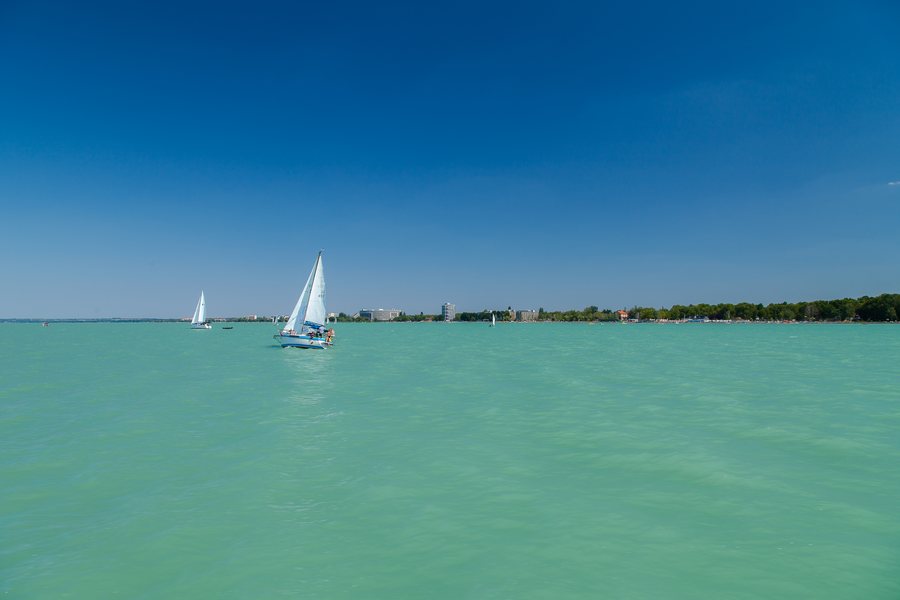 File:Lac lake Balaton Hongrie Hungary Siofolk photo picture image (9643295341).jpg
Photo: Grand Parc - Bordeaux, France from France via Source, CC BY 2.0
Southern Lake Balaton at a glance
- Zselic covers about 1,200 km² and 45 municipalities. It lies in Southern Transdanubia, mostly in Somogy County and, to a lesser extent, in Baranya.
- The Zselici Tájvédelmi Körzet was awarded International Dark Sky Park status in 2009 because of its low light pollution.
- Babócsai Basakert is a historic, protected ruin garden with a daffodil field and covers 12 hectares.
- Somogyvár has hosted the Kupavári Napok event series every year since 1989; program details may vary.
- A moderately difficult stage of the BalatonBike365 Kalandkör 400 runs for 43.62 kilometers between Balatonberény and Somogyvár.
How do the natural areas differ?
In Zselic, protected landscapes and a star park go hand in hand: Zselici Csillagpark was established in the heart of Zselici Tájvédelmi Körzet. Low light pollution led to the protected area being designated an International Dark Sky Park in 2009. Those interested in starry skies and protected landscapes will find a clear focus here.
Barcsi Ősborókás Landscape Protection Area features sandy steppes and marsh forests typical of the Inner Somogy landscape. In Csokonyavisonta, the Csokonyavisontai Fáslegelő nature reserve protects a rich variety of flora and fauna, as well as a form of land management that is increasingly being forgotten. The open areas south of Csokonyavisonta can be reached via an unmarked footpath. The enclosed woodland areas can be reached by stopping on Road 86.
The Dráva section of Duna-Dráva National Park is also distinguished by diverse habitats and rare, protected plant species. These include Selaginella helvetica, which is rare in Hungary. In the Barcs area, the section between Bélavár and Szentborbás covers 11,493 hectares across the territories of 19 municipalities. Baláta lies between Kaszó and Szenta and is considered one of Somogy’s most valued natural assets.
Where do history and culture meet?
In Somogyvár, the three-storey observation tower at the Saint Ladislaus National Memorial Site offers views of the monastery’s complete ground plan and the surrounding panorama. The annual Kupavári Napok event series, associated with the site’s founder, Saint Ladislaus, complements the area’s history. It has been held since 1989; the program may vary from year to year.
Babócsa combines a historic monument with a recurring natural spectacle: its protected, 12-hectare Basakert is a ruin garden with a daffodil field. It has bloomed every May for centuries. In Szenna, the open-air ethnographic museum offers a different focus: it showcases the folk architecture of Somogy County and the Zselic hills. The cultural themes therefore range from a memorial site and monastery to historic ruins and regional architecture.
What do cycling and water tourism offer?
For practical cycling plans, both the distance and difficulty rating of the BalatonBike365 Kalandkör 400 stage are known: it is 43.62 kilometers long, moderately difficult, and runs between Balatonberény and Somogyvár. Route conditions and difficulty ratings may change. Check both before setting off so your plans are based on current information.
The Somogy County section of the wider Dráva active tourism network includes stops for water tourism. Individual facilities may change during development, so check the latest information before making specific plans. The cycling stage and water stops are different reference points to consider when weighing activities for your trip.
Discover more destinations: Heves, Jász-Nagykun-Szolnok, Budapest, Szabolcs-Szatmár-Bereg, Baranya, Győr-Moson-Sopron, Pest, Borsod-Abaúj-Zemplén.
FAQ
When does Babócsai Basakert bloom?
The 12-hectare Basakert in Babócsa blooms every May. It is a historic, protected ruin garden with a daffodil field.
What can you see from the observation tower in Somogyvár?
From the three-storey observation tower at the Saint Ladislaus National Memorial Site, you can see the monastery’s complete ground plan and the surrounding panorama.
How do you reach the areas of Csokonyavisontai Fáslegelő?
The open areas south of Csokonyavisonta can be reached via an unmarked footpath. The enclosed woodland areas can be reached by stopping on Road 86.
How long and difficult is the cycling stage between Balatonberény and Somogyvár?
The BalatonBike365 Kalandkör 400 stage is 43.62 kilometers long and moderately difficult. Route conditions and difficulty ratings may change; check both before setting off.
Back to the main travel overview: Hungary.

