
Nyírbogdány: Churches, Culture and Market Hall
Accommodation in Nyírbogdány
Nyírbogdány offers a late Baroque Reformed church, other named church and castle buildings, and a market hall that opened in autumn 2018.
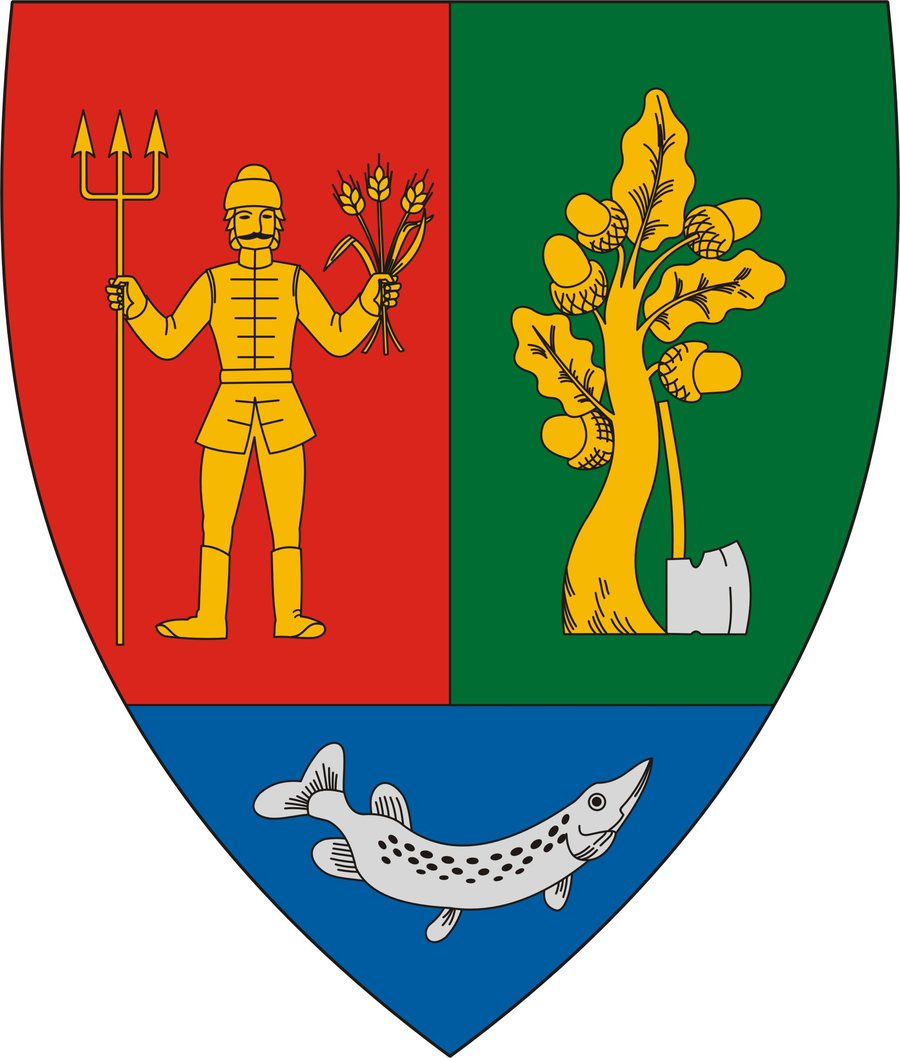
Nyírbogdány at a glance
- The Reformed church is a single-nave, brick-built late Baroque hall church.
- The local producers’ market and market hall opened in autumn 2018.
- The cultural centre is housed in the former castle of Székely Elek.
What architectural features define Nyírbogdány?
The Reformed church can be described through several clear features: it is single-nave, built of brick and late Baroque in style. At the eastern end stands a tower with a clock cornice. These terms describe different aspects of the building—its layout, material, style and the position of the tower. Together, they turn a brief architectural description into a concrete picture of the local place of worship.
The Roman Catholic church is at Kéki utca 18; the Adventist church is at Körösi Csoma Sándor utca 35. The denominations and street addresses provide precise directions to two more church locations in Nyírbogdány. Alongside its late Baroque architecture, the range of named churches is another aspect to consider when comparing the local places of worship.
Two former castles are also part of the local landscape: Nyírbogdány’s cultural centre is housed in the former castle of Székely Elek. The former Szalánczy Castle is on Kéki utca. The details connect the two castle names with the town in different ways—one with the cultural centre, the other with its location on a street.
What role do the market hall and local history play?
The local producers’ market and market hall opened in autumn 2018. This opening is a clearly dated reference to local producer trade and adds another aspect of the town to its architectural features. The overall picture thus brings together religious architecture, former castles and a more recent, precisely dated local landmark.
What cultural and natural attractions are there in the wider destination of Szabolcs-Szatmár-Bereg?
The named places in the wider destination of Szabolcs-Szatmár-Bereg offer a range of cultural attractions. In Vaja, the Vay-Ádám Museum Collection of the Hungarian National Museum is housed in Vay Renaissance Castle. The Báthori Castle in Nyírbátor has a permanent exhibition and a wax museum depicting members of the Báthori family in a period setting. Near Tiszadob, Andrássy Castle was built between 1880 and 1885 in the French Gothic style. It was commissioned by former Prime Minister Andrássy Gyula and designed by Alpár Ignác. The regional perspective thus spans a museum collection, a depiction of the Báthori family and a precisely dated castle building.
The northern Hungarian section of the Route of Medieval Churches is also part of this regional picture: it connects 37 places of worship in the medieval church landscape of Szabolcs-Szatmár-Bereg. This number conveys the scale of the church-history attraction without conflating it with the local churches in Nyírbogdány.
The landscapes of the wider destination of Szabolcs-Szatmár-Bereg range from marshes to protected woodland and floodplain areas. The Bátorliget Ancient Moor covers about 53 hectares and is strictly protected; it preserves the different stages in the vegetation and landscape history of the Alföld plain particularly well. Nyíres-tó and Báb tava near Csaroda are distinctive peat bogs whose origins date back to the Ice Age.
The nature reserve near Tiszadob covers 1,000 hectares and includes oxbow lakes, floodplain forests and grassland. Between 80 and 90 pairs of herons nest in a large colony in Tölgyes Forest. The Cégénydányád Park Nature Reserve currently covers 14.28 hectares. The 77-hectare Vaja Reservoir near Vaja shows another connection between landscape and use: fed by the Vajai Main Canal, it is suitable for fishing and irrigation.
Discover more destinations: Ibrány, Kemecse, Nagyhalász.
FAQ
How is the Reformed church in Nyírbogdány built?
It is a single-nave, brick-built late Baroque hall church. At the eastern end stands a tower with a clock cornice.
When did the producers’ market and market hall open?
Both opened in autumn 2018.
How many places of worship does the regional church route connect?
The northern Hungarian section of the Route of Medieval Churches connects 37 places of worship in the church landscape of Szabolcs-Szatmár-Bereg.
See the wider travel overview: Ibrány–Nagyhalász.

