
Rakamaz – between the banks of the Tisza and the Great Hungarian Plain
Accommodation in Rakamaz
Rakamaz lies on the left bank of the Tisza, at the transition between hilly country and the Great Hungarian Plain. Oxbow lakes surround the town in a semicircle, and a 92-kilometre cycling route passes through Rakamaz. The landscape and cycling give you two specific ways to assess the destination according to your interests.
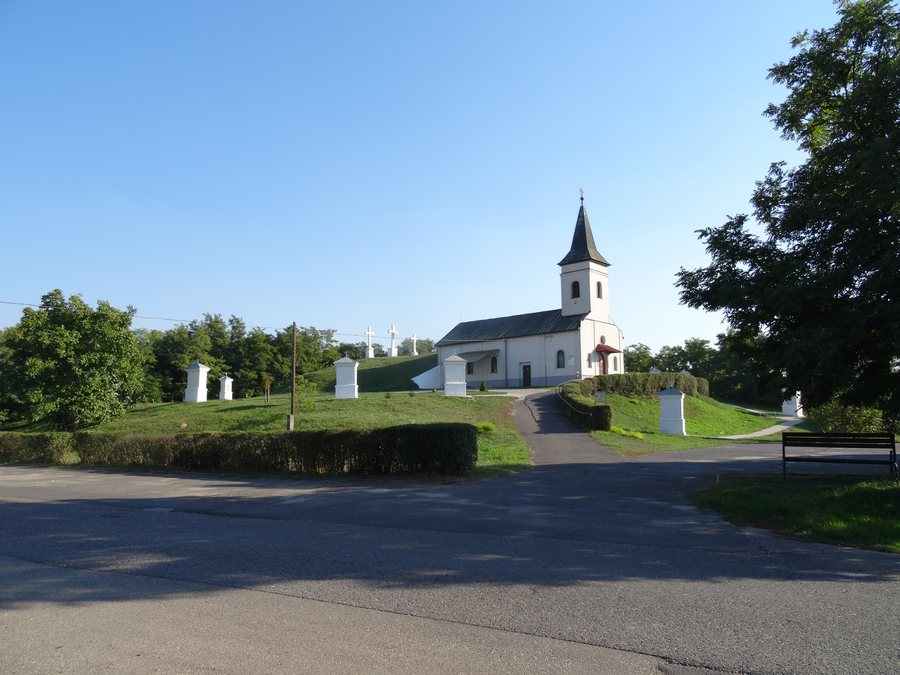
Rakamaz at a glance
- Rakamaz lies on the left bank of the Tisza, at the transition between hilly country and the Great Hungarian Plain.
- The oxbow lakes of the Tisza surround the town in a semicircle.
- The 92-kilometre Rétközi Kerékpáros Örökségkör passes through Rakamaz and runs almost entirely on cycle paths.
- A small chapel was built as a hermitage on Kálvária Hill in the 17th century.
What shapes the landscape in Rakamaz?
The location brings together two geographical features: the left bank of the Tisza and the transition from hilly country to the Great Hungarian Plain. The semicircular arrangement of the oxbow lakes is another distinctive feature. These characteristics describe the surroundings from different angles: the river defines the setting on its banks, while the oxbow lakes give Rakamaz a distinctive spatial form. This offers a clear point of reference for planning your trip if you are looking for a place connected with the Tisza and the landscape of the Great Hungarian Plain.
Which cycling route passes through the town?
The Rétközi Kerékpáros Örökségkör is 92 kilometres long in total and runs almost entirely on cycle paths. Rakamaz is one of the towns along the route. This distance refers to the entire cycling route, not just the section in Rakamaz. You can therefore consider it as part of a wider cycling experience without confusing the total distance with a route within the town. If you plan to ride the route, check local conditions before setting out.
What history is associated with Kálvária Hill?
In the 17th century, a small chapel was built as a hermitage on Kálvária Hill in Rakamaz. This historical detail connects the hill with the town’s religious history. It adds a specific historical point of reference to the geographical picture: Rakamaz is defined not only by its location on the Tisza and its cycling route, but also by a chapel whose story dates back to the 17th century.
What regional contrasts does Szabolcs-Szatmár-Bereg offer?
Across the wider destination of Szabolcs-Szatmár-Bereg, cultural and nature-related attractions are spread across different towns. In Vaja, the Vay-Ádám Museum Collection of the Hungarian National Museum is housed in Vay Renaissance Castle. Báthori Castle in Nyírbátor has a permanent exhibition and a wax museum depicting members of the Báthori family in a period setting. For an architectural history reference, there is Andrássy Castle in Tiszadob: former Prime Minister Gyula Andrássy had it built between 1880 and 1885 in the French Gothic style, based on plans by Ignác Alpár.
The region’s landscapes are also varied. Bátorliget Ancient Marsh is about 53 hectares in size and strictly protected; it preserves the stages of the Alföld Plain’s vegetation and landscape history with particular completeness. Near Tiszadob, a 1,000-hectare nature reserve includes oxbow lakes, floodplain forests and grassland. A large heron colony of 80 to 90 pairs nests in Tölgyes Forest. Near Csaroda are the distinctive peat bogs Nyíres-tó and Báb tava, whose origins date back to the Ice Age. The northern Hungarian section of the Route of Medieval Churches connects 37 places of worship in the medieval church landscape of Szabolcs-Szatmár-Bereg. These examples offer a separate regional perspective beyond the description of Rakamaz itself.
Discover more destinations: Szabolcs, Tiszavasvári, Tiszalök, Tiszadob.
FAQ
Where is Rakamaz?
Rakamaz lies on the left bank of the Tisza, at the transition between hilly country and the Great Hungarian Plain. The oxbow lakes of the Tisza surround the town in a semicircle.
Which cycling route passes through Rakamaz?
The Rétközi Kerékpáros Örökségkör passes through Rakamaz. The entire route is 92 kilometres long and runs almost entirely on cycle paths.
What is known about the chapel on Kálvária Hill?
A small chapel was built there as a hermitage in the 17th century.
Which cultural attractions are there in the wider destination of Szabolcs-Szatmár-Bereg?
In Vaja, the Vay-Ádám Museum Collection is housed in Vay Renaissance Castle. In Nyírbátor, Báthori Castle is home to a permanent exhibition and a wax museum.
See the wider travel overview: Tiszavasvári.

