
Szabolcs
Accommodation in Szabolcs
Szabolcs lies on the Tisza River and offers a wealth of cultural and historical attractions, including a Romanesque church, an earthwork castle and manor houses. The village also has a designated natural asset. When looking for a hotel in Szabolcs, you can consider which of these themes matter most to you during your stay.
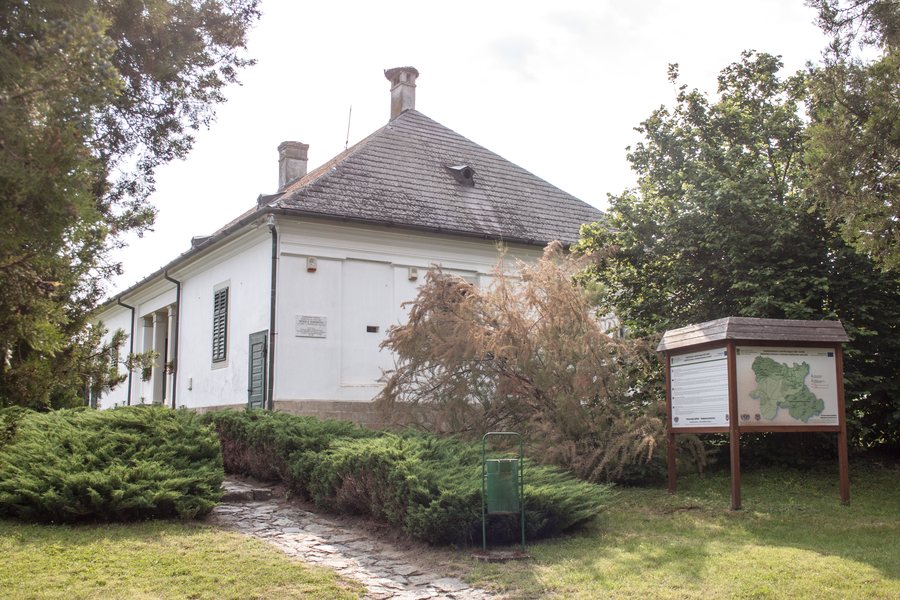
Szabolcs at a glance
The Reformed Church is an 11th-century Romanesque building and can only be visited by prior arrangement. The Szabolcs Earthwork Castle is part of a designated historic memorial site. The Mudrány Manor House is a late Baroque building dating from the end of the 18th century, and houses an exhibition. Szabolcsi Morotva-tó is a designated natural asset.
What makes the Reformed Church worth seeing?
The church combines a clear historical context with preserved interior details. It dates from the 11th century and is part of a designated historic memorial site. For visitors interested in medieval architecture, its place on the Route of Medieval Churches is also significant: the Reformed Church of Szabolcs is considered the route’s western gateway and is part of the Upper Tisza region’s important built heritage.
Inside the church, a Gothic sacristy door, a tabernacle and a carved baptismal font have been preserved. These three features give your visit a specific focus: alongside the Romanesque building itself, you can also take a closer look at individual furnishings. An important point to bear in mind when planning is the access requirement: visits are possible only by prior arrangement.
How is the history of the earthwork castle presented?
The Szabolcs Earthwork Castle is part of a designated historic memorial site. The Tomori Manor House now houses a visitor centre that presents the history of the castle. It also introduces visitors to the world of earthwork castles in the Carpathian Basin. The centre therefore covers more than local history, offering a connection to earthwork castles in a wider regional context.
Szabolcs’s Reformed visitor centre also serves tourist purposes. It brings together the village’s attractions—including the earthwork castle, Reformed Church and Mudrány Manor House—and introduces them to arriving tourists. If you’re looking for an overview of local attractions first, this is a useful starting point for making your own choices.
What other themes shape a stay?
The Mudrány Manor House offers a different cultural and historical perspective from the church and earthwork castle: it is a late Baroque building from the end of the 18th century, with an exhibition on display. If you’d like to compare different historical landmarks, you can include this later-period manor house alongside medieval church architecture and the earthwork castle. The Tomori Manor House, by contrast, serves as a visitor centre dedicated to presenting the earthwork castle.
Nature lovers can include Szabolcsi Morotva-tó, a designated natural asset, in their plans. Together with the village’s location on the Tisza, it provides a natural point of interest to consider when planning your trip, distinct from the cultural focus of the historic buildings and earthwork castle. To compare other destination pages, you can also find information about Tiszadob, Rakamaz, Tiszalök and Tiszavasvári.
What facilities are available at the Reformed visitor centre?
The Reformed visitor centre has a conference room for 80 to 100 people. It is suitable for talks, conferences and events.
FAQ
Can I visit the Reformed Church at any time?
No. Visits are possible only by prior arrangement.
What is presented at the visitor centre in the Tomori Manor House?
The centre presents the history of the Szabolcs Earthwork Castle and the world of earthwork castles in the Carpathian Basin.
What is known about the Mudrány Manor House?
It is a late Baroque building from the end of the 18th century, and an exhibition is on display in the manor house.
For the broader travel overview: Tiszavasvári.

