
Discover Miszla: Culture and Landscape
Accommodation in Miszla
Miszla combines historic architecture with a landscape of forests, meadows and lakes. The Miszlai-tó is part of this picture, along with traces of the village’s history.
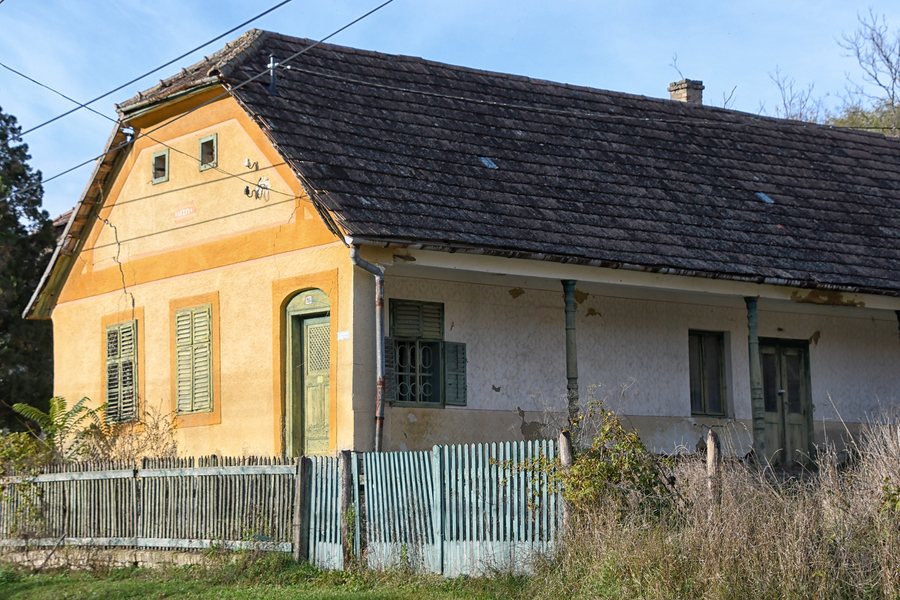 File:Miszla, hagyományos lakóház 2020 01.jpg
Photo: Pasztilla aka Attila Terbócs via Wikimedia Commons, CC BY-SA 4.0
File:Miszla, hagyományos lakóház 2020 01.jpg
Photo: Pasztilla aka Attila Terbócs via Wikimedia Commons, CC BY-SA 4.0
Quick facts about Miszla
The Galagonya Tájház was built at the beginning of the 20th century, displays features typical of the region’s folk architecture and is locally protected. Miszla is also home to the 1799 Trinity statue.
Forests, meadows and lakes surround the village; its bodies of water include the Miszlai-tó. The Borda-József local history collection is housed in the former kindergarten building on Fő utca.
Which cultural traces shape Miszla?
The Galagonya Tájház dates from the beginning of the 20th century, bears features of the folk architecture typical of the area and is locally protected. The Trinity statue, with the date 1799, offers a distinctly earlier point of reference. Together, these two details reflect different periods in Miszla’s cultural history.
Another local place to learn about the village’s history is the Borda-József local history collection. It is housed in a former kindergarten building on Fő utca. If you are planning a visit, check the relevant details before travelling.
What is the landscape around Miszla like?
Miszla is surrounded by forests, meadows and lakes. The Miszlai-tó is highlighted as a body of water with a distinctive atmosphere and is a clear landmark within this landscape. The description therefore connects the village not only with a single lake, but also with the broader landscape features surrounding Miszla.
These nature and culture themes offer different points of reference for planning your trip: you can explore Miszla through its landscape, historic buildings or local history.
What does the regional traditional dress tell us about Miszla?
The traditional dress of the villages along the Kapos-Koppány includes the pille, a distinctive head covering. Miszla is one of the villages mentioned. The pillék varied slightly from village to village in material and shape. The traditional dress thus showed slight differences from one village to another.
What else does the wider destination of Tolna offer?
The wider Tolna travel region offers other distinct cultural and nature themes. In Tamási, Tamási Termálfürdő features a sauna world, leisure pools and medicinal water. As specific facilities and opening hours may change, it is advisable to check these details before visiting.
The Pacsmag Lakes are an important Hungarian habitat for the strictly protected ferruginous duck, also known as cigányréce. In Szekszárd, the Babits Mihály Memorial House is housed in the more than two-hundred-year-old Kelemen House; it is a literary memorial site. Pipo Castle was built by Filippo Scolari, who came from Florence.
The Wosinsky Mór Museum in Szekszárd is open daily from 10 a.m. to 5 p.m., except Mondays; hours may vary on public holidays. Check the hours when planning your visit, especially if you intend to go on a public holiday. These destinations are part of the wider Tolna travel region and should be distinguished from the features of Miszla described here.
Discover more destinations: Magyarkeszi, Regöly, Kisszékely, Tamasi, Kalaznó, Nagykónyi, Szakadát, Hőgyész.
FAQ
Which historic buildings in Miszla are mentioned?
The Galagonya Tájház dates from the early 20th century, features regional folk architecture and is locally protected. The Trinity statue in Miszla dates to 1799.
Where is the Borda-József local history collection located?
It is located in Miszla, in the former kindergarten building on Fő utca. Check the details of a visit before planning your trip.
When is the Wosinsky Mór Museum open?
The museum in Szekszárd is open to visitors daily from 10 a.m. to 5 p.m., except Mondays. Opening hours may vary on public holidays.
For the wider travel overview: Tamási.

