
Discover Bögöte: Church, Castle and Views
Accommodation in Bögöte
You can explore Bögöte through its architectural and local history: a renovated Baroque church, the Horváth-kastély, a permanent exhibition on school history, and artworks in the main square and at the cultural centre. From the István-hegyi kilátó, the view stretches across the Somló wine-growing region and the Bakony Mountains.
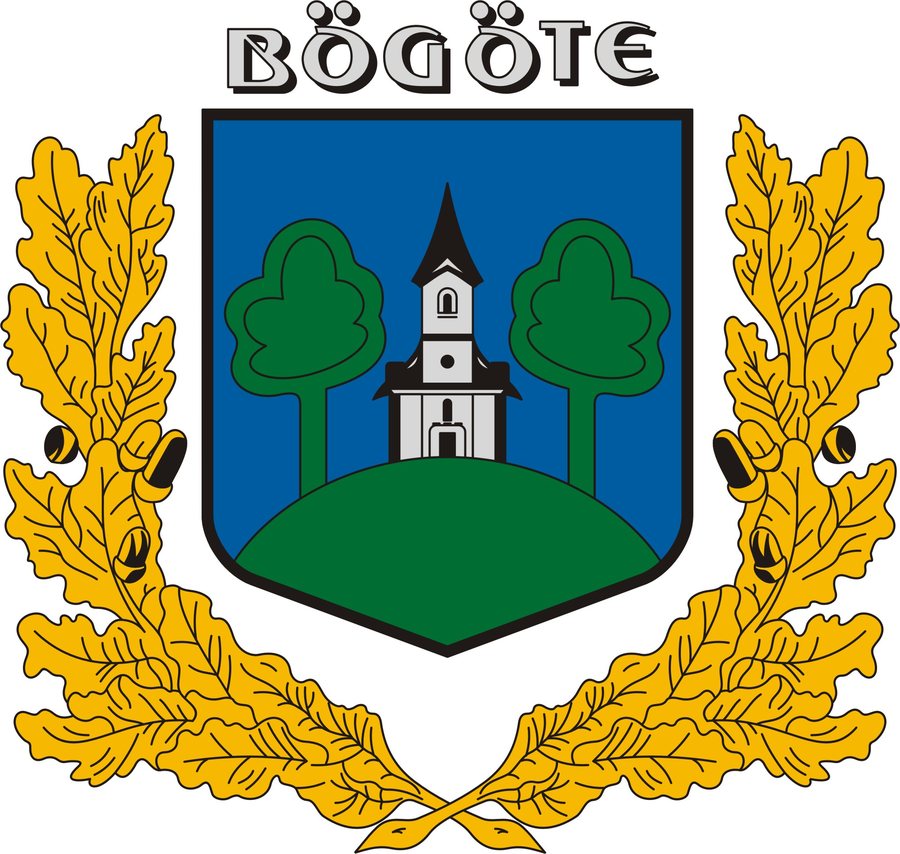
Key facts about Bögöte
- The Roman Catholic Keresztelő Szent János Church is a renovated Baroque church; Felsőbüki Czompó János had it built in 1756–1757.
- The Horváth-kastély in Bögöte was completed in 1875 in the eclectic style.
- The Batthyány Ervin Művelődési Ház houses a permanent exhibition on school history.
- The main square features a memorial statue to Ervin Batthyány and a drinking fountain carved from stone by Tamás Gaál.
- From the István-hegyi kilátó, the view stretches across the Somló wine-growing region and the Bakony Mountains.
What architectural history shapes Bögöte?
The Keresztelő Szent János Church and the Horváth-kastély offer two distinct architectural points of interest. The church is a Baroque religious building, commissioned by Felsőbüki Czompó János in 1756–1757. The castle, meanwhile, was completed in 1875 in the eclectic style. This distinguishes two different dates: 1756–1757 marks the construction of the church, while 1875 is the year the castle was completed.
The style terms also highlight different features. “Baroque” describes the style of the church; “eclectic” describes the design of the Horváth-kastély. Visitors interested in architectural history can therefore consider these two buildings in terms of their distinct styles and dates, without grouping them into a single historical period of construction.
Which artworks commemorate Ervin Batthyány?
Ervin Batthyány is represented in Bögöte in two ways: as the subject of a portrait and as the subject of a memorial statue. The portrait of Count Ervin Batthyány, created by Munkácsy Prize laureate Tamás Gaál, is on the wall of the Batthyány Ervin Művelődési Ház. Gaál’s memorial statue to Ervin Batthyány stands in the main square.
There is also a drinking fountain carved from stone by Tamás Gaál in the same square. The same artist is thus represented by a portrait in the cultural centre and a memorial statue and fountain in the main square. The three works differ in form and purpose: a portrait, commemorative art, and a stone-carved object in a public space.
What other local and landscape themes are there?
The Batthyány Ervin Művelődési Ház houses a permanent exhibition on school history. Its focus differs from that of the buildings and artworks: here, the history of the school takes centre stage. Together with the portrait on the wall, the cultural centre therefore offers both a connection to school history and an artistic link to Ervin Batthyány.
The István-hegyi kilátó shifts the focus from architecture and culture to the landscape. From there, the view stretches across the Somló wine-growing region and the Bakony Mountains. These are two clearly identified sights: a wine-growing region and a mountain range. This change of perspective adds a landscape dimension to the local history, without equating the view with the cultural themes.
What other themes does the wider destination of Northern Balaton offer?
The wider destination of Northern Balaton also offers other thematic attractions. Boat trips are available in the Tapolcai-tavasbarlang, which also has a guided exhibition, “Csodálatos karszt” (“Wonderful Karst”). The cave is part of an underground cave system beneath the town that has so far been explored for 14.6 kilometres.
Another regional attraction is Hegyestű, a 337-metre-high mountain between Zánka and Monoszló. The inner face of a basalt volcano that was active about 8 million years ago is exposed there. From the lookout point at the western edge of the quarry, visitors can identify the surrounding hills using a panoramic information board. Hegyestű also has a rock garden featuring characteristic rock types of Transdanubia, the western half of Hungary. Thus, alongside Bögöte’s architectural and art history, the wider destination of Northern Balaton offers distinct geological and underground attractions.
Discover more destinations: Zsédeny, Szeleste, Sótony, Sitke, Sarvar, Bögöt, Hosszúpereszteg, Rábapaty.
FAQ
What does the permanent exhibition at the Batthyány Ervin Művelődési Ház show?
It focuses on school history. The cultural centre also houses Tamás Gaál’s portrait of Count Ervin Batthyány.
Which works by Tamás Gaál can be found in Bögöte?
A portrait of Count Ervin Batthyány is on the wall of the cultural centre. The main square features a memorial statue to him and a drinking fountain carved from stone by Gaál.
What can you see from the István-hegyi kilátó?
From there, the view stretches across the Somló wine-growing region and the Bakony Mountains.
To the overview of the wider destination: Sárvári.

