
Felsőörs: Nature, Geology and Culture
Accommodation in Felsőörs
Malom-völgy and Forrás-hegy highlight nature and geology in Felsőörs, while a local history exhibition and a historic organ offer cultural points of interest.
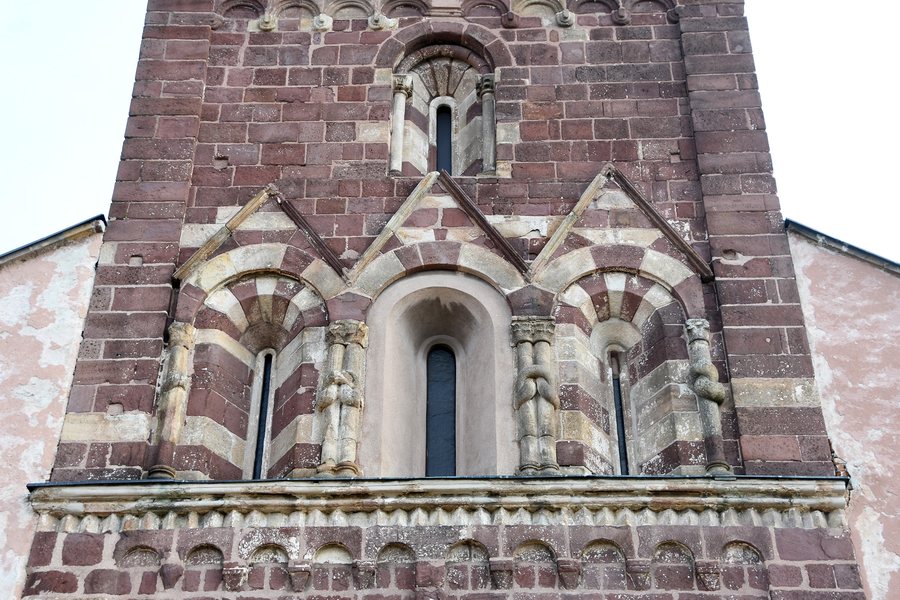 File:Felsőörs, római katolikus templom 2022 04.jpg
Photo: Pasztilla aka Attila Terbócs via Wikimedia Commons, CC BY-SA 4.0
Felsőörs at a glance
- Malom-völgy is a locally protected natural area within the administrative boundaries of Felsőörs.
- Malom-völgy has travertine barriers, small waterfalls and rock formations such as Miske-szikla.
- A nature trail in the northwestern part of the village explores the geological, palaeontological and stratigraphic features of a former quarry.
- A local history exhibition can be visited at Civilház during opening hours by prior appointment.
What nature themes define Felsőörs?
Malom-völgy brings together a range of landscape features in a small area. Along the streambed, there are travertine barriers, small waterfalls and distinctive rock formations in many places. These include Miske-szikla. The nature trail in the valley complements these natural features with information boards about springs, geological conditions, birdlife and important tree species. The focus is therefore on both the landscape and its natural connections.
The Forrás-hegy Geological Nature Trail is in the northwestern part of Felsőörs. It explores the geological, palaeontological and stratigraphic features of a former quarry. Palaeontology is the study of fossils; stratigraphy is the study of the sequence of rock layers. These terms offer an accessible guide to the features of the quarry highlighted along the trail.
The area around Forrás-hegy is popular with hikers, nature enthusiasts and researchers. Felsőörs thus offers different ways to explore its natural environment: the streambed and its formations in Malom-völgy, and the geological features of a former quarry at Forrás-hegy.
What cultural visits are possible?
Civilház in Felsőörs houses a local history exhibition in the rooms of the old smoke kitchen. Visits are possible during opening hours by prior appointment. Be sure to arrange your visit in advance. The exhibition offers a different focus from the nature trails: here, local history takes centre stage, rather than geology or landscape studies.
Another notable cultural heritage feature is the historic organ at the Bűnbánó Magdolna prépostsági templom. This rare instrument has been preserved in its original condition. Its keyboard is at the rear of the case and is not aligned perpendicular to the façade. This unusual arrangement makes the organ particularly interesting to travellers who are curious not only about its preservation but also about the construction of historic instruments.
How can you factor local attractions into your hotel choice?
Start your search by asking which themes interest you most in Felsőörs: observing nature and exploring geological features, or local history and a preserved historic instrument. This can help structure your search for a hotel in Felsőörs without conflating the different attractions. Remember that a prior appointment is required to visit the exhibition.
What other nature-related attractions does the North Balaton region offer?
In the wider North Balaton travel destination, Tapolcai-tavasbarlang offers a different perspective on geology: boat trips are available, as is the guided “Csodálatos karszt” (“Wonderful Karst”) exhibition. The cave is part of an underground cave system beneath the town, which has been explored to a length of 14.6 kilometres so far. This underground world differs in theme from the paths and landscape features of Felsőörs.
Hegyestű is also in the wider North Balaton travel destination. This 337-metre-high mountain lies between Zánka and Monoszló. The quarry face reveals the interior of a basalt volcano that was active around 8 million years ago. At the western edge of the quarry site, visitors can identify the surrounding hills with the help of a panorama board; Hegyestű also has a rock garden featuring characteristic rock types of Transdanubia. This regional comparison offers another geological point of reference, while the description of Felsőörs remains focused on Malom-völgy and Forrás-hegy.
For a broader comparison of places, you can also view the profiles of Balatonfüzfö, Balatonalmádi, Szentkirályszabadja, Balatonfőkajár, Alsöörs, Litér, Csajág and Balatonvilágos.
FAQ
What nature themes can you explore in Felsőörs?
Malom-völgy has travertine barriers, small waterfalls and rock formations such as Miske-szikla; information boards cover topics including springs, birdlife and tree species. The Forrás-hegy Geological Nature Trail focuses on the features of a former quarry.
How are visits to Civilház organised?
The local history exhibition in the old smoke kitchen can be visited during opening hours by prior appointment. Please arrange your visit in advance.
What is special about the historic organ?
It is rare and has been preserved in its original condition. Its keyboard is at the rear of the case and is not aligned perpendicular to the façade.
For the wider travel overview: Balatonalmádi.

