
Discover Rezi: Winegrowing and Stone Culture
Accommodation in Rezi
Winegrowing history and sandstone shape Rezi’s handed-down stories and buildings. Here you’ll find ideas for exploring the town according to your interests and guidance for finding accommodation.
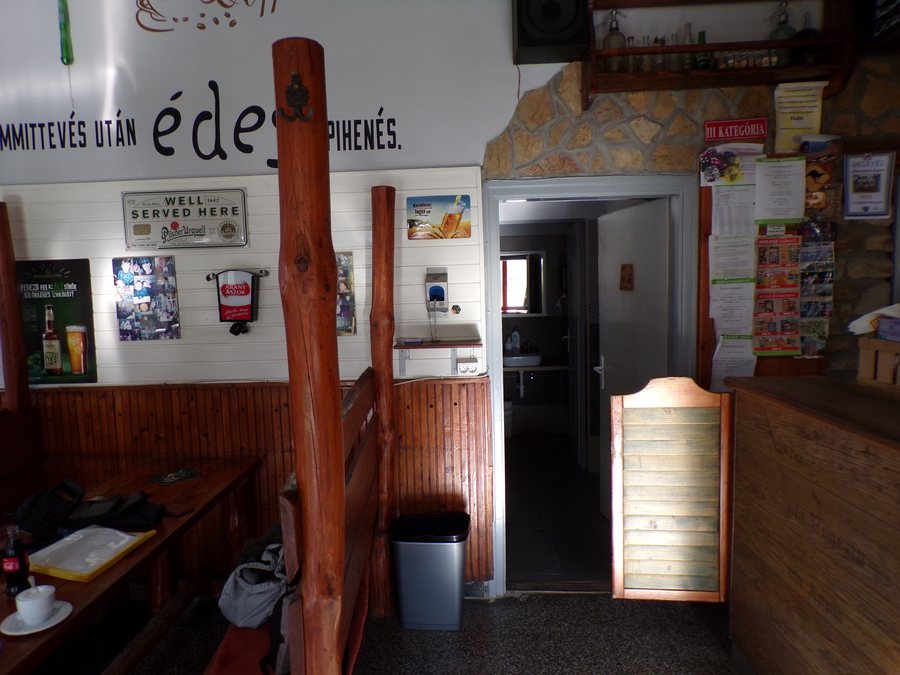 File:Országos Kéktúra pecsételőhely Rezi (OKTPH 21 2).jpg
Photo: Németh Tamás via Wikimedia Commons, CC BY-SA 4.0
File:Országos Kéktúra pecsételőhely Rezi (OKTPH 21 2).jpg
Photo: Németh Tamás via Wikimedia Commons, CC BY-SA 4.0
Rezi at a glance
- In the mid-19th century, Rezi’s parish priest, Ambrus Mihály, encouraged the first Riesling cultivation.
- Winegrowing, winemaking, and the gastronomy associated with them continue to play an important role in preserving local traditions.
- In the 19th century, a significant stone industry developed based on local sandstone.
- Several statues and stone crosses from the first half of the 19th century still stand in Rezi today.
- The Hídi-Pihenőhely features a yoga park beneath shady trees, designed for outdoor relaxation.
What does Rezi’s winegrowing history tell us about the town?
The local winegrowing tradition dates back at least to the mid-19th century. At that time, Rezi’s parish priest, Ambrus Mihály, taught residents the proper way to grow grapes and encouraged the first Riesling cultivation. Riesling became a defining feature of the landscape, giving the area the name “Rizlingország.” Winegrowing and winemaking are not just historical topics: today, together with the gastronomy associated with them, they continue to play an important role in preserving Rezi’s traditions.
An association organizes educational and tourism programs to preserve these traditions and the cultural values of Rezi’s vineyards, as well as to present and promote winegrowing, wine culture, and local heritage. A specific example from the past is Nyitott Pincék Éjszakája, held on August 1, 2020. Visitors could sample wines from local wineries and dishes prepared according to artisanal traditions, and learn about Rezi’s wine, gastronomy, and agricultural traditions.
What traces did sandstone work leave behind?
In the 19th century, a significant stone industry developed in Rezi based on local sandstone. Several statues and stone crosses from the first half of the 19th century still stand as reminders of this craft heritage. The cemetery behind the church also contains ornately crafted tombstones made of Rezi sandstone that are over 100 years old.
The cemetery wall also preserves traces of the past: the oldest abandoned objects were built into its retaining wall to protect them from decay and beautify the cemetery entrance. Several stone crosses were erected around the turn of the century along the hill path to Szent-Donát Chapel. Most were made by local craftsmen from sandstone found in the area.
Another historic building is the thatched-roof Gyöngyösi betyárcsárda below Almástető. Built in the early 18th century as an estate tavern, it was still being used as a csárda around 200 years ago.
What experiences suit your interests?
For a quiet break outdoors, the Hídi-Pihenőhely offers a yoga park beneath shady trees, designed for relaxation. Those interested in hiking can find mountain trails suitable for walking in the area around Rezi Castle. These offer two different kinds of experiences: relaxing among greenery and hiking on mountain trails.
What other topics does the wider Zala destination offer?
Beyond Rezi, the wider Zala destination offers other ideas in their own right. The Zalai Borvidék wine region stretches across the hillsides and plateaus of the Zalai-dombság and the northwestern slopes of the Keszthelyi-hegység; it comprises two wine-growing districts and 38 settlements.
Other Zala highlights include the Kotsy-vízimalom in Zalaszántó, where a 390-centimeter overshot waterwheel mechanism is in operation, and Kis-Balaton. This strictly protected wetland is Zala’s largest, covering 14,745 hectares; it is also the setting for István Fekete’s novels “Tüskevár” and “Téli berek.” As a seasonal event, the Water Buffalo Festival is held every year in May or June at the Kápolnapuszta Bivalyrezervátum.
Discover more destinations: Felsőpáhok, Nemesbük, Alsópáhok, Hévíz, Cserszegtomaj, Sármellék.
FAQ
What role does winegrowing play in Rezi?
In the mid-19th century, Rezi’s parish priest, Ambrus Mihály, taught winegrowing and encouraged the first Riesling cultivation. Winegrowing, winemaking, and the associated gastronomy continue to help preserve local traditions.
What historical traces of the stone industry can be found?
Several statues and stone crosses from the first half of the 19th century still stand in Rezi. The cemetery behind the church also contains tombstones made of Rezi sandstone that are over 100 years old.
What is known about the Gyöngyösi betyárcsárda?
The thatched-roof csárda below Almástető was built in the early 18th century as an estate tavern and was still being used as a csárda around 200 years ago.
What outdoor activities are mentioned?
The Hídi-Pihenőhely features a yoga park beneath shady trees for relaxation. Mountain trails in the area around Rezi Castle are suitable for hiking.
See the wider travel overview: Hévízi.

.jpg)