
Discover Sormás: Churches and Cycling Route
Accommodation in Sormás
A central sculpture park, late Baroque churches, and a recommended cycling route give Sormás a clear cultural and active-travel focus.
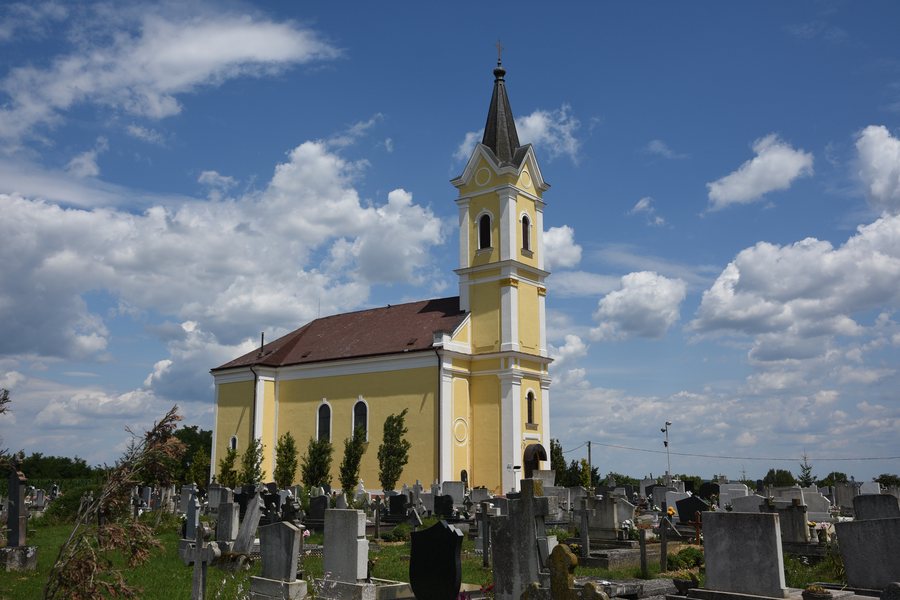
Sormás at a glance
The sculpture park is located in the center of Sormás and serves as a memorial to historical events. The municipality invites families to visit the late Baroque Roman Catholic church. In 2019, a cycling route was recommended from Sormás via Szepetnek, Semjénháza, Molnári, and Tótszerdahely to Letenye.
What cultural experiences does Sormás offer?
The sculpture park in the town center offers a quiet focus on remembrance: it serves as a memorial to historical events. This lets you include a place of remembrance in your stay without needing an extensive sightseeing itinerary. Its central location makes it an easily identifiable landmark within the town.
The churches also offer a reason to explore Sormás from a cultural and historical perspective. The late Baroque Roman Catholic church is recommended as a destination for a family visit. The Szent Rókus-templom is also located in Sormás and was built in the 18th century in the late Baroque style. Its construction dates are given differently: 1752 is cited as the year it was built, while some sources place the construction around 1790. If you are interested in architectural history, consider this discrepancy part of the historical record rather than treating either date as undisputed.
How should you think about the cycling route?
A recommendation dated December 2, 2019, describes a cycling route from Sormás via Szepetnek, Semjénháza, Molnári, and Tótszerdahely to Letenye. The sequence of towns gives you a specific outline for planning your own route and shows which stops are linked in the recommendation. It should be considered a route suggestion from that time. If you are considering the route for your trip, check the current information relevant to your plans before setting out.
This gives you two distinct options for planning your day: cultural and historical sites in Sormás, and a longer cycling route with several named stops. You can take both into account when deciding whether the town suits the interests of your travel group.
What else does the wider destination of Zala have to offer?
For a broader view of the wider destination of Zala, regional landscapes and cultural sites add to the local picture. The Zalai Borvidék extends across the slopes and uplands of the Zalai-dombság and the northwestern slopes of the Keszthelyi-hegység. It includes two wine-growing districts and 38 settlements.
Zala also offers a variety of nature experiences. Kis-Balaton is Zala’s largest body of water, is strictly protected, and covers 14,745 hectares. It is also the setting for István Fekete’s classic novels Tüskevár and Téli berek. In spring, the Azáleás-völgy in Zalaegerszeg’s Alsóerdő offers a special attraction for day-trippers. These examples represent different ways to experience the region: a protected waterscape, literary connections, and a seasonal nature experience.
Other regional attractions include the water buffalo festival held annually in May or June at the Kápolnapuszta Bivalyrezervátum; the exact festival dates may vary from year to year. Visitors to the reserve may pet tame animals every day during opening hours. A 1.5-kilometer walking trail with rest areas and viewpoints offers another way to explore the grounds. If you include examples like these in your regional plans, check the relevant festival dates and opening hours in advance.
Discover more destinations: Magyarszerdahely, Újudvar, Nagybakónak, Pölöskefő, Nagykanizsa, Nagyrécse.
FAQ
What can families visit in Sormás?
The municipality invites families to visit the late Baroque Roman Catholic church. The sculpture park, which serves as a memorial to historical events, is also located in the center.
How is the Szent Rókus-templom dated?
The church was built in the 18th century in the late Baroque style. One source gives 1752 as the year it was built; some sources place its construction around 1790.
Which places does the recommended cycling route connect?
The recommendation dated December 2, 2019, runs from Sormás via Szepetnek, Semjénháza, Molnári, and Tótszerdahely to Letenye. It should be considered a route suggestion from the recommendation dated December 2, 2019.
For the wider travel overview: Nagykanizsai.

