
Discover Baktüttös: History and the Harangláb
Accommodation in Baktüttös
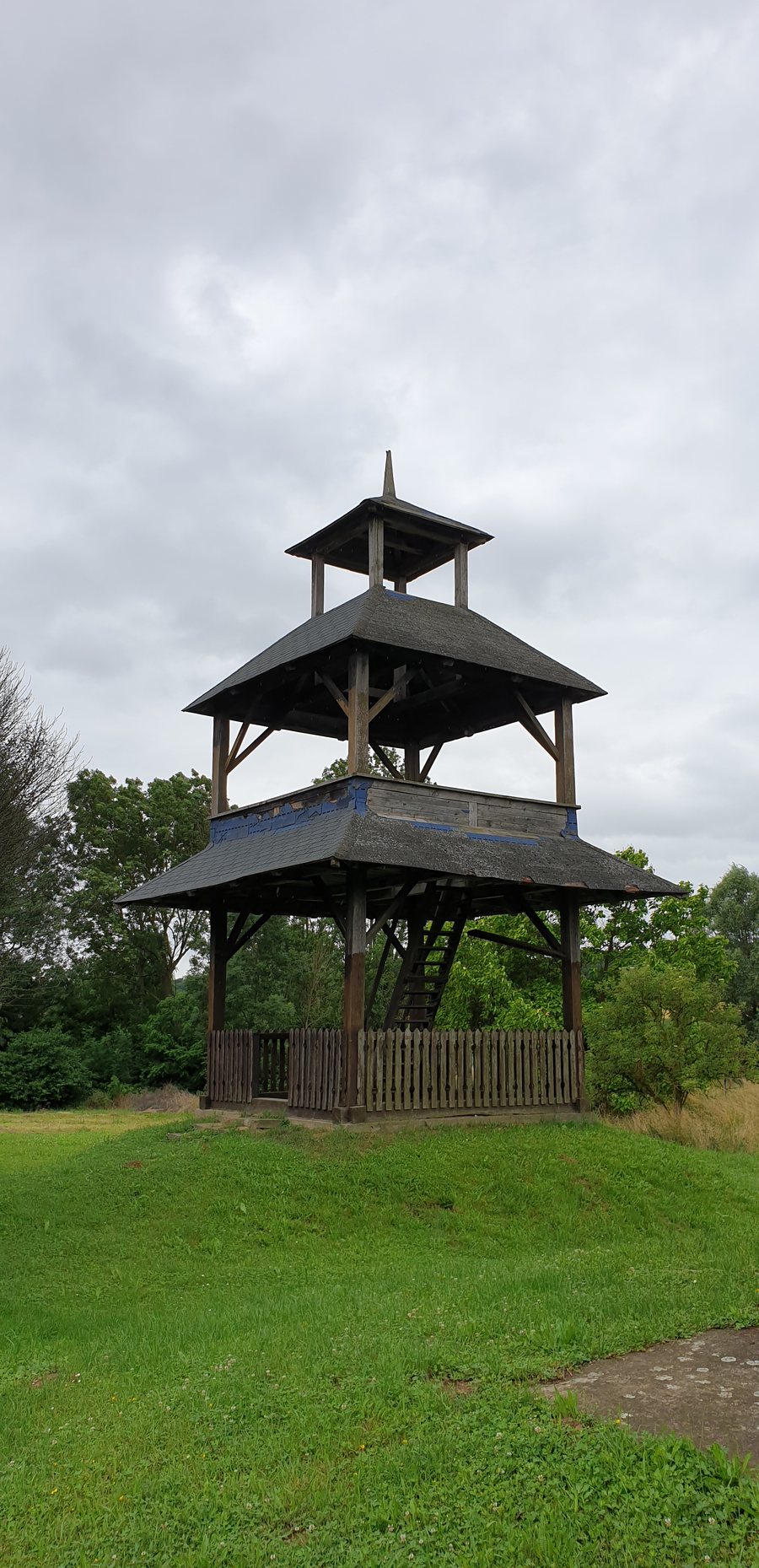
The Harangláb gives Baktüttös’s local history a concrete point of reference in time. Its construction, present location, bell and later renovation form a clear sequence.
Baktüttös at a glance
- The Harangláb was built in the late 19th century.
- It has stood at its current location since 1918.
- Devout members of the Baktüttös community had its bell cast in 1922.
- The Harangláb was fully renovated in 2014.
What does this timeline tell us about Baktüttös?
The dates mark different stages: the late 19th century refers to its construction, while 1918 marks the start of its presence at its current location. This distinction keeps the building’s history separate from its location history. The bell adds another, community-based dimension: devout members of Baktüttös had it cast in 1922. The full renovation in 2014 came as a much later stage. Taken together, these details do not point to a single founding date, but rather to a sequence of construction, relocation, local initiative and renewal.
For travelers interested in local history, the appeal lies precisely in this progression over time: each date can be assigned to a different phase. The details about the Harangláb thus make it a clear cultural landmark for Baktüttös, without confusing construction, location history and renovation.
What regional contrasts does Zala offer?
In the wider travel destination of Zala, landscapes and regional culture complement the local history of Baktüttös. The Zalai Borvidék developed in Zala on the slopes and plateaus of the Zalai-dombság and on the northwestern slopes of the Keszthelyi-hegység. It comprises two wine-growing districts and 38 settlements. Its size and organization offer a different scale from the history of a single building.
Another highlight in Zala is the Kis-Balaton, the region’s largest body of water. It is strictly protected and covers 14,745 hectares. The Kis-Balaton is also the setting for István Fekete’s classic novels Tüskevár and Téli berek. Nature and literature thus offer two distinct ways to explore this regional theme.
Historic buildings add their own distinctive features: the Festetics kastély in Keszthely is Hungary’s fourth-largest castle and has 101 rooms. The ruins of Rezi vár stand atop a 418-meter-high dolomite ridge of Meleg-hegy, overlooking the Zalaszántó Basin. These examples combine architectural history with striking landscape settings and differ thematically from the Harangláb in Baktüttös.
Which experiences depend on the season or opening hours?
The Kápolnapuszta Bivalyrezervátum can be explored via a 1.5-kilometer walking trail with rest areas and viewpoints. During opening hours, visitors can pet the tame animals every day. The Water Buffalo Festival is held at the reserve every year in May or June; as the exact date can vary from year to year, check the latest event details before planning your visit.
These details answer different planning questions: the trail is described by its length and rest areas, animal encounters are available during opening hours, and the festival takes place at a seasonal time. This makes it possible to distinguish between a walk, a visit involving animal encounters and an event in Zala, rather than treating them as a single offering.
How do you choose a theme for your trip?
If local history is your main interest, the Harangláb in Baktüttös offers a concrete sequence of construction, location, bell and renovation. In the wider travel destination of Zala, other themes include wine country, protected nature, literature and historic buildings. This distinction can help you decide how Baktüttös and the broader regional perspective fit with your own travel interests.
Discover more destinations: Lickóvadamos, Szentkozmadombja, Kustánszeg, Gősfa, Pusztaszentlászló, Zalalövő, Dobronhegy, Bagod.
FAQ
When was the Harangláb built, and how long has it stood there?
It was built in the late 19th century and has stood at its current location since 1918.
What is known about the Harangláb’s bell?
Devout members of the Baktüttös community had it cast in 1922.
What regional experiences does Zala offer?
The Kápolnapuszta Bivalyrezervátum has a 1.5-kilometer walking trail; the Water Buffalo Festival is held every year in May or June. Visitors can pet the animals during opening hours, and the exact festival dates may vary.
For the wider travel overview: Zalaegerszegi.

