
Pusztaederics – Routes and Chapel History
Accommodation in Pusztaederics
Visitors considering Pusztaederics as a travel destination will find two distinct points of interest: the routes listed in a 2012 programme and a chapel with medieval origins and a history of Baroque reconstruction. When planning your trip, it is worth distinguishing these local themes from the wider range of options in the broader destination of Zala.
Pusztaederics at a glance
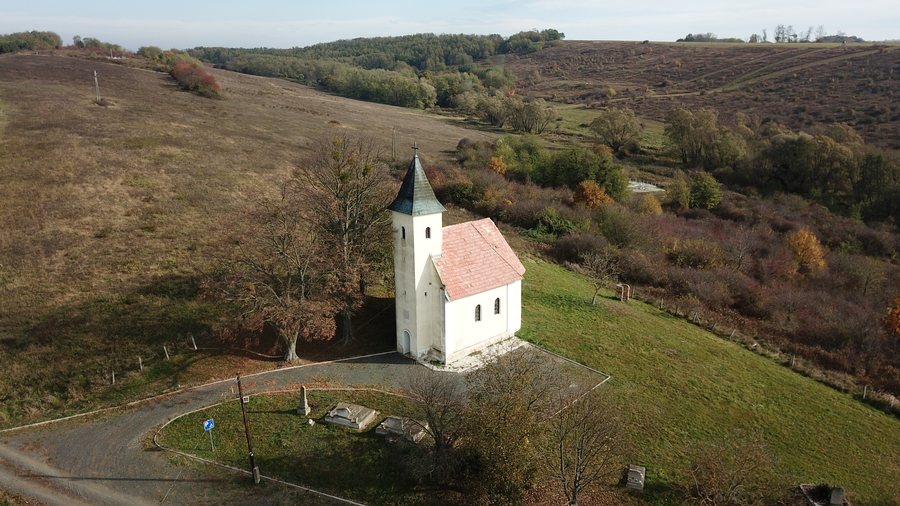
- The Szent Őrangyalok Chapel is in Pusztaederics-Szompácspuszta and was built as a parish church in the mid-13th century.
- A regional tourism programme from 2012 lists the Zöld Túra and the Zöld Kereszt.
- The chapel’s dedication festival takes place on the first Sunday in September.
How do the routes described differ?
The Zöld Túra was listed as a route from Pusztaederics via Ketvég, Gyorósi Forest, Miskei Forest and Tompai Forest to Alsóhahót on Route 74. The Zöld Kereszt connects Pusztaederics with Bezerédi Forest. The routes described in the programme therefore differ mainly in the places and forest areas named. For both routes, the programme names Söjtöri SE / Zöld Klub as the responsible organisation.
This information reflects the status of the regional tourism programme in 2012. Check the current route status before setting out. This will help you put the routes as recorded into context when planning, without treating the description from that time as confirmation of today’s route.
What does the chapel tell us about local history?
The Szent Őrangyalok Chapel in Pusztaederics-Szompácspuszta was built in the mid-13th century as the parish church of the village of Szompács. After the destruction during the Turkish occupation, it was rebuilt in the Baroque style in 1755; parts of the Romanesque foundations have survived. The building thus reveals two clearly distinct historical phases: its medieval foundation and its Baroque renewal.
The chapel’s dedication festival falls on the first Sunday in September and is one of the most important local traditions. If you would like to plan your trip around this date, check the specific event details for the year in question. Local history also includes the former manor house of smallholder Hári Kálmán. It now houses a community centre, the mayor’s office, a library, a telehouse, a cultural hall, a doctor’s office and an ecumenical prayer room. These uses may change.
What other themes does the wider destination of Zala offer?
In the wider destination of Zala, Kis-Balaton offers a different perspective on the landscape. It is Zala’s largest body of water, is strictly protected and covers 14,745 hectares. It is also the setting for István Fekete’s classic novels Tüskevár and Téli berek. In Zala, this brings together a protected natural area and a literary tradition.
Zalai Borvidék is also part of the wider destination of Zala. It developed on the slopes and plateaus of the Zalai-dombság and on the northwestern slopes of the Keszthelyi-hegység. The wine region comprises two wine districts and 38 settlements. These offer a broader comparison when deciding on your trip: local routes and chapel history on the one hand, and other landscape and cultural themes in the wider destination of Zala on the other.
How should you plan your accommodation?
When choosing a hotel, the first thing to consider is the scope of your trip: do you want to focus on Pusztaederics and its local routes and cultural attractions, or would you prefer a broader look at the wider destination of Zala?
Discover other destinations: Zalalövő, Vasboldogasszony, Hottó, Csöde, Egersee, Kiskutas, Vaspör, Iborfia.
FAQ
When is the chapel’s dedication festival?
It takes place on the first Sunday in September and is one of the important local traditions.
How did the Szent Őrangyalok Chapel develop?
It was built in the mid-13th century as the parish church of the village of Szompács. In 1755, after the destruction during the Turkish occupation, it was rebuilt in the Baroque style; parts of the Romanesque foundations have survived.
What functions does the former manor house serve today?
The former manor house of smallholder Hári Kálmán now houses, among other things, a community centre, the mayor’s office, a library, a cultural hall, a doctor’s office and an ecumenical prayer room. These uses may change.
For the wider destination overview: Zalaegerszegi.

