
Kiskutas: Hilltop Views and Cultural Heritage
Accommodation in Kiskutas
Kiskutas combines sweeping views from the hilltops with historic buildings in Kálócfapuszta. The features of the town help you consider the landscape and architecture as distinct points of interest when planning your trip.
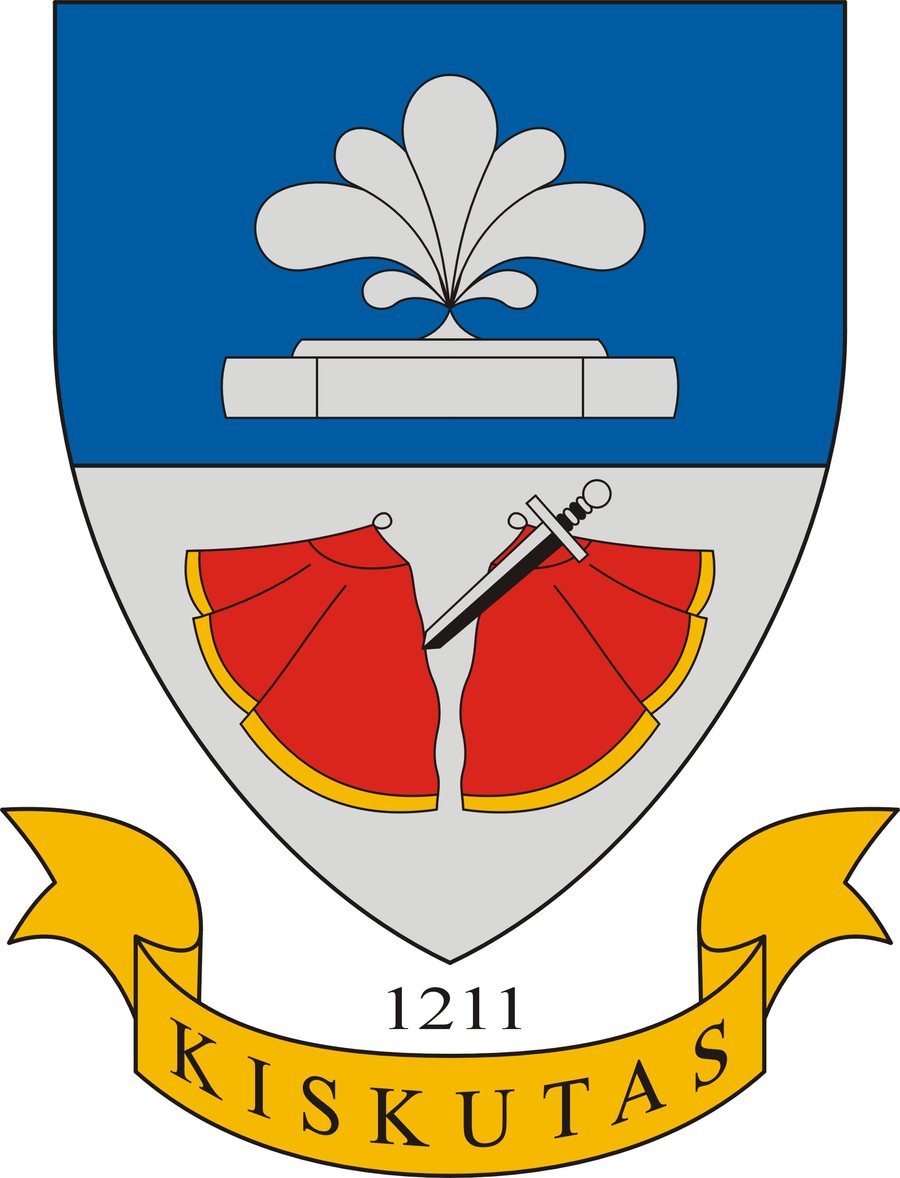 File:HUN Kiskutas COA.jpg
Photo: Nemzeti Fejlesztési Minisztérium via Wikimedia Commons, Public domain
File:HUN Kiskutas COA.jpg
Photo: Nemzeti Fejlesztési Minisztérium via Wikimedia Commons, Public domain
Kiskutas at a glance
- From the ridges of the Kiskutas Hills, you can look out over the surrounding area.
- Kálócfapuszta is part of Kiskutas.
- The Barokk kúria in Kálócfapuszta was built by the Farkas family in 1753. This dating is based on the year inscribed on the façade.
- Kálócfapuszta is also home to the Szűz Mária kápolna, a freestanding, east-facing, single-nave chapel with a polygonal chancel and a tower in front of the west façade.
What shapes the impression of the landscape?
The ridges of the Kiskutas Hills offer views of the surrounding area. The landscape is therefore a point of reference when considering which aspects of the town interest you. The views from the hilltops and the building history of Kálócfapuszta represent different sides of the destination: one is about the impression of the surroundings, the other about specific historical and architectural features.
When planning your trip, you can consider these two points of interest separately rather than assuming a particular type of stay. If you are mainly interested in experiencing the landscape, the hilltop views are a useful point of reference. If you are interested in architectural history, the kúria and the chapel offer precise features that help you explore the local cultural heritage in more detail.
What architectural history can you discover in Kálócfapuszta?
The Barokk kúria is associated with a specific year and a builder family: the Farkas family had it built in 1753. The year on the façade is the basis for this dating. This makes it possible to connect the historical information directly with the building, without conflating it with the chapel’s distinct features.
The Szűz Mária kápolna is described by its architectural form. “East-facing” means that it is oriented toward the east; “single-nave” refers to its single nave. Other features include the polygonal end of the chancel and the tower in front of the west façade. These details give visitors interested in architecture specific points to consider. Together with the kúria’s year of construction, they show that Kálócfapuszta’s cultural heritage can be explored both through a historical date and through the form of a religious building.
How does Kiskutas fit into the wider destination of Zala?
The wider destination of Zala offers a broader regional context. The Zalai Borvidék wine region developed in Zala on the slopes and plateaus of the Zalai-dombság, as well as on the northwestern slopes of the Keszthelyi-hegység. It comprises two wine-growing districts and 38 settlements. This expansive landscape and wine connection is a distinct regional theme alongside Kiskutas’s specific features.
Another regional highlight is the Kis-Balaton: it is Zala’s largest body of water, is strictly protected, and covers 14,745 hectares. It is also the setting for István Fekete’s classic novels Tüskevár and Téli berek. For a seasonal perspective, the Azáleás-völgy in Zalaegerszeg’s Alsóerdő offers a special spring attraction for day-trippers. The wine landscape, protected wetland, and spring blossom are distinct themes within the wider destination of Zala.
Which focus suits your search for accommodation?
If you are looking for a hotel in Kiskutas, you can first consider whether you are mainly interested in the views from the hilltops or the architectural history of Kálócfapuszta. These two topics offer different points of reference for understanding the character of the town as you plan your trip. Zala’s other landscape and cultural themes provide a regional point of comparison; they should not be equated with Kiskutas’s individual features.
Discover more destinations: Vasboldogasszony, Iborfia, Hottó, Szentkozmadombja, Bagod, Gősfa, Nagykutas and Becsvölgye.
FAQ
What can you see from Kiskutas’s hilltops?
From the ridges of the Kiskutas Hills, you can look out over the surrounding area.
What historic buildings are there in Kálócfapuszta?
The Barokk kúria, built by the Farkas family in 1753, and the Szűz Mária kápolna, with its polygonal chancel and tower in front of the west façade, are located there.
What themes are part of the wider destination of Zala?
Regional themes include the Zalai Borvidék wine region, the Kis-Balaton, and the Azáleás-völgy in Zalaegerszeg, which is worth seeing in spring. They complement Kiskutas’s local features with a broader perspective on Zala.
See the wider travel overview: Zalaegerszegi.

