
Zalasárszeg: Wine and Orchard Hills and Local Remembrance
Accommodation in Zalasárszeg
Zalasárszeg can be discovered through two wine and orchard hills and a specific memorial site. These local features provide a sense of the place, while examples from the broader destination of Zala offer a wider regional perspective.
Quick facts about Zalasárszeg
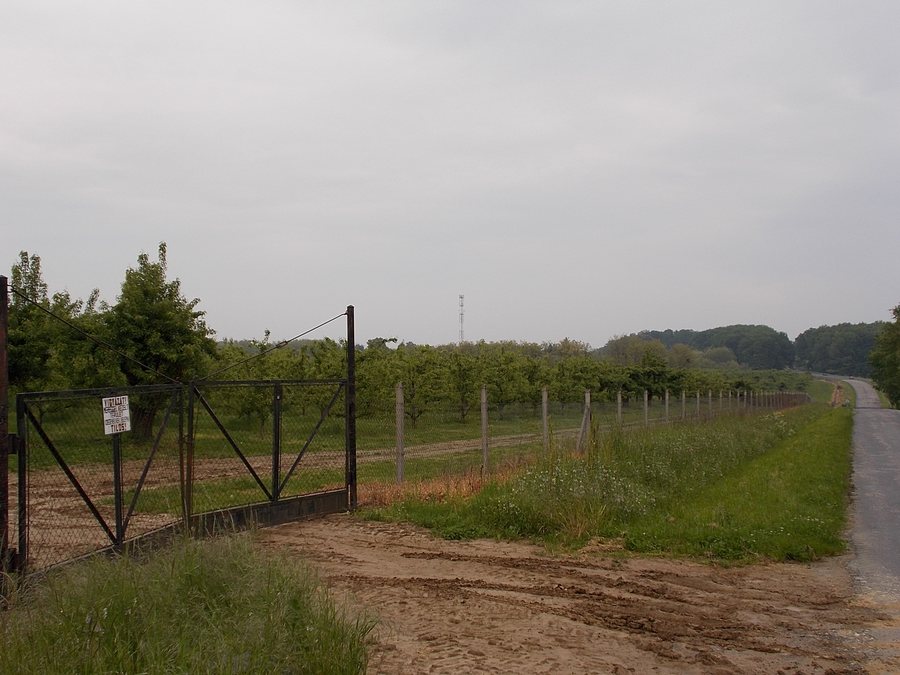
- The hills of Anna-hegy and Kánnár-tető, directly associated with Zalasárszeg, are characterized by vineyards and orchards.
- In the courtyard of the municipal building at Dózsa tér 6, there is a wayside cross with a marbled memorial plaque installed in 1993.
- The brick ruins of Zalasárszeg’s church were still visible in 1754.
How do the hills shape the town?
Anna-hegy and Kánnár-tető are the two wine and orchard hills directly associated with Zalasárszeg. They are home to cellars and holiday homes, and several people now live there permanently. This landscape therefore includes gardens, holiday homes, and permanent residences. The two hills offer a tangible point of reference when exploring the character of the town.
For travel planning, this creates a local focus: Zalasárszeg is defined by its named hills and how they are used, rather than being just a place name on a map. If you’re looking for a hotel in Zalasárszeg, these distinctive features can help guide your choice of destination and distinguish it from the broader themes of the destination of Zala.
What tangible traces of the town’s history remain?
A wayside cross stands at one corner of the courtyard of the municipal building at Dózsa tér 6. There is a marbled plaque on its lower section, installed in 1993. It bears the names of the local residents who fell in the war. The named location and inscription give the memorial a clear connection to the town.
An older trace is the brick church: its ruins were still visible in 1754. This date describes a historical point in time. The memorial plaque and the church ruins thus refer to different periods in the town’s history: the ruins visible at that time and the memorial plaque installed in 1993.
What broader landscape themes does Zala offer?
In the broader destination of Zala, the Zalai Borvidék offers a regional perspective on winegrowing. It developed on the slopes and plateaus of the Zalai-dombság and on the northwestern slopes of the Keszthelyi-hegység. The area includes two wine-growing districts and 38 settlements. This scale differs from the two hills directly associated with Zalasárszeg: the description of the town remains local, while the Borvidék encompasses a broader regional context.
The Kis-Balaton has a different landscape character in the broader destination of Zala. It is Zala’s largest body of water, is strictly protected, and covers 14,745 hectares. It is also the setting for István Fekete’s classic novels Tüskevár and Téli berek. Its natural landscape, protected status, and literary connection offer a different focus from Zalasárszeg’s wine and orchard hills.
What regional experiences can be compared?
In the broader destination of Zala, the Kotsy-vízimalom in Zalaszántó offers a glimpse of historical technology: visitors can see a 390 cm overshot waterwheel mechanism in operation. The Kápolnapuszta Bivalyrezervátum offers a different kind of experience. A 1.5-kilometer walking trail with rest areas and viewpoints leads through the reserve. During opening hours, visitors can pet the tame animals every day.
The water buffalo festival is another example from the region: it takes place every year in May or June at the Kápolnapuszta Bivalyrezervátum. As the date may vary from year to year, it is advisable to check the dates for your planned travel year. The mill, walking trail, and festival appeal to different interests; they are examples from the broader destination of Zala, not features of Zalasárszeg itself.
Discover more destinations: Miháld, Balatonmagyaród, Zalamerenye, Gelse, Galambok, Zalaszabar, Kisrécse, Nagyrada.
FAQ
What does the memorial plaque on the wayside cross say?
The marbled plaque lists the local residents who fell in the war. It was installed in 1993 on the lower section of the wayside cross in the courtyard of the municipal building at Dózsa tér 6.
What is known about the church in Zalasárszeg?
The church was built of brick. Its ruins were still visible in 1754.
What characterizes Anna-hegy and Kánnár-tető?
The two hills directly associated with Zalasárszeg are characterized by vineyards and orchards. They have cellars and holiday homes, and several people now live on the hills permanently.
For the broader travel overview: Zalakarosi.

