
Discover Galambok: Architecture and Hiking Trail
Accommodation in Galambok
You can discover Galambok through its historic buildings and a blue-marked hiking trail. This information can help you weigh local history and hiking as different focuses for your trip.
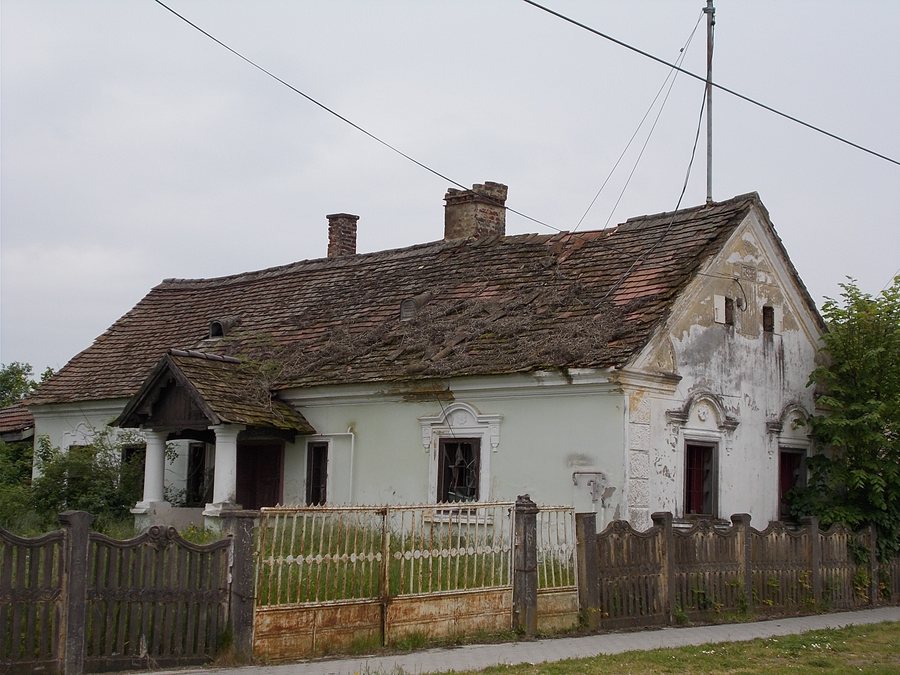
Galambok at a glance
- The Tájház on the main street was built in 1840, is a listed monument and needs renovation.
- The Reformed Church was consecrated on November 6, 1864; the Catholic Church was built between 1801 and 1808 in the Baroque style and is listed as a monument.
- The bell tower at Helység Pincéje on the vineyard commemorates Trianon and was inaugurated in December 2020.
- The Galamboki piac is located at Dózsa György utca 2.
- The blue-marked hiking trail passes through Galambok and other settlements on its way to Homokkomárom.
Which buildings tell the story of Galambok?
The Tájház combines a precise construction date with information about its condition: the listed building was built in 1840 and needs renovation. The two churches offer different historical points of reference. The Reformed Church was consecrated in 1864, while the Catholic Church was built earlier, between 1801 and 1808, in the Baroque style. Those interested in architectural history can compare these different dates and architectural styles.
The bell tower at Helység Pincéje is also part of local heritage. It stands on Galambok’s vineyard, commemorates Trianon and was inaugurated in December 2020. The historic buildings and the tower therefore differ both in their function and in their historical context.
What should you know about the hiking trail?
The blue-marked hiking trail runs via Zalakomár, Zalakaros, Galambok, Zalaújlak, Zalamerenye, Nagybakónak, Gelse, Újudvar and Nagykanizsa to Homokkomárom. Galambok is thus part of a route that includes several named settlements. The order helps you place the village along the route without reducing the entire trail to Galambok.
What else does the wider destination of Zala have to offer?
Those who also explore the wider destination of Zala will find a distinctive perspective on its wine-growing landscape. The Zalai Borvidék developed on the slopes and plateaus of the Zalai-dombság and on the northwestern slopes of the Keszthelyi-hegység. It comprises two wine-growing districts and 38 settlements. This regional perspective is a different topic from Galambok’s individual buildings and can complement your interests when planning a trip.
Kis-Balaton is another of Zala’s landscape highlights: it is the county’s largest body of water, is strictly protected and covers 14,745 hectares. It is also the setting for István Fekete’s classic novels Tüskevár and Téli berek. Nature and literature thus offer another way to experience the region.
Events and activities in the wider destination of Zala also offer different options throughout the year. The Water Buffalo Festival is held every year in May or June at the Kápolnapuszta Bivalyrezervátum; dates may vary from year to year. Visitors can pet the tame animals there every day during opening hours. The reserve can be explored via a 1.5-kilometer walking trail with rest areas and viewpoints. Check the event date and opening hours when planning your visit.
Discover more destinations: Miháld, Garabonc, Zalaszabar, Gelse, Nagyrada, Zalakaros, Zalasárszeg, Kisrécse.
FAQ
Which historic buildings are mentioned in Galambok?
The village’s landmarks include the Tájház, built in 1840 and listed as a monument, the Reformed Church and the Catholic Church. The bell tower at Helység Pincéje commemorates Trianon.
Where is the Galamboki piac?
The market is listed at Dózsa György utca 2 in Galambok. Check the market information before setting out.
When is the Water Buffalo Festival held in Zala?
The festival is held every year in May or June at the Kápolnapuszta Bivalyrezervátum. As dates may vary, check the information for the relevant year.
For the wider travel overview: Zalakarosi.

