
Kehidakustány: Discover its Thermal Baths and Deák Heritage
Accommodation in Kehidakustány
In Kehidakustány, thermal baths with clearly quantified water facilities meet Deák heritage, a manor house used as a museum and event venue, and a Tájház with a working traditional oven.
Kehidakustány at a glance
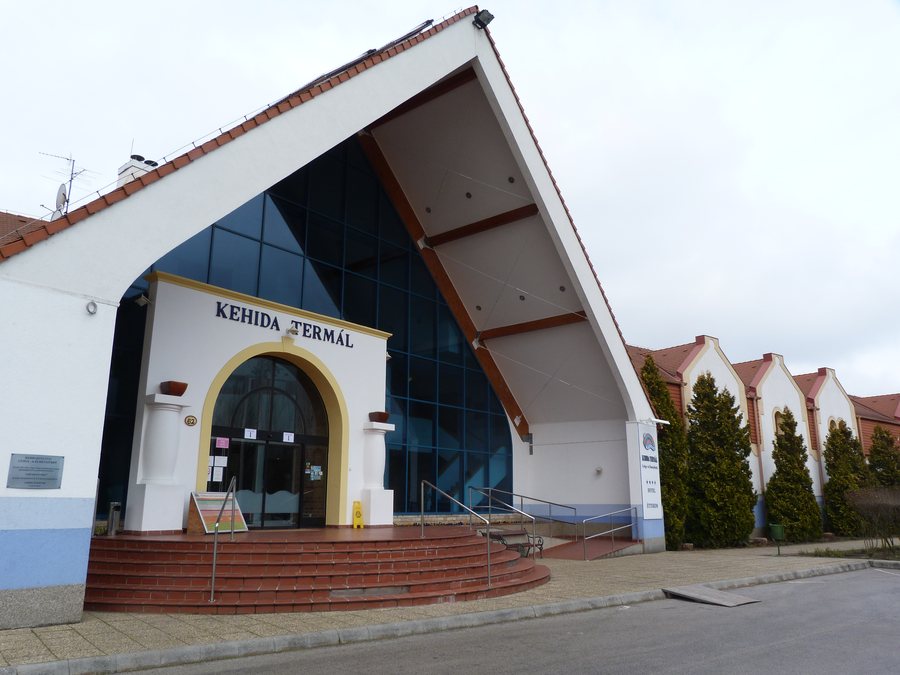
- Kehida Termál Experience and Medicinal Spa offers 2,400 m² of water surface and twelve pools.
- The complex includes a 94-metre-long giant waterslide.
- Ferenc Deák lived in the Kúria, built in the 1740s, from 1808 to 1854.
- The Ferenc Deák Manor House is used as a museum and event venue.
- A traditional oven with a smoke hood is in working order in the Tájház.
What defines Kehidakustány as a travel destination?
Kehida Termál Experience and Medicinal Spa brings together the town’s quantified water facilities: 2,400 m² of water surface spread across twelve pools, plus a 94-metre-long giant waterslide. These figures describe different aspects of the complex: the water surface indicates its overall size, the number of pools shows how the facilities are arranged, and 94 metres is the length of the slide. This gives a concrete sense of the town’s leisure offering without conflating it with its historical themes.
Kehidakustány’s local identity combines both themes; which aspect matters more for your trip depends on your own interests.
What traces of Ferenc Deák can you find in Kehidakustány?
The Kúria in Kehidakustány was built in the 1740s. Ferenc Deák lived there from 1808 to 1854. He was Minister of Justice in Hungary’s first responsible government and is regarded as a symbolic figure of the 1867 Compromise. These details bring the town’s connection to an important political life into focus: the Kúria links a specific building with Deák’s lifetime and his role in Hungarian history.
The Ferenc Deák Manor House is used as a museum and event venue. The Tájház offers a different insight into local architecture and everyday culture: a traditional oven with a smoke hood is still in working order there. Together, the manor house and Tájház offer different perspectives—the former through Ferenc Deák and its use as a museum and event venue, the latter through a preserved, functioning feature of traditional building culture.
What regional themes does the wider destination of Zala offer?
The wider destination of Zala offers themes that extend beyond Kehidakustány. The Zalai Wine Region developed on the slopes and plateaus of the Zalai-dombság and on the northwestern slopes of the Keszthelyi-hegység. It comprises two wine-growing districts and 38 settlements. This extensive wine-growing landscape sits alongside Kehidakustány’s specific local and historical themes.
The Kis-Balaton, Zala’s largest body of water, is also part of the wider destination of Zala. This strictly protected area covers 14,745 hectares and is the setting for István Fekete’s classic novels Tüskevár and Téli berek. Here, nature and literary interests come together in another regional theme.
Other examples in Zala offer their own highlights: Festetics kastély in Keszthely is Hungary’s fourth-largest castle and has 101 rooms. The ruins of Rezi vár stand on the summit of a 418-metre-high dolomite ridge on Meleg-hegy, overlooking the Zalaszántó Basin. These features can be considered according to your own interests—such as wine country, a protected body of water, literary connections, or historic buildings—without attributing them to Kehidakustány itself.
Discover more destinations: Zalaszentlászló, Kallósd, Zalacsány, Nagygörbő, Zalaszentgrót, Vindornyaszolos, Sénye, Zalabér.
FAQ
How large is Kehida Termál Experience and Medicinal Spa?
It offers 2,400 m² of water surface and twelve pools. The giant waterslide is 94 metres long.
What is Ferenc Deák’s connection to Kehidakustány?
Ferenc Deák lived in the town’s Kúria from 1808 to 1854. He was Minister of Justice in Hungary’s first responsible government and a symbolic figure of the 1867 Compromise.
What can you find in the Tájház?
A traditional oven with a smoke hood is in working order there.
Which regional themes add to the picture of Zala?
The Zalai Wine Region represents wine country; the strictly protected Kis-Balaton combines a large body of water with its literary connection to István Fekete. Both belong to the wider destination of Zala, not to the local features of Kehidakustány.
To the wider travel overview: Zalaszentgróti.

