
Kapčiamiestis: Museum, Monuments and Local History
Accommodation in Kapčiamiestis
Kapčiamiestis can be explored through its cultural history: the Emilija Pliaterytė Museum brings traditional daily life together with stories of individual people, while monuments and a wooden church complete the picture. The Baltoji Ančia flows south of the town.
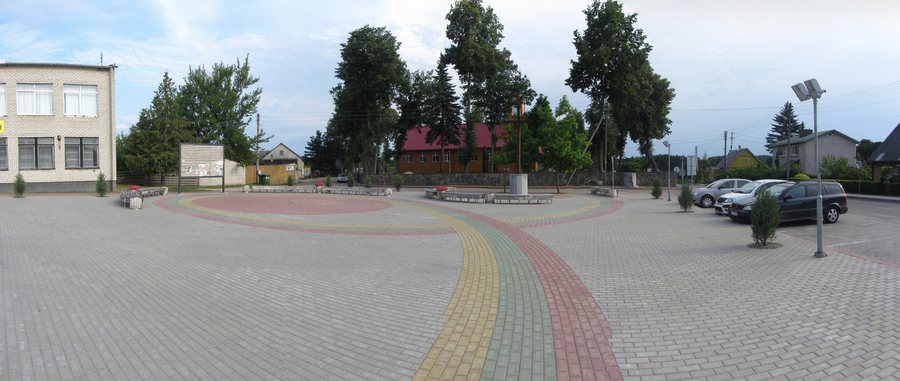 File:Kapčiamiestis, Lithuania - panoramio (37).jpg
Photo: VietovesLt via Wikimedia Commons, CC BY 3.0
Key facts about Kapčiamiestis
- The ethnographic exhibition area features old agricultural tools, household items and furniture connected with the traditional culture and daily life of the town in the early 20th century.
- Other museum exhibits focus on Česlovas Sasnauskas, Veronika Povilionienė and Gražina Bigelytė-Bulavienė.
- A separate exhibition is dedicated to Antanas Sadeckas, an engineer, traveller and photographer, as well as the founder of the “Lemtis” community.
- The wooden Catholic Church of Divine Providence was built in 1824.
- Emilija Pliaterytė is honoured with monuments in the cemetery and in the town centre.
What can you discover at the museum?
The ethnographic exhibition area features old agricultural tools, household items and furniture. Together, they illustrate the traditional culture and daily life of Kapčiamiestis in the early 20th century. For visitors interested in everyday history, these objects from farming and the home offer a tangible way to explore the town, rather than relying solely on an abstract description.
Other exhibits cover the life and work of composer Česlovas Sasnauskas, folk singer Veronika Povilionienė and Gražina Bigelytė-Bulavienė, the first announcer on Lithuanian Television (LTV). A separate exhibition is devoted to Antanas Sadeckas. He was an engineer, traveller and photographer, a pioneer of expeditions to Siberian deportation sites, and the founder of the “Lemtis” community.
These themes are easy to distinguish: the ethnographic area focuses on everyday life in the town, while the other exhibitions explore the lives, work and activities of individual people. If you plan your trip around your cultural interests, this can help you decide which aspects of local history you would most like to explore.
Which historical landmarks shape Kapčiamiestis?
The wooden Catholic Church of Divine Providence in Kapčiamiestis was built in 1824 on the initiative of Prince Tadas Antanas Oginskis.
Emilija Pliaterytė is honoured at two locations: one monument stands in the Kapčiamiestis cemetery and another in the town centre. Another historical monument commemorates Lithuanian partisans who were tortured to death by Bolsheviks in a well. These memorial sites mark different points of focus—from remembrance of an individual to the memory of the murdered partisans—and complement the museum’s themes with public memorials.
What can you discover in the surrounding area?
The Baltoji Ančia River flows south of Kapčiamiestis. The Pinčiaragis archaeological settlement site is also located two kilometres south of the town. The site has outdoor furniture, an information board, a car park, a boat landing and steps. Before visiting, check whether these facilities are in the condition you need.
Pinčiaragis and the museum offer different focuses: one is an archaeological settlement site with the facilities listed above, while the other features exhibitions on daily life, culture and individual people. This distinction can help you take your travel group’s interests into account without presenting the two destinations as a single combined offering.
On which days are museum visits listed?
For the Emilija Pliaterytė Museum, visiting days are listed as Tuesday to Saturday from June to August, and Monday to Friday from September to May. Before travelling, confirm that a visit is possible on your planned date. If you are looking for a hotel, you can take these visiting days and your personal interests into account when planning your trip.
Discover more destinations: Meteliai, Krosna, Veisiejai, Bertasiunai.
FAQ
Where is Emilija Pliaterytė honoured in Kapčiamiestis?
One monument stands in the cemetery and another in the town centre.
Where is the Pinčiaragis settlement site?
Pinčiaragis is two kilometres south of Kapčiamiestis.
Which visiting days are listed for the museum?
Tuesday to Saturday are listed from June to August, and Monday to Friday from September to May. Confirm your visit before travelling.
To the main travel overview: Lazdijai District Municipality.

