
Ribnita: Bathing Area, Churches and Landscape
Accommodation in Ribnita
Ribnita combines a designated bathing area with religious sites and a landscape on the Podolian Upland. Seasonal conditions at the bathing area, the consecration years of two churches and a traditional procession provide specific points of reference for planning your trip.
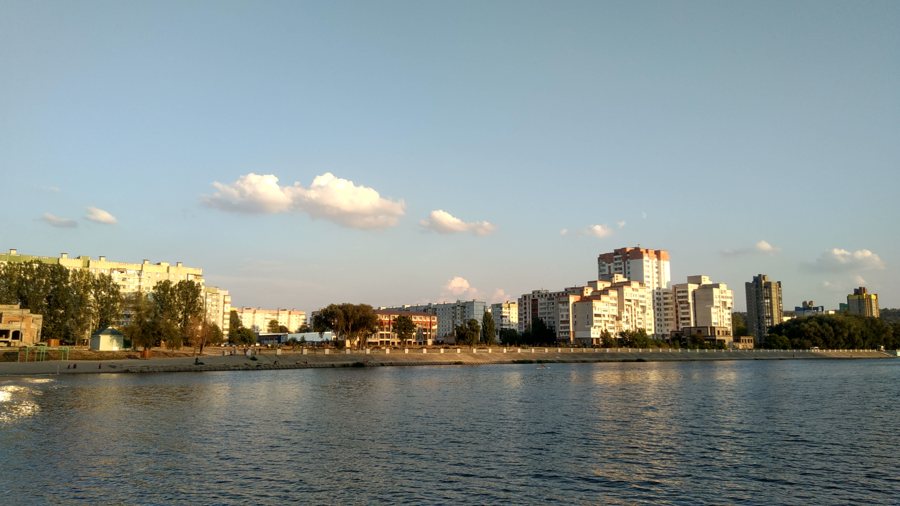 File:MD.RB - Apartment buildings in Rîbnița - sep 2020 - 03.jpg
Photo: Gikü ( talk ) via Wikimedia Commons, CC0-1.0
Ribnita at a glance
- The beach on Valchenko Street is designated as a specially equipped bathing area with a permit and lifeguards.
- The city and Ribnita District are located on the Podolian Upland, whose foothills descend towards the Dniester.
- The Cathedral of the Archangel Michael was consecrated in 2006, and the new Catholic Church of St Joseph in 2003.
- A traditional procession leads from the cathedral to the St John the Baptist Monastery for men near Strojenzy.
How can Ribnita be understood in terms of its landscape?
Both the city and Ribnita District are located on the Podolian Upland. Its foothills gradually descend towards the Dniester. This places Ribnita within a wider landscape that encompasses not only the city but also the surrounding district. If you are comparing destinations, this description provides a geographical context alongside the individual religious sites and the bathing area.
What should you know about the bathing area?
A municipal notice dated 10 June 2026 designates the beach on Valchenko Street as a specially equipped bathing area with a permit and lifeguards. The notice refers to this specific location. Seasonal conditions can change, so check them before your visit if swimming is an important part of your travel plans. This takes into account both the designated facilities and the seasonal caveat, without applying the status described in the notice to other travel periods.
Which religious sites have specific dates associated with them?
The new Catholic Church of St Joseph was consecrated in 2003. The Cathedral of the Archangel Michael was consecrated on 21 November 2006. These different details provide a clear timeline: the year is given for St Joseph’s, while an exact date is provided for the cathedral. If you are interested in religious buildings, you can distinguish between these two sites by their respective consecration histories.
What is the route of the traditional procession?
A traditional procession leads from the Cathedral of the Archangel Michael to the St John the Baptist Monastery for men, in the Kalagur tract near the settlement of Strojenzy. A report from 2026 describes this route. The procession offers a different perspective on the religious sites than their consecration years: the focus here is on the starting point, destination and route between them. This allows you to consider architectural history and the procession as distinct aspects of religious tradition when planning your trip, without equating the route with a tour of the buildings.
Discover more destinations: Tirnauca, Tiraspol.
FAQ
Where is the designated bathing area?
The beach is on Valchenko Street. A municipal notice dated 10 June 2026 designates it as a specially equipped bathing area with a permit and lifeguards. As seasonal conditions can change, check them before your visit.
When were the churches consecrated?
The new Catholic Church of St Joseph was consecrated in 2003. The Cathedral of the Archangel Michael was consecrated on 21 November 2006.
Where does the traditional procession lead?
It leads from the Cathedral of the Archangel Michael to the St John the Baptist Monastery for men, in the Kalagur tract near the settlement of Strojenzy. A report from 2026 describes this traditional procession.
For the broader travel overview: Transnistria.

