
Krobia: Biskupizna and Historic Buildings
Accommodation in Krobia
Krobia brings together the Biskupizna folklore microregion, churches, historic buildings and traces of medieval history. You can choose between regional culture and different periods of the town’s history for your trip.
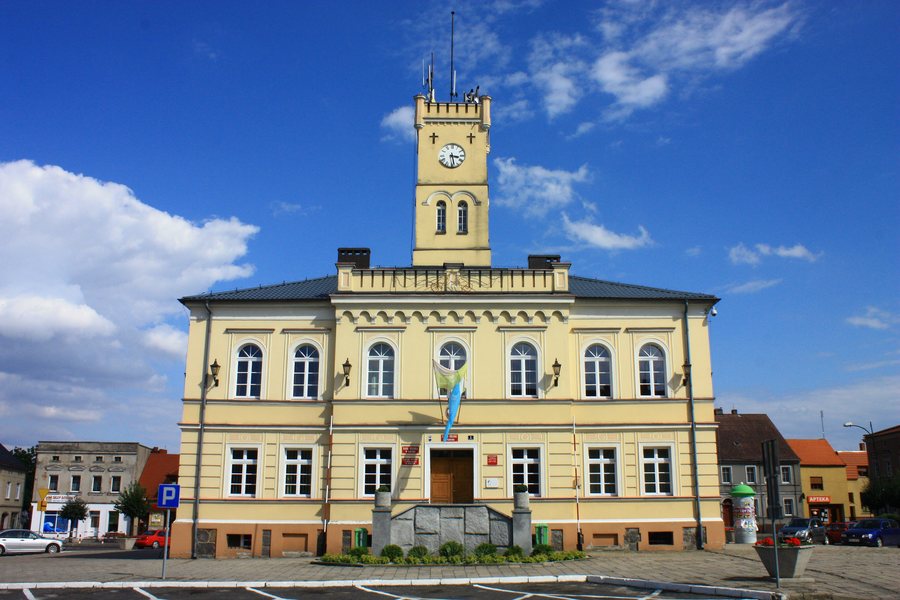
Krobia at a glance
Krobia is part of the Biskupizna folklore microregion. The Museum of Carpentry and Biskupizna houses a Biskupian Chamber dedicated to local folklore. The town’s historic buildings include St. Nicholas Parish Church, St. Giles Church and the town hall, built around 1840. Krobia’s medieval stronghold is a remnant of the presumed medieval seat of the castellan of Krobia.
What role does Biskupizna play in Krobia?
Biskupizna is a folklore microregion comprising 13 localities in the municipalities of Krobia, Gostyń and Piaski; the town of Krobia is also part of it. In the Biskupizna folklore microregion, the cultural traces of more than five centuries under the authority of the Bishops of Poznań remain visible in the residents’ clothing, customs and rituals.
In Krobia itself, the Biskupian Chamber at the Museum of Carpentry and Biskupizna explores local folklore. If you are particularly interested in folk culture, this offers a clear thematic introduction to Krobia.
What do Krobia’s churches tell us?
The construction history of St. Nicholas Parish Church comprises two distinct phases. Bishop Andrzej z Bnina had it built between 1438 and 1479. After a fire, the church was rebuilt in the Baroque style between 1757 and 1767 at the initiative of Teodor Czartoryski, Bishop of Poznań. The dates thus distinguish the original construction from the later redesign.
The church’s orientation is another distinctive feature: its presbytery, or chancel, is on the west side. Together with its two construction phases, this offers a concrete insight into its distinctive architectural history.
St. Giles Church offers a different point of reference in time. It was probably built around the middle of the 12th century and is now a cemetery chapel. It is also one of the oldest religious buildings in Greater Poland. The dating is approximate: it is believed to date from that period, but no precise year of construction is known.
Which historic traces shape the townscape?
Krobia’s present-day town hall was built around 1840 and is one of the town’s characteristic historic buildings. It offers a different perspective on the town’s history from the churches: here, the focus is on a 19th-century town hall, while the churches derive their significance from earlier construction phases and religious history.
Two other historical references relate to the medieval period. Krobia’s medieval stronghold is a remnant of the presumed medieval seat of the castellan of Krobia, a medieval official. In the town centre, a medieval defensive moat surrounds the historic building of the former castellany. Both references tell of Krobia’s importance in the past, but they describe different historical sites.
Which cultural focus can help you plan your trip?
When looking for a hotel in Krobia, you might first consider which aspect of the town interests you more: the folklore and cultural traditions of the Biskupizna microregion, or the churches, historic buildings and medieval traces. This distinction can help you decide what to focus on during your cultural trip without reducing the various sights to a single period.
Discover more destinations: Magdalenki, Piaski, Gostyń, Borek Wielkopolski, Stezyca, Ostrowo, Leonów.
FAQ
What is the Biskupian Chamber?
It is located in the Museum of Carpentry and Biskupizna in Krobia and is dedicated to local folklore.
When was St. Nicholas Parish Church built?
Bishop Andrzej z Bnina had it built between 1438 and 1479. After a fire, it was rebuilt in the Baroque style from 1757 to 1767 at the initiative of Teodor Czartoryski, Bishop of Poznań.
How old is St. Giles Church?
It was probably built around the middle of the 12th century. Today, it serves as a cemetery chapel and is one of the oldest religious buildings in Greater Poland.
For the broader travel overview: Gostyn.

