
Wyrzysk: City Pond, History and Walking Paths
Accommodation in Wyrzysk
Wyrzysk combines a city pond and walking paths with historic church buildings, events and the medieval fortified settlement on the southeastern edge of the city. These places offer different focal points for planning your trip: water and greenery, local history or culture. If you are looking for a hotel in Wyrzysk, you can first decide which themes you want to shape your trip.
Wyrzysk at a glance
- Staw Miejski is in the center; its surroundings are used for relaxation and leisure activities.
- The medieval fortified settlement is on the southeastern edge of the city. Its grounds are fenced, and access is difficult.
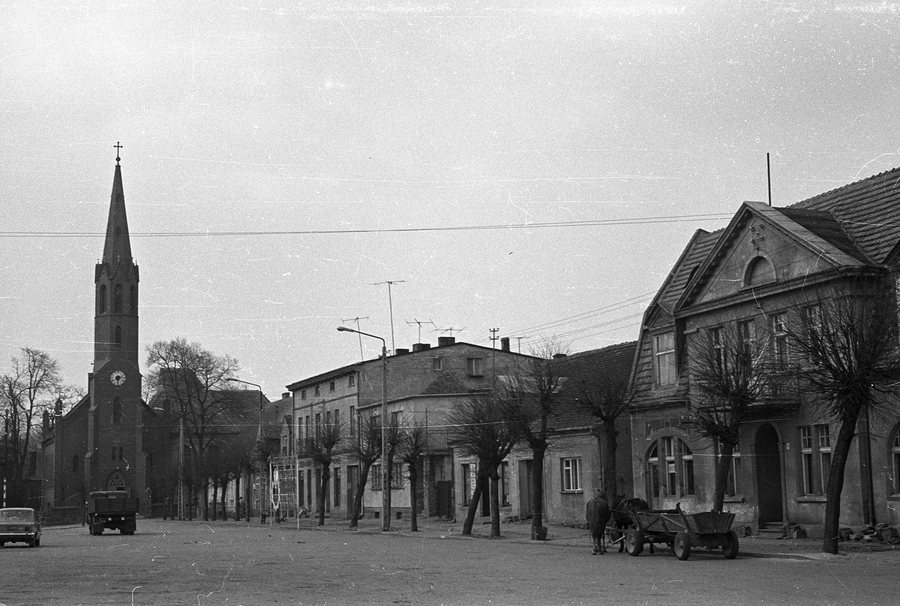
- The present-day brick church was completed in 1861 and consecrated on November 4.
- The cultural center's regular calendar includes concerts, community harvest festivals and a Christmas market.
What makes Staw Miejski special?
Staw Miejski and its surroundings form a recreational and leisure area in the center of Wyrzysk. Walking paths wind among mature trees, flower beds and shrubs. This green space takes center stage, with paths and a waterfront offering a different experience from the city's churches and historic buildings.
On the opposite side of the pond from the Ludwik-Muzyczka Bridge is the “white footbridge.” It makes a pleasant setting for walks and offers views of the pond, its surroundings and the church on the market square. The Ludwik-Muzyczka Bridge crosses Staw Miejski and was opened to traffic in 1994. The two structures therefore have different roles as described here: the “white footbridge” is associated with walks and views, while the other bridge is associated with its opening to traffic.
How should you think about the medieval fortified settlement?
The medieval fortified settlement is on the southeastern edge of Wyrzysk, in a bend formed by the Łobżonka River and its tributary, the Orla, formerly called the Wyrzą. Its location can therefore be described in terms of both the rivers and the edge of the city. The site is visible from ul. 22 Stycznia.
The access situation is important for planning: the grounds are fenced, and access is difficult. Being visible from the road does not mean that unrestricted entry is possible. If the site is to be a focus of your visit, take this limitation into account rather than equating visibility with access.
What traces of history can you find in Wyrzysk?
The parish's earliest origins in Wyrzysk date back to the 14th century. The present-day red-brick church was built later: construction began in 1858, and it was completed in 1861. It was consecrated on November 4, 1861. The parish's long history and the construction history of the present-day church are two distinct points in time.
The former synagogue is also part of local history; it dates from 1860. After its renovation in 2013, the building was given a new use and now houses a family play park. In Wyrzysk, you can encounter both religious architectural history and the later repurposing of a historic building.
Which events are part of the cultural calendar?
The Miejsko-Gminny Ośrodek Kultury w Wyrzysku organizes a New Year's concert, a concert to welcome summer, community harvest festivals and a Christmas market. These events are regular fixtures on its calendar. If you want to plan your trip around a particular festival or concert, check the specific dates in advance.
What does the landscape in the municipality have to offer?
In the municipality of Wyrzysk, the “DĘBOWA GÓRA” educational cycling trail is near Osiek nad Notecią. It leads through the forests of the Zielonagóra forest district and over wooded terminal moraine hills along the edge of the Noteć ice-marginal valley. These hills were formed by the activity of the continental ice sheet during the last Ice Age. The cycling trail offers a landscape-focused experience distinct from the urban themes of the city pond, churches and architectural history.
The route is in the municipality of Wyrzysk, in Piła County and in the Greater Poland Voivodeship. This distinction is useful for orientation: the route is a municipal-level attraction, while Staw Miejski and the historic buildings mentioned above define the city of Wyrzysk itself.
Discover more destinations: Wysoka, Ujście, Piła, Dobrzyca.
FAQ
What role did Staw Miejski play in winter?
In the first half of the 20th century, the pond was a local center for winter sports. At the time, residents enjoyed skating on its flooded surface.
How accessible is the medieval fortified settlement?
Access is difficult, and the grounds are fenced. The site is visible from ul. 22 Stycznia; however, this does not mean that unrestricted entry is possible.
Which footbridge offers a view of the church on the market square?
The “white footbridge” offers a viewpoint overlooking the pond, its surroundings and the church on the market square. It is on the opposite side of Staw Miejski from the Ludwik-Muzyczka Bridge.
For the broader travel overview: Piła.

