
Stęszew: City History, Museum and River Landscape
Accommodation in Stęszew
Stęszew combines a layered architectural history with a regional museum and a river landscape. On your trip, you can explore cultural sights and the educational, nature and cultural trail as different points of interest.
Stęszew facts at a glance
- The Regional Museum is located at Rynek 8 in an 18th-century building.
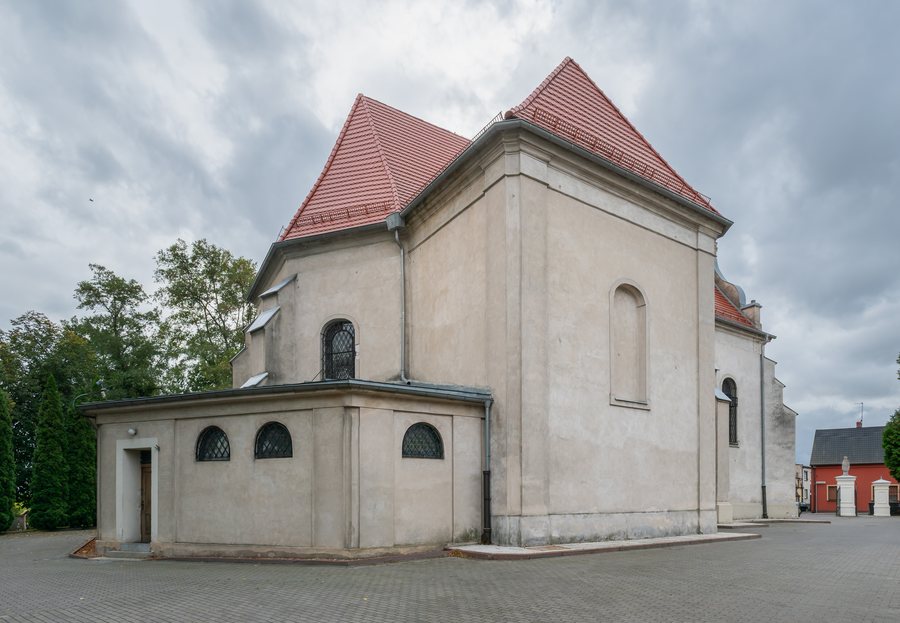
- The Church of the Holy Trinity was originally made of wood, later rebuilt in the Gothic style around 1468, and subsequently remodeled in the Baroque style.
- The Marian shrine dates from 1905 and houses a late Gothic sculpture from the 16th century.
- The Samica Stęszewska flows through Stęszew and empties into Lake Witobelskie near Witobel.
- The “Wokół Stęszewa” trail begins in the town center at the tourist station on ul. Poznańska; a map is available.
What architectural history can you discover in Stęszew?
The Regional Museum is housed in an 18th-century building. It is considered the city’s second-oldest building, after the parish church, and is the last surviving arcaded house. At Rynek 8, you can encounter several aspects of local architectural history at once: the age of the house, its significance among the city’s buildings, and its distinctive architectural form.
The Church of the Holy Trinity also reflects different building phases. It was originally made of wood, later rebuilt in the Gothic style around 1468, and subsequently remodeled in the Baroque style. This sequence brings together different periods, without implying that the original structure has remained unchanged. Those interested in religious architecture can also visit the Marian shrine: it dates from 1905 and houses a late Gothic sculpture from the 16th century. The shrine’s construction date and the age of the sculpture refer to two different things.
Another historic point of interest is the remains of a 14th-century castle on Pańska Góra. The castle was destroyed during the Swedish Deluge. Stęszew thus brings together a preserved historic building, religious buildings and the remains of a destroyed castle as different forms of local history.
What do the museum and quest tell you about the town?
The Regional Museum currently has around 5,000 exhibits. The collection was assembled mainly through donations from former and current residents of the Stęszew municipality. This provenance gives the collection its local character: it is closely connected to contributions from the municipality. If you are focusing your cultural trip on the town’s history, the museum offers a different perspective from the buildings themselves.
The “Stęszew z polotem” quest offers another perspective. It leads through the streets of Stęszew and introduces the townscape of the 19th century. The museum and the quest thus differ in form: one is a collection with around 5,000 exhibits, while the other is a route through the streets that presents a historic townscape. You should not infer a specific duration or fixed itinerary for the quest.
How can you explore the river and the trails?
The “Wokół Stęszewa” educational, nature and cultural trail begins in the town center at the tourist station on ul. Poznańska. A map is available for the trail. Its name brings together three themes—learning, nature and culture—and makes it a distinct way to explore Stęszew. No information is provided here about its length, walking time or difficulty, so plan your visit using the information on the available map.
The Samica Stęszewska also connects the town with the surrounding landscape: the river flows through Stęszew and empties into Lake Witobelskie near Witobel. When planning your trip, you can therefore decide whether you are mainly interested in architectural history and collections or would also like to explore the river and the trail.
Stęszew also lies on an old trade route from Lower Silesia. Along with the buildings and the quest’s historical themes, this adds another dimension to the town’s history by highlighting Stęszew’s former location on a trade route.
What other accommodation destinations can you compare?
If you would like to compare other destinations for your accommodation search alongside Stęszew, you can also find Suchy Las, Puszczykowo, Stęszewko, Złotoryjsko, Pobiedziska, Strykowo, Poznań and Plewiska.
FAQ
Where is the Regional Museum in Stęszew?
The Regional Museum is located at Rynek 8, in an 18th-century building.
Where does the “Wokół Stęszewa” trail begin?
It begins in the town center at the tourist station on ul. Poznańska. A map is available for the trail.
What does the Marian shrine house?
The Marian shrine, built in 1905, houses a late Gothic sculpture from the 16th century.
For the broader travel overview: Poznań.

.jpg)