
Discover Szczawa: Trails, nature and culture
Accommodation in Szczawa
Marked trails, a small waterfall, an old ash tree and a wooden church give you several starting points for planning a trip to Szczawa. Two hiking routes are described in particular, with different markings and destinations; there are also natural features and a winter focus. This lets you choose whether to focus your trip on hiking, local culture or nature.
Szczawa at a glance
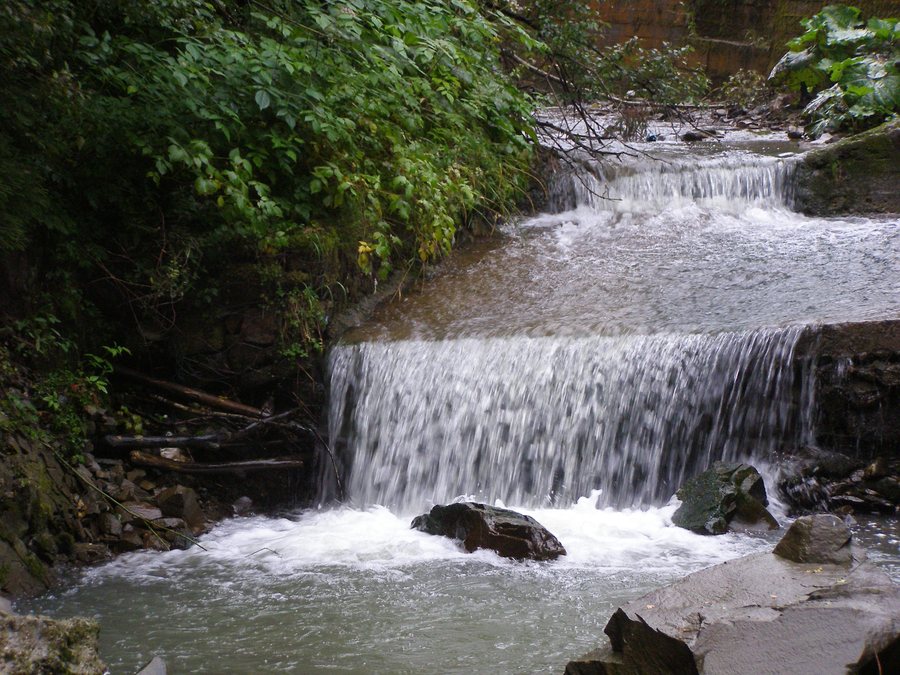
In the centre of Szczawa are a wooden church built in 1958–1959 and serving as a parish church, and a mineral water drinking pavilion. The natural Spad Waterfall is in the Koszarki district and is no more than 2.2 metres high. An ash tree over 200 years old is considered a natural monument. The residents of Szczawa are classified as belonging to the Górale Biali, a distinct ethnographic group. Above the centre, on the slopes of Wielki Wierch, is the Narciarskie Centrum „Polanki“.
Which hiking trails lead to local attractions?
The red-marked trail from Kamienica to Szczawa passes the primary school in Szczawa and crosses the Kamienica. From there, the blue-marked Szczawa–Mogielica trail continues to the monument to the 1st Podhale Rifle Regiment of the Home Army. A second option is the black-marked section of the „Żołnierze 1 Pułku Strzelców Podhalańskich AK w dolinie Kamienicy“ trail, which leads to the church and the regiment’s museum in Szczawa. To choose between them, compare the markings and destinations: the first route changes from red to blue and ends at the monument; the second is marked black and leads to the church and museum. Check local trail conditions before setting out.
What natural features make Szczawa distinctive?
The natural Spad Waterfall is in the Koszarki district, where the Kamienica Gorczańska meets provincial road 968 directly. It is no more than 2.2 metres high. Another type of natural feature is the ash tree, which is over 200 years old and considered a natural monument. These are two distinct natural attractions: Spad is defined by its watercourse, its location beside the road and its height, while the ash tree is notable for its approximate age and status as a natural monument.
What can you learn about local culture?
The wooden church in the centre was built in 1958–1959 and serves as a parish church. Its construction dates and function offer a specific architectural point of reference. The residents of Szczawa are also classified as belonging to the Górale Biali, a distinct ethnographic group. Together, these details offer two different perspectives on local culture: a particular building and its parish function, and the cultural classification of its residents. The museum of the 1st Podhale Rifle Regiment of the Home Army is also a destination on the black-marked trail section.
What should you keep in mind when visiting in winter?
The Narciarskie Centrum „Polanki“ is above the town centre, on the slopes of Wielki Wierch. This adds a winter focus to the options for hiking, nature and local culture. If you are planning a trip for specific winter dates, check which seasonal offers are currently available. The mineral water drinking pavilion is also in the centre.
Choose your accommodation according to your own requirements for location and facilities.
Discover more destinations: Kamienica, Porąbka, Laskowa, Kasinka Mala, Limanowa, Rupniów, Raba Nizna, Kostrza.
FAQ
Which trail markings lead to the monument?
The red-marked trail from Kamienica to Szczawa continues as the blue-marked Szczawa–Mogielica trail, which leads to the monument.
Where is Spad Waterfall?
Spad is in Koszarki, where the Kamienica Gorczańska meets provincial road 968 directly; it is no more than 2.2 metres high.
When was the wooden church built?
The wooden church in the centre of Szczawa was built in 1958–1959 and serves as a parish church.
For the broader travel overview: Limanowa.

