
Discover Zubrzyca Górna
Accommodation in Zubrzyca Górna
Historic houses, workshops and village buildings make Zubrzyca Górna a destination for anyone interested in the culture of Upper Orawa. The Muzeum - Orawski Park Etnograficzny shows how different buildings and workplaces contribute to the picture of rural life.
Key facts about Zubrzyca Górna
The Muzeum - Orawski Park Etnograficzny is located in Zubrzyca Górna. Its grounds cover about 12 hectares and are divided into two areas, which include permanent exhibitions, smaller architectural structures and the surrounding natural environment. The parish Church of St Michael the Archangel is also in the village, on Voivodeship Road 957. The museum welcomes individual visitors and organized groups; after purchasing an admission ticket, they can explore the site with a guide or independently.
What does the Muzeum - Orawski Park Etnograficzny showcase?
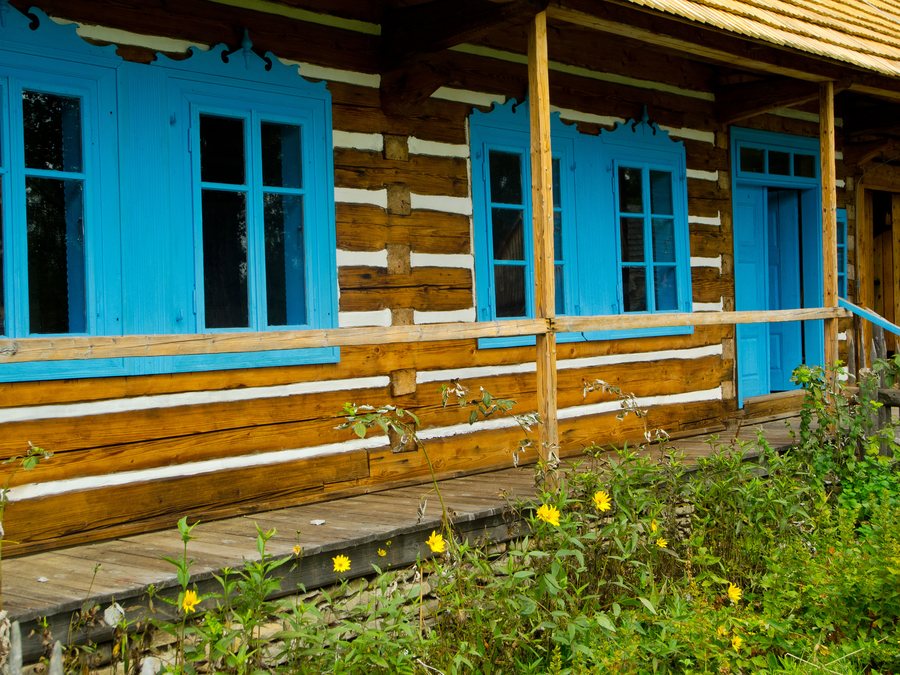
The park illustrates village life in Orawa through historic homes and a manor house, farm buildings and workshops. The overall picture also includes household items and decorative features, as well as chapels, a church, a rectory, a school and an inn. Wood was the main building material, alongside paper, clay and straw. The different types of buildings thus bring together not only living spaces but also the communal, economic and religious aspects of village life.
Some of the buildings retain their origins in other places in Upper Orawa. Visitor attractions include the Czarna Karczma and a granary from Podwilk, the house of Alojzy Dziubek from Jabłonka, the wooden Church of Matki Bożej Śnieżnej from Tokarnia, and a rectory from Podwilk. Knowing where they came from helps visitors understand the buildings on display as examples from different parts of the region.
Which crafts and architectural styles can you discover?
Along the themed trail on rural livelihoods, you can see, among other things, a sawmill, a mill, blacksmithies, a fulling mill, an oil mill, a mangle and an apiary. There is also a replica of a dye works from Orawka. Together with the residential and farm buildings, these exhibits show a range of crafts and other aspects of everyday life at the time.
One architectural detail can be found on some wooden houses: the wyżka. This is a storage space in the attic above a living area. Access was via a small balcony and beams that projected beyond the building’s outer wall. The Dwór Moniaków offers a different perspective on the village’s architectural history: it consists of six buildings that have stood on this site for more than 400 years.
How can you plan your museum visit?
You can visit the Muzeum - Orawski Park Etnograficzny individually or as part of an organized group after purchasing an admission ticket, either with a guide or independently. When choosing between these options, consider whether you would prefer to explore the exhibition at your own pace or take a guided tour. Check the museum’s current operating information before your visit.
The program also includes workshops, exhibition openings, occasional posiady and outdoor events. If you are interested, check the dates of the events. According to information from the end of 2017, the permanent exhibitions comprised a total of 60 objects. This figure refers specifically to the situation at that time.
Discover more destinations: Tylmanowa, Lasek, Szczawnica, Czorsztyn, Rogoźnik, Szaflary, Ochotnica Górna and Maruszyna.
FAQ
What buildings can you see at the Muzeum - Orawski Park Etnograficzny?
The exhibits include historic residential and farm buildings, workshops, religious buildings, a school and an inn. Some buildings come from other places in Upper Orawa.
Can you visit the museum independently?
Yes. After purchasing an admission ticket, you can visit individually or as part of an organized group, with a guide or independently. Check the current operating information in advance.
What special features can be found on the wooden houses?
Some have a wyżka, a storage space in the attic above a living area. Access was via a small balcony and projecting beams.
For the broader travel overview: Nowotarski.

