
Pajęczno
Accommodation in Pajęczno
Pajęczno combines religious history with a historic market square and distinctive natural features. The town offers a range of points of interest to consider when planning your trip: a Marian shrine, preserved limestone houses, and Park 1000-lecia.
Pajęczno at a glance
The church in Pajęczno soon became a Marian shrine; many faithful made pilgrimages to the image of Our Lady of Pajęczno, which was venerated as miraculous. Several single-storey limestone houses dating from the turn of the 18th and 19th centuries stand on the former market square. The historic market square preserves elements of the original town plan, which was altered by an additional street. Park 1000-lecia includes the Matusowiec water feature. Pajęczno is also home to a linden tree several centuries old, with a trunk circumference of 7 m and a height of 8 m.
What religious history shapes Pajęczno?
The church soon became a Marian shrine. This religious association includes the image of Our Lady of Pajęczno, which was venerated as miraculous and drew many faithful on pilgrimage. The pilgrimage tradition connects the town with a specific form of religious devotion: the focus is not only on the church itself, but also on the image and its significance.
For travelers interested in culture, this offers a different way of experiencing Pajęczno than looking at its historic buildings or town plan. Those interested in Marian devotion and religious history can consider this aspect when deciding whether the town suits their travel interests.
What do the former market square and limestone houses tell us?
Several single-storey limestone houses have been preserved on the former market square. They date from the turn of the 18th and 19th centuries. Their material, height, and date give the surviving buildings a distinct historical character. Those interested in local history will find concrete features here that help describe the older buildings.
The layout of the historic market square is also part of Pajęczno’s history. Elements of the original town plan have been preserved, while an additional street leading from the middle of the southern side of the market square has altered it. Together, these features do not present an unchanged picture, but show how the layout has evolved over time. Both what has been preserved and the changes to the market-square layout are therefore important to understanding Pajęczno.
What natural features can you find in Pajęczno?
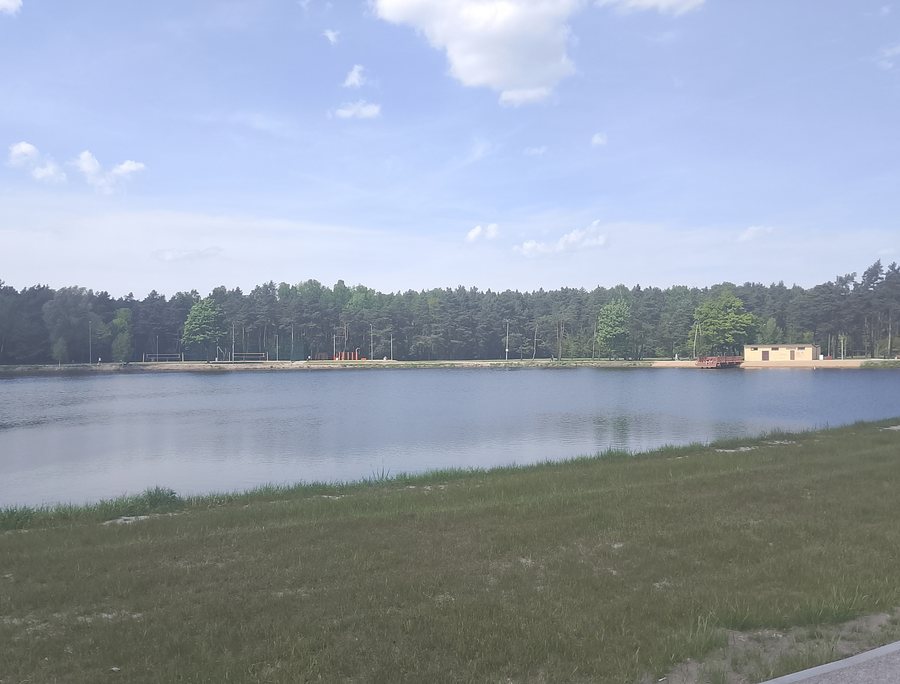
Park 1000-lecia includes the Matusowiec water feature. This proper name helps identify the water feature as a specific part of the park, rather than describing the place simply as a green space. Those who take natural surroundings into account when making their choices can consider this park as one of Pajęczno’s points of interest.
Another distinctive feature is a linden tree several centuries old, which stands in Pajęczno. Its trunk circumference is 7 m and it is 8 m tall. The tree’s dimensions and great age characterize it, but it should not be confused with the park or the water feature. The tree and the water feature offer different points of interest for travelers interested in natural features.
If you would like to compare Pajęczno with pages about other places, you can also visit Murowaniec, Prusicko, Lipnik and Wręczyca.
FAQ
What is the church in Pajęczno known for?
It soon became a Marian shrine. Many faithful made pilgrimages to the image of Our Lady of Pajęczno, which was venerated as miraculous.
When do the limestone houses on the former market square date from?
The surviving single-storey houses date from the turn of the 18th and 19th centuries.
What is part of Park 1000-lecia?
The park includes the Matusowiec water feature.
What are the dimensions of the old linden tree in Pajęczno?
It is 8 m tall and has a trunk circumference of 7 m.
For the main travel overview: Pajęczno.

