
Discover Lodz: Culture, Nature and Water Activities
Accommodation in Lodz
In Lodz, you can make cultural sites, protected landscapes and water activities different focal points of your trip. The options range from a Late Gothic castle museum and historic parkland to marked cycling routes and rivers frequently used for kayaking.
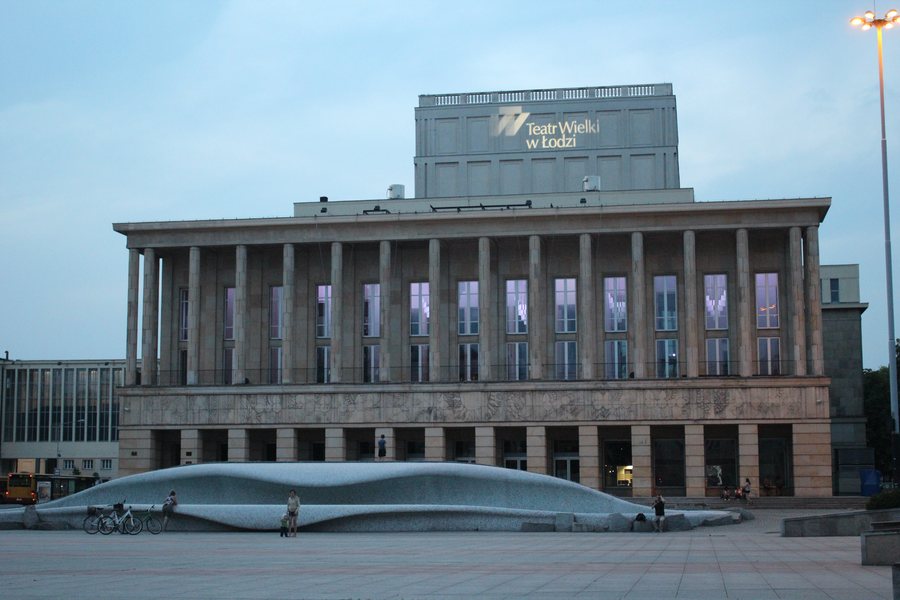
Lodz at a glance
The Łódź Voivodeship offers cultural destinations as well as nature and water experiences. The region has more than 100 marked cycling routes, including 9 interregional and regional routes designated by the Łódź Voivodeship. Cultural attractions include a medieval monastic complex, a large open-air museum and a museum housed in a Late Gothic castle.
Which landscapes and trails define the region?
Łódź Heights Landscape Park protects a hilly landscape unique to central Poland. Springs and streams are part of its character, as is its remarkable wildlife. The park has an extensive network of marked walking and cycling trails. You can explore the region on foot or by bike; the trails offer two different ways to engage with the landscape.
Sulejów Landscape Park preserves wooded natural areas that remain as remnants of the former Puszcza Pilicka. In Spała Landscape Park, by contrast, the Pilica shapes the scenery: the river flows through a natural channel that meanders in places. Islands, sandbanks and oxbow lakes provide habitats for many plant and animal species. One of the aims of Przedbórz Landscape Park is to make the area accessible for ecological tourism.
Which cultural sites can you explore?
Oporów Castle is a small Late Gothic fortified residence on an island surrounded by a moat. The castle houses a museum with an exhibition on aristocratic interiors, as well as collections of paintings, sculptures and decorative arts. If you are interested in historic living spaces and different art forms, you can find both in this castle museum.
Another cultural highlight is the Cistercian monastery in Sulejów-Podklasztorze. It is considered one of the best-preserved examples of a medieval monastic complex of this order in Europe. The palace in Nieborów is a branch of the National Museum in Warsaw; it preserves art collections and 18th-century interiors. In Arkadia, there is a Romantic-Sentimental English-style park created in the 17th century by Helena Radziwiłłowa. Its features include the Temple of Diana and a Roman Aqueduct.
The Łowicki Park Etnograficzny is the only large open-air museum in the Łódź Voivodeship and recreates an entire village. In Bolimów, the Konopczyński family pottery workshop is one of the few places in the voivodeship where traditional crafts are still practised. These destinations offer different highlights: a recreated village, a historic park and the preservation of a traditional craft.
What experiences do rivers and reservoirs offer?
The Rawka, Pilica, Warta, Grabia and Widawka rivers are frequently used for kayaking in the Łódź Voivodeship. The Sulejowski Reservoir and Jeziorsko Reservoir offer good conditions for sailing and windsurfing. Alongside river activities, these two reservoirs are also destinations for water sports.
Water is also central to Termy Uniejów: the baths draw hyperthermal mineral water from a depth of more than 2 kilometres through three boreholes. This sets the thermal baths apart as a destination from the river and reservoir activities. Łódzka Kolej Aglomeracyjna promotes the “Industrialne Łódzkie” Industrial Trail and provides convenient access to selected sites along the trail.
How can you choose the focus of your trip?
If you are looking for a hotel in Lodz, it may help to decide on a theme for your trip first: historic sites and collections, walking and cycling trails, or water experiences. The attractions mentioned differ in kind, making it easier to choose according to your interests. For culture lovers, for example, the castle museum, monastery and open-air museum each offer different insights; if you prefer spending time outdoors, you can consider the landscape parks and designated cycling routes.
Explore more subregions
More regional pages take you to Poniatów, Zgierz, Powiat Piotrkowski, Sieradz, Skierniewice, Wieluń, Zduńska, Łowicz, Opoczno, Pajęczno, Poddębice, Radomsko, Łask, Kutno, Łęczycki, Brzeziny, Rawski, Lodz, Tomaszowski, Pabianicki, Wieruszowski, Bełchatowski and Pertikau.
FAQ
How many marked cycling routes are there in the Łódź Voivodeship?
There are more than 100 marked cycling routes, including 9 interregional and regional routes designated by the Łódź Voivodeship.
What can you see at Oporów Castle?
The castle houses a museum with an exhibition on aristocratic interiors, as well as collections of paintings, sculptures and decorative arts.
Which rivers are frequently used for kayaking?
The Rawka, Pilica, Warta, Grabia and Widawka rivers are frequently used for kayaking in the Łódź Voivodeship.
For the overarching travel overview: Poland.

