
Uniejów: Castle, City Trail and Spa Zone
Accommodation in Uniejów
Uniejów can be explored through a range of interests: medieval cultural heritage, trails in the spa zone and geothermal water each offer a distinct focus. For planning, it helps to consider these themes separately and then choose what interests you most about the town.
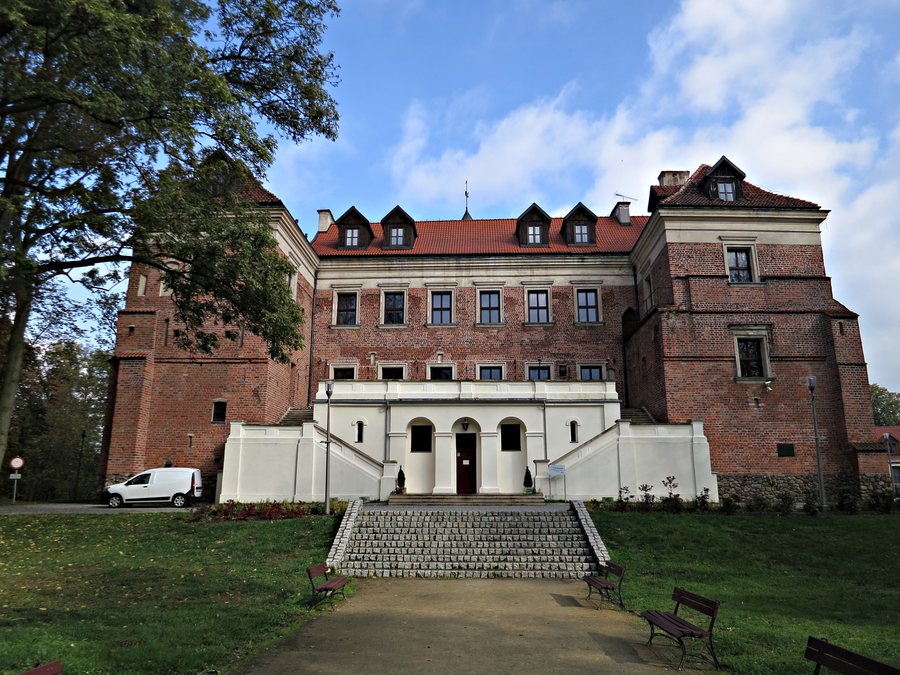
Uniejów at a glance
- The Castle of the Archbishops of Gniezno is a well-preserved summer residence dating from the 14th century.
- The Collegiate Church of the Assumption of the Blessed Virgin Mary was built in 1349; it contains a tomb of Saint Bogumił dating from 1666.
- The spa zone includes, among other things, a footpath, a combined walking and cycling path, and a kayak landing.
- The geothermal water is almost 70 °C and is extracted from a depth of 2 km.
Which historic buildings define Uniejów?
The Castle of the Archbishops of Gniezno brings together a specific historical function and a striking distinction: it is a well-preserved 14th-century summer residence of the archbishops and is considered one of Poland’s best-preserved medieval defensive structures. Anyone interested in the history of residences and fortifications will find both aspects in a single building.
The Collegiate Church of the Assumption of the Blessed Virgin Mary offers a different architectural focus. The Gothic church was built in 1349, and its chancel retains a 14th-century rib vault. The tomb of Saint Bogumił, commissioned in 1666, is also located in the church. Made of black marble, it depicts the saint as a half-reclining bronze figure in episcopal vestments. The church therefore offers a glimpse both of Gothic architectural features and of a later commissioned tomb.
What adds to the picture of the castle?
An English landscape park surrounds the castle. It was created between 1860 and 1870 at the initiative of the owners at the time, the Toll family. This adds a much later chapter of the town’s history to the castle’s medieval building history. The two dates help distinguish between different historical periods.
What experiences are available beyond the cultural heritage?
SOWA in Uniejów offers exploration stations for independent discovery and experimentation. A post dated August 7, 2026, mentions 26 stations, all developed by the Copernicus Science Centre. The number may change. For travelers interested in hands-on exploration, this is a different area of interest from the castle and church architecture.
Geothermal water is another distinctive feature of the town: it is almost 70 °C and is extracted from a depth of 2 km. It offers a separate point of interest alongside the historic buildings.
Which trails and leisure areas can you compare?
The spa zone’s existing facilities include a therapeutic footpath, a combined walking and cycling path, and a kayak landing. The “Bulwary Nadwarciańskie” promenade connects leisure facilities in the spa zone; floating piers have been added near the beach and castle. The historic “Uniejowskie korzenie” city trail passes the most significant historic buildings in Uniejów.
“Uniejowskie korzenie” passes historic buildings, while the Bulwary Nadwarciańskie connects leisure facilities in the spa zone. The combined walking and cycling path and the kayak landing cater to other types of leisure activities. Check the current local access conditions for the listed spa zone facilities before your visit.
If you’d like to discover more destinations: Felicjanów, Stary Gostków, Dzierżawy, Przywidz, Bąki, Antonina and Popów.
FAQ
Which historic buildings in Uniejów are described?
The Castle of the Archbishops of Gniezno and the Gothic Collegiate Church of the Assumption of the Blessed Virgin Mary. The church also contains the tomb of Saint Bogumił.
Which trails are there in the spa zone?
They include a therapeutic footpath, a combined walking and cycling path, and the “Bulwary Nadwarciańskie” promenade. Check the access conditions mentioned before your visit.
What does SOWA in Uniejów offer?
It has exploration stations for independent discovery and experimentation. A post dated August 7, 2026, mentions 26 stations; the number may change.
For the broader travel overview: Poddębice.

