
Bad Warmbrunn: Spa Park, Museum and Cultural History
Accommodation in Bad Warmbrunn
Explore Bad Warmbrunn through its cultural sites from several perspectives: the history of the spa dates back to a mention in 1281, the spa park tells the story of a pavilion’s transformation, and the Natural History Museum combines nature topics with historic frescoes. These highlights can help you plan your stay around your own interests.
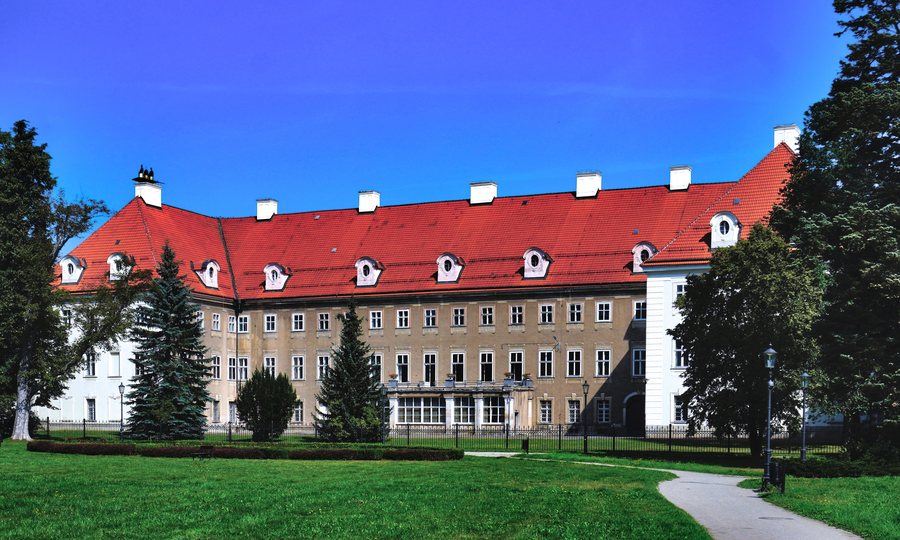
Bad Warmbrunn at a glance
- The first historical mention of the establishment of the Cieplice spa dates from 1281.
- The Edward Pavilion was built in 1820 as a confectionery shop and later expanded into the main spa house.
- The Natural History Museum in Jelenia Góra-Cieplice features permanent and temporary exhibitions.
- Norweski Park includes a pond with a stone bridge and the Norwegian Pavilion.
What historical traces shape the town?
The first historical mention of the establishment of the Cieplice spa dates from 1281. At that time, Duke Bernard of Lwówek transferred “Calidus fons” — “hot spring” — and the surrounding lands to the Order of St John of Strzegom. The name refers to the spring; the transfer links it to the spa’s early history.
A different period in history can be seen in the Edward Pavilion on the main path through the spa park. It was built in 1820 as a confectionery shop and later expanded into the main spa house. Its change from a confectionery shop to the main spa house makes the pavilion a tangible example of how a building’s use changed over time. By contrast, 1281 marks the first historical mention of the establishment of the spa, not the date of a building. The two dates therefore shed light on different aspects: the spa’s early origins and the later history of a building in the spa park.
What can you see at the Natural History Museum?
The Natural History Museum in Jelenia Góra-Cieplice offers permanent and temporary exhibitions. These include animals from around the world shown in their natural surroundings, as well as frescoes discovered during a renovation. The frescoes date from the second half of the 17th century and depict the life of Saint Bernard of Clairvaux. The exhibitions thus combine nature topics with a historical pictorial program.
The exhibitions “Tajemniczy świat grzybów” (“The Mysterious World of Mushrooms”) and “Niesamowity świat owadów” (“The Amazing World of Insects”) each focus on a nature topic. “Skarbiec Śląska,” by contrast, is an exhibition in the style of a cabinet of curiosities from 100 years ago. Exhibition descriptions may change; check which topics are currently on display before your visit.
What makes Norweski Park distinctive?
Norweski Park offers a different perspective from the exhibitions: it includes a pond with a stone bridge and the Norwegian Pavilion. A stone obelisk in the park commemorates the meeting of Polish poets Wincenty Pol and Kornel Ujejski with Czech naturalist Professor Jan Ewangelista Purkyne. Park features and a specific cultural and scientific commemoration thus sit side by side.
The highlights are easy to distinguish when planning your visit: in the spa park, the Edward Pavilion tells the story of a building’s transformation; the Natural History Museum brings together nature topics and historic frescoes; and Norweski Park combines landscape features with a memorial site. This can help you decide whether to focus your stay more on architectural history, exhibitions or the history of the parks.
FAQ
When was the establishment of the Cieplice spa first mentioned in historical records?
The first historical mention dates from 1281. At that time, Duke Bernard of Lwówek transferred “Calidus fons” and the surrounding lands to the Order of St John of Strzegom.
What can you see at the Natural History Museum?
The exhibitions include animals from around the world, frescoes from the second half of the 17th century, and exhibitions about mushrooms and insects, as well as one in the style of a cabinet of curiosities.
What does the obelisk in Norweski Park commemorate?
It commemorates the meeting of Polish poets Wincenty Pol and Kornel Ujejski with Czech naturalist Professor Jan Ewangelista Purkyne.
For the broader travel overview: Jelenia Góra.

