
Discover Rębiszów: Nature, Trails and Culture
Accommodation in Rębiszów
Rębiszów brings together the landscapes of the Jizera Mountain foothills with nature and cultural themes that can be explored in many different ways.
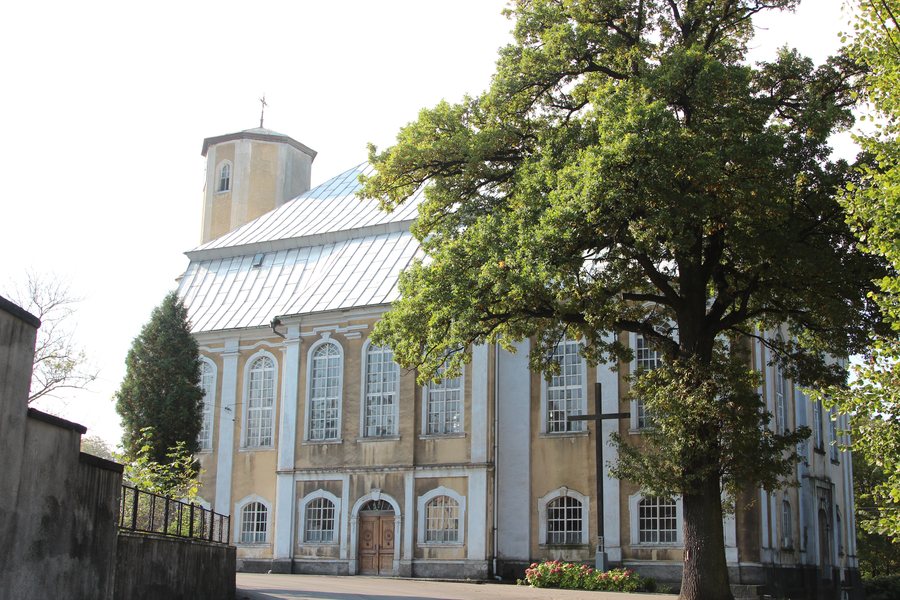 File:Saint Barbara church in Rebiszow 2014 P01.JPG
Photo: Pnapora via Wikimedia Commons, CC BY-SA 4.0
File:Saint Barbara church in Rebiszow 2014 P01.JPG
Photo: Pnapora via Wikimedia Commons, CC BY-SA 4.0
Rębiszów at a glance
The village lies in one of the most picturesque parts of the Jizera Mountain foothills. Forests cover more than 40 percent of its area. Notable landmarks include the Cesarska Lipa, St Anthony’s Church and the Moloch basalt loading facility. The 17-kilometre blue trail from Rębiszów to Pobiedna is another concrete reference point for planning your trip.
What nature experiences define the village?
The Cesarska Lipa is a broad-crowned linden tree several hundred years old and is considered a symbol of Rębiszów. It is a destination for walks. In summer, it provides a naturally shaded place to rest; in autumn, its colourful foliage catches the eye. So if you are still deciding when to travel, you can weigh up the shade of summer against the autumn colours of the leaves.
The forests around Rębiszów are suited to walking, mushroom picking, birdwatching and cycling. This gives you several interests to choose from without having to limit your plans to a single activity. For a longer hike, the 17-kilometre blue trail from Rębiszów to Pobiedna offers another reference point. It is described as a new hiking trail. Walks in the forests and this longer route are therefore different ways to include the landscape in your travel plans.
The flooded former quarries are also destinations for local excursions. The Stawy Rębiszowskie, in turn, are an important part of the local ecosystem. If you are interested in nature, you can consider these different aspects of the village separately: excursion destinations, forest activities and the importance of the pond area.
What cultural and historical themes can you explore?
St Anthony’s Church in Rębiszów dates from the 16th century and features Late Gothic and Renaissance elements. The Millennium Cross beside the Cesarska Lipa commemorates the celebrations for the year 2000 jubilee. The village description thus brings together a historic building and a place of remembrance, each with its own story.
Another perspective on history leads to the Moloch, a basalt loading facility with stark, industrial architecture. It is considered an important testament to the region’s mining and transport history. If you are more interested in architecture and industrial history than in church architecture, this site offers a distinct focus. The church and the Moloch can therefore be viewed as two different themes to consider when choosing what to see on your trip.
How should you approach finding accommodation in Rębiszów?
Base your choice on which of the themes mentioned matter for your stay: forest activities, the longer hike, nature spots, or cultural and industrial history. These facts describe the character of the destination; which accommodation suits your plans depends on your own priorities. If you are comparing several interests, it may help to rank them before searching for a hotel in Rębiszów.
Discover more destinations: Lwówek Śląski, Mlądz, Gierczyn, Chmieleń, Golejów, Tarczyn, Pasiecznik, Mirsk.
FAQ
What makes the Cesarska Lipa distinctive?
The broad-crowned linden tree, which is several hundred years old, is considered a symbol of Rębiszów and is a destination for walks. In summer, it provides natural shade at a place to rest; in autumn, its colourful foliage catches the eye.
How long is the blue trail from Rębiszów to Pobiedna?
The trail is 17 kilometres long and is described as a new hiking trail.
What cultural sites and historical themes can you find in Rębiszów?
St Anthony’s Church dates from the 16th century and combines Late Gothic and Renaissance elements. The Millennium Cross commemorates the year 2000 jubilee; the Moloch represents the region’s mining and transport history.
For the broader travel overview: Lwówek Śląski.

