
Kraśnik: Culture, Landscape and Routes
Accommodation in Kraśnik
Kraśnik combines regional history with routes through a varied landscape. To help you plan your trip, you can choose from museum visits, historic sites, and routes of varying lengths on foot or by bike.
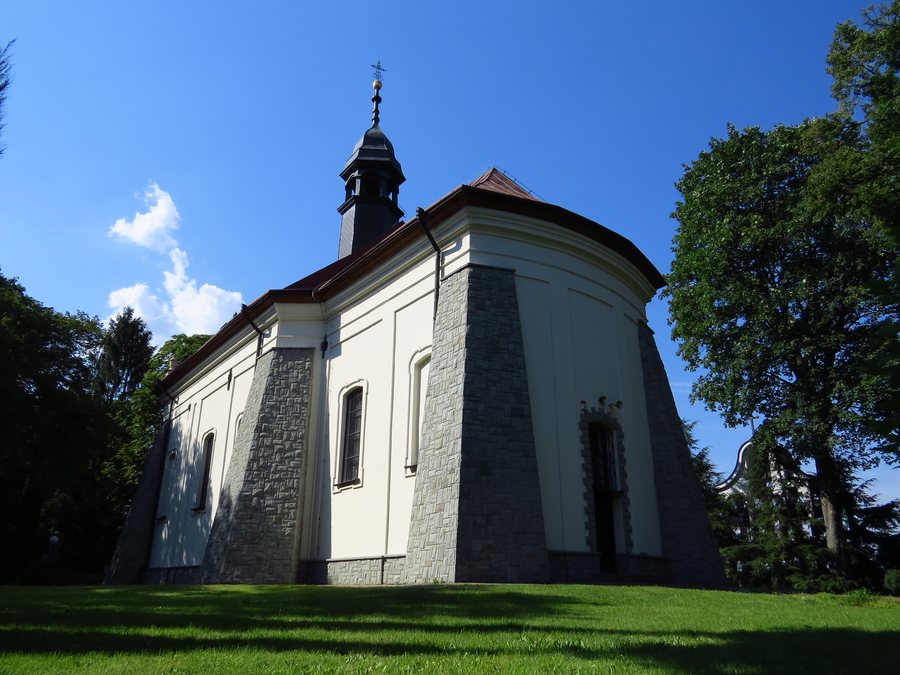 Kraśnik Hospital Church of the Holy Spirit
Photo: Maciej Piątek via Wikimedia Commons, CC BY-SA 3.0 pl
Kraśnik Hospital Church of the Holy Spirit
Photo: Maciej Piątek via Wikimedia Commons, CC BY-SA 3.0 pl
Kraśnik at a glance
The Wyżnica lowland is the dominant landscape feature, with marked differences in relative elevation between the plateau and the river valley. The western part of the Roztocze begins in Kraśnik. Cultural attractions include the Regional Museum, historic religious buildings, and institutions devoted to the region’s history. For active exploration, there is, among other options, a cycling loop of about 25 km and a hiking trail of about 20 km.
What insights does Kraśnik’s history offer?
The Regional Museum brings together several subject areas: its regional history, historical, ethnographic, and archaeological collections complement the permanent exhibitions. These focus on the 24th Uhlan Regiment and its history and traditions, the Battles of Kraśnik in 1914–1915, and historic Kraśnik. This allows you to include both the region’s past and a specific chapter of military history in your cultural trip.
The religious buildings also reflect different historical periods. The three-aisled Church of the Assumption of Mary dates from the 15th century. The surviving synagogue has been restored; according to the city, it is among Kraśnik’s most valuable historic buildings. The New Jewish Cemetery was established in the mid-19th century and is a stop on the Chassidic Route.
The Izba Pamięci at the Center for Culture and Promotion offers further insights, with objects from the region’s past on display. The Lubelska Izba Tradycji Pożarniczych has more than 720 exhibits, including equipment from before the First World War. Kraśnik was also part of the route for the 16th edition of the International “Śladami Singera” Festival; the artists were expected to arrive in the city on July 7.
Which routes suit your trip?
The cycling loop, about 25 km long, runs from Kraśnik through Dąbrowa-Bór, Popkowice, Kolonia Ostrów, and Pułankowice, then back to Kraśnik. A cycling route starts at Kraśnik railway station. For hiking, there is a trail of about 20 km that starts and ends in the Factory District. The different route lengths and starting points help you fit your planned activity into your trip without combining all the routes into a single tour.
The Lubelska Way of St. James also passes through Kraśnik. The section in the Lubelskie Voivodeship is 135 km long. If you are interested in this route, note that this figure is the length of the section within the voivodeship; it does not refer only to the route within the city.
What does Zalew Kraśnicki offer?
Zalew Kraśnicki has a bathing area with a beach for relaxation and sports. It is also possible to moor watercraft and other water sports equipment there. This means the body of water adds a distinct waterside option to the cultural attractions and routes. The descriptions of these experiences cover different interests, not a single combined route.
For a separate look at the city, you can also visit the entry for Krasnik. If you would like to compare more destinations, you can also find Janowski, Powiat Opolski, Włodawa, Lublin, Hrubieszów, Puławski, and Chełmski here.
FAQ
How long is the cycling loop through the surrounding towns?
The cycling loop is about 25 km long. It runs through Dąbrowa-Bór, Popkowice, Kolonia Ostrów, and Pułankowice, then back to Kraśnik.
Where does the hiking trail start and end?
The hiking trail, about 20 km long, starts and ends in Kraśnik’s Factory District.
What does the Regional Museum display?
The permanent exhibitions cover the 24th Uhlan Regiment and its history and traditions, the Battles of Kraśnik in 1914–1915, and historic Kraśnik. The collections also include regional history, historical, ethnographic, and archaeological subjects.
For the broader travel overview: Lublin.

.JPG)