
Discover Łęczna: Podzamcze Park and the city’s history
Accommodation in Łęczna
Łęczna combines a layered urban history with the Podzamcze park and manor complex. If you are looking for accommodation, you can first consider whether you are mainly interested in discovering historic sites or spending time in the landscaped park. The facts below give you a concrete overview.
Łęczna at a glance
The city’s origins date back to 1467. When Łęczna was granted town rights, it also received the right to hold fairs. Podzamcze combines elements of an Italian garden from the 18th century with a 19th-century landscape park.
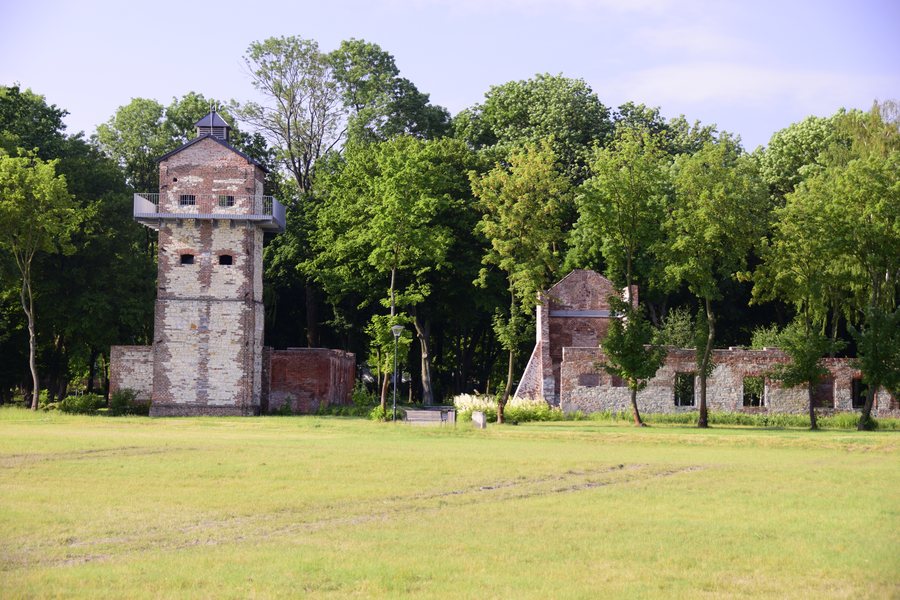
There is an outdoor fitness area in the eastern part of the park. Paved paths and squares provide access to the former manor grounds. The complex also includes an observation tower with a terrace ten metres above ground, housed in a building that was once used to dry hops.
What does Podzamcze Park offer?
Podzamcze is shaped by a blend of different garden traditions: elements of an 18th-century Italian garden were followed by its development as a landscape park in the 19th century. The complex is situated on a hill where the Świnka flows into the Wieprz. This location and its different phases of design give the park a character distinct from the historic buildings in the town.
The grounds also offer different reasons to visit. The outdoor fitness area is in the eastern part of the park, while paths and squares provide access to the former manor grounds. The observation tower adds a view from a terrace ten metres above ground. It is housed in a building formerly used to dry hops. You can organise these details around your interest in park design, exercise or views, while keeping the history of the complex in mind.
What historical traces can you find in Łęczna?
The town hall stands on Plac Kościuszki in the northeastern part of Rynek I. It was originally built as a guardhouse in the late 19th century. The Great Synagogue (Synagoga Duża) was largely destroyed during the war and in the post-war period, and was rebuilt between 1953 and 1964; its interior is currently not open to visitors.
The architectural history of the 19th century also includes former inns at ul. 3 Maja 26 and 37, and pl. Kanałowy 18 and 26. They are remnants of the period when fairs contributed to Łęczna’s prosperity. Together with the town hall and the Great Synagogue, these places illustrate different aspects of the past: civic functions, religious heritage and the economic importance of the fairs. The city’s early origins and the granting of the right to hold fairs add further context to Łęczna’s development.
The international Festival of Street and Courtyard Bands (Festiwal Kapel Ulicznych i Podwórkowych) is an annual cultural event. It takes place every year on the last weekend of July. If you are planning your trip around a particular festival date, check the details for that year’s edition in advance.
How do you choose suitable accommodation in Łęczna?
Base your search on the topics that matter most to you: Podzamcze combines park history and landscaped grounds, while the town hall, Great Synagogue and former inns relate to different chapters of the city’s history. When considering an offer, check which places you want to visit and where the accommodation is actually located, rather than inferring a particular hotel location from the sights.
Discover more destinations: Krzczeń, Zaróbka, Cyców, Nadrybie-Wieś, Rozpłucie, Stara Wieś, Czarny Las, Spiczyn.
FAQ
Which periods have shaped Podzamcze Park?
The complex combines elements of an 18th-century Italian garden with a 19th-century landscape park.
When does the Festival of Street and Courtyard Bands take place?
The international festival takes place in Łęczna every year on the last weekend of July. Check the details for the relevant edition before your trip.
When was the Great Synagogue rebuilt?
The Great Synagogue was largely destroyed during the war and in the post-war period, and was rebuilt between 1953 and 1964. Its interior is currently not open to visitors.
For the main travel overview: Łęczna.

