
Discover Lubartów
Accommodation in Lubartów
Lubartów combines church and palace history with regional collections and cycling routes. This lets you choose between cultural highlights and getting active in the city or nearby during your trip.
Quick facts about Lubartów
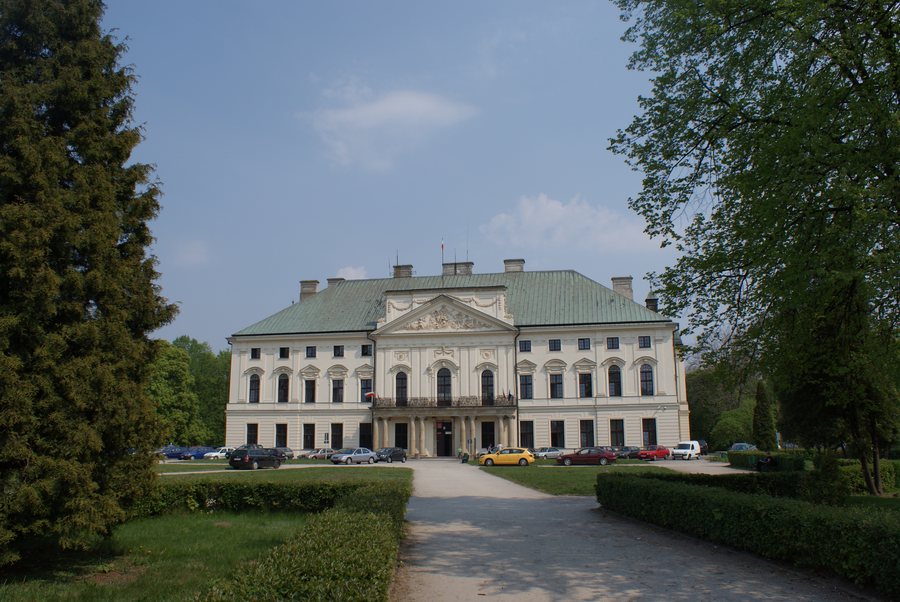
Notable highlights include the Basilica of St. Anne, the Capuchin monastery complex with the Church of St. Lawrence, and the Sanguszko Palace. The Lubartów Land Museum focuses on the history and culture of the region. Historic buildings have also been preserved around the Market Square and along Kościuszki Street. Lubartów has more than 11 km of cycling routes; nearby, tours are offered on routes totaling 136 km.
What architectural history can you discover in Lubartów?
The Basilica of St. Anne was built between 1733 and 1738 to a design by Paweł Antoni Fontana. You will also encounter the architect’s name in connection with two other buildings in the city: the Capuchin monastery complex includes the Church of St. Lawrence, which he designed, and the Sanguszko Palace was converted into a Baroque palace to a design by Fontana. These are two churches and one Baroque palace.
The city’s history is also reflected in its preserved buildings. Some of the historic buildings around the Market Square, dating from the 16th to the 19th century, have been preserved. Kościuszki Street is home to two brick manor houses from the first half of the 19th century. The two manor houses therefore date from a much narrower period than the preserved buildings around the Market Square.
What does the museum offer on regional history?
The Lubartów Land Museum has more than 2,500 exhibits on the history and culture of the region. Its collections range from ethnography and history to numismatics and archaeology. These offer a variety of perspectives: numismatics deals with coins and the history of money, while ethnography looks at cultural ways of life. If you are interested in the region beyond its individual buildings, you will find a broad range of topics here. The collection areas listed also give you an idea of which aspects of regional history are represented at the museum.
What cycling options are there in the city and nearby?
Lubartów has more than 11 km of cycling routes, allowing you to travel from one end of the city to the other. This gives you a practical option for planning your trip: you can consider the cycling routes as a separate activity alongside the historic buildings and museum. This does not specify the length of any individual ride or a particular journey time.
In the area near the destination, cycling tours are offered in Kozłowiecki Landscape Park on routes totaling 136 km. The city’s cycling routes and these park routes are separate figures: the 136 km refers to the cycling tours offered there, not to Lubartów’s cycling routes. When planning your trip, you can therefore distinguish between cycling routes within the city and cycling tours in the nearby area.
What cultural event is associated with an annual date?
A chess tournament for the Puchar Lubartowskich Przedsiębiorców has been held annually in Lubartów since 2001. It is also dedicated to the memory of Ryszard Czermiński. The tournament adds a recurring cultural event with a clear connection to chess to the architectural and collection-related highlights.
To compare other destinations, you can also explore Rokitno, Kock, Wincentów and Firlej.
FAQ
When was the Basilica of St. Anne built?
It was built between 1733 and 1738 to a design by Paweł Antoni Fontana.
What topics does the Lubartów Land Museum cover?
More than 2,500 exhibits cover the history and culture of the region, including ethnography, history, numismatics, and archaeology.
What cycling routes are mentioned for Lubartów and the surrounding area?
Lubartów has more than 11 km of cycling routes, allowing you to travel from one end of the city to the other. Nearby, cycling tours are offered in Kozłowiecki Landscape Park on routes totaling 136 km.
For the broader travel overview: Lubartów.

