
Niedrzwica Duża: Cycling Route and Historic Traces
Accommodation in Niedrzwica Duża
Niedrzwica Duża combines a connection to cycling with historic traces: the GREENWAYS cycling route passes through the town, while the remains of a manor house and park, along with the railway station building, bring different eras into view. When planning your trip, it is worth distinguishing between these themes. The route is a point of interest for cycling enthusiasts; the architectural remains offer a cultural and historical perspective. Regional cuisine is also part of the picture: paszteciki filled with cabbage and mushrooms are a tradition of the Niedrzwicka Land.
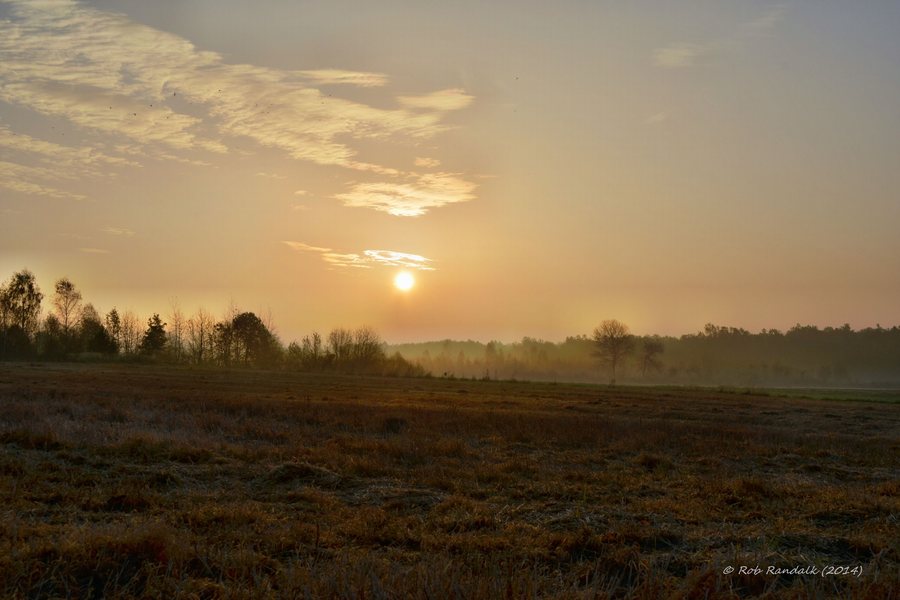 File:Niedrzwica Duża - panoramio (21).jpg
Photo: Rob Randalk Jurek via Wikimedia Commons, CC BY-SA 3.0
Niedrzwica Duża at a glance
- The GREENWAYS cycling route passes through Niedrzwica Duża.
- The remains of the Dłuski manor house and park complex date from the period spanning the second half of the 18th century to the first half of the 19th century; the complex also includes manor ponds.
- The railway station building dates from the interwar period.
What connection does the town have to cycling trips?
The GREENWAYS cycling route passes through Niedrzwica Duża. This provides a concrete connection to cycling trips when choosing a destination: the town lies along a named route. In connection with the cycling route, the ruins of the Dłuski manor house and the remains of its park are presented as the first historic site. This allows cycling and historic traces to be considered as two interests within the same travel plans. If you also compare destinations based on activities and cultural history, you can consider Niedrzwica Duża from both perspectives.
What historic traces are associated with Niedrzwica Duża?
The remains of the manor house and park, as well as the manor ponds, are all part of the historical context of the Dłuski manor house and park complex. These remains date from the period spanning the second half of the 18th century to the first half of the 19th century. The complex can therefore be understood through several different features, rather than just one building.
The railway station building offers a later historical reference point: it dates from the interwar period. In historical terms, this places it after the period given for the Dłuski complex. This allows you to distinguish between two different historic features of the town: the remains of a manor house and park complex, and a building from the interwar period.
What is part of the municipality’s culinary tradition?
Paszteciki filled with cabbage and mushrooms are part of the culinary tradition of the Niedrzwicka Land. At the level of the associated municipality, the paszteciki are linked to the bakery of Gminna Spółdzielnia. This regional connection adds another aspect to your travel plans alongside the historical themes: the culinary tradition relates to the Niedrzwicka Land and thus to a regional level, not just to individual buildings in Niedrzwica Duża.
How should you plan your hotel search?
Cycling, architectural history, and regional cuisine offer different starting points for your plans.
Discover more destinations: Wojciechów, Wólka, Bełżyce, Bronice-Kolonia, Jabłonna, Ciecierzyn, Stasin, Stary Gaj.
FAQ
Which cycling route passes through Niedrzwica Duża?
The GREENWAYS cycling route passes through Niedrzwica Duża.
Which historic traces are highlighted along the cycling route?
The ruins of the Dłuski manor house, together with the remains of its park, are presented as the first historic site. The complex also includes manor ponds.
Which specialty is part of the regional tradition?
Paszteciki filled with cabbage and mushrooms are part of the culinary tradition of the Niedrzwicka Land and are linked to the local bakery of Gminna Spółdzielnia in the associated municipality.
For the broader travel overview: Powiat Lubelski.

