
Discover Kazimierz Dolny
Accommodation in Kazimierz Dolny
Kazimierz Dolny brings together historic architecture, paths through a landscape shaped by agriculture, and a promenade along the Vistula. Its varied facets make the town equally appealing to culture and nature enthusiasts: you can explore its architectural history, follow a described route to a ravine, or discover local specialties.
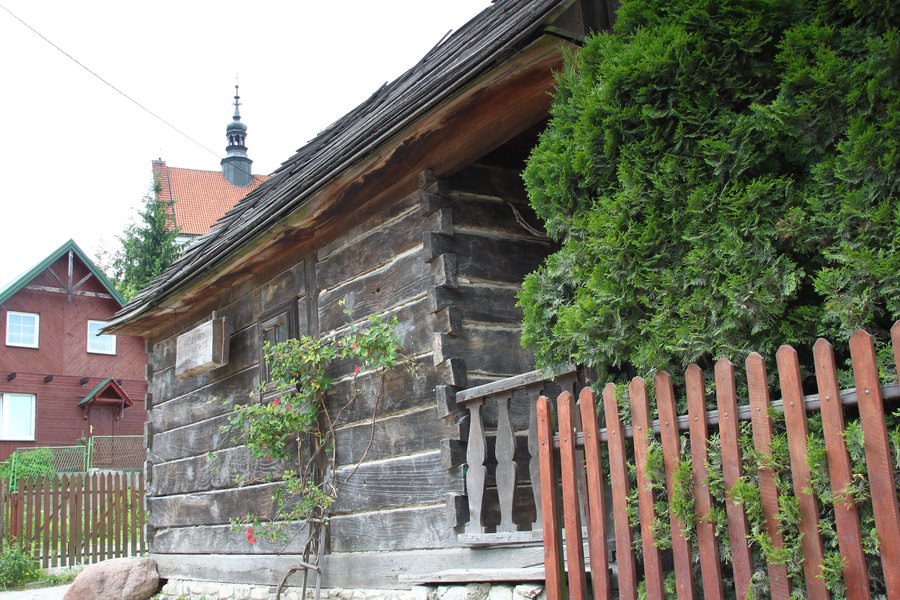 File:Kazimierz Dolny, ul. Plebanka 4.jpg
Photo: Pankrzysztoff via Wikimedia Commons, CC BY-SA 3.0 pl
Quick facts about Kazimierz Dolny
- On September 8, 1994, the town was declared a Pomnik Historii (Historic Monument).
- A wooden well dating from 1905 stands in the market square.
- A promenade runs along the Vistula riverbank; Wąwóz Korzeniowy Dół is known for its exposed tree roots.
What does the architecture tell us about Kazimierz Dolny?
The designation as a Pomnik Historii was made by order of the President of the Republic of Poland. The town’s architectural and landscape qualities were decisive. A closer look at the townhouses shows how different influences come together: their tall, distinctive attic gables reflect Renaissance and Mannerist styles, as well as Italian and Dutch influences and local folk tradition. This brings a specific architectural form together with a range of design traditions.
The granaries are also part of Kazimierz Dolny’s historic character. In the mid-17th century, there were sixty granaries; eleven have survived to this day in varying states of preservation. The figures describe both the scale of the original collection and the limited number of buildings that remain. The wooden well dating from 1905 also stands in the market square.
The Church of St. John the Baptist and St. Bartholomew houses organs dating from the 17th century. They are considered the oldest fully preserved Polish instruments of their kind. Those interested in cultural history will find another striking example of the town’s heritage here, alongside the architecture of its townhouses.
How do the routes through the landscape and town differ?
Wąwóz Korzeniowy Dół is a landform created by agricultural activity that resembles a sunken lane. Its exposed tree roots are especially striking. A PTTK sightseeing tour starts at Duży Rynek, passes through the streets of Kazimierz Dolny and follows the Grodarz Valley to the ravine. The route includes a walk of about 20 minutes there. If you are planning this tour, confirm current booking availability directly with PTTK.
Another route also starts at Duży Rynek and follows the Vistula promenade and Aleja Kazimierza Wielkiego to the “Pod Żurawiem” granary. There are therefore different routes to choose from: one tour goes as far as Wąwóz Korzeniowy Dół, while the other connects the promenade and the avenue with a granary as its destination. The riverside promenade runs along the Vistula and is also a landmark in its own right for a visit to the river.
Another ravine connects the landscape with the history of remembrance. Wąwóz Małachowskiego is named after Count Juliusz Małachowski, who was killed on April 18, 1831, during a battle with Russian troops near Kazimierz in the November Uprising. A stone plaque at the edge of the ravine commemorates him. There is also a small botanical garden by the natural history museum of Muzeum Nadwiślańskie. It is used for educational activities and offers visitors a place to relax during their stay in town.
What local cultural and food highlights are there?
Kazimierz Dolny hosts, among others, the Ogólnopolski Festiwal Kapel i Śpiewaków Ludowych, Kazimiernikejszyn, Pardes Festiwal, and Festiwal Filmu i Sztuki Dwa Brzegi. Dates and future editions may vary. If you would like to plan your trip around a festival, check the current event dates.
A local specialty is the Kazimierski kogut: a handmade yeast-and-butter pastry about 25 centimeters in diameter. The dough is braided in a special way.
Discover more destinations: Kurów, Końskowola, Sadurki, Strzyżowice, Wąwolnica, Rablów, Bochotnica and Puławy.
FAQ
How long does the walk at Wąwóz Korzeniowy Dół take?
The walk in the ravine takes about 20 minutes. It is part of the PTTK sightseeing tour, which starts at Duży Rynek and goes through the streets and along the Grodarz Valley.
How large is a Kazimierski kogut?
The handmade yeast-and-butter pastry is approximately 25 centimeters in diameter. The dough is braided in a special way.
What should you know about festival dates?
The dates and future editions of the festivals mentioned may vary. If a festival is important to your travel plans, check the current event dates in advance.
For the broader travel overview: Puławski.

